





Moving Beyond the Numbers Game
Calorie counting has long been the default strategy for weight management. The 'calories in, calories out' model is simple, but it's also incredibly limited. It treats all calories as equal, suggesting that 100 calories from a soft drink are the same
as 100 calories from a bowl of dal. This overlooks the vast differences in how our bodies process nutrients. A focus solely on numbers can lead to a diet that is low in calories but also low in essential vitamins, minerals, and, most importantly, fibre. This new perspective doesn't ask you to ignore energy balance, but rather to prioritise the quality of your food, which naturally helps manage quantity.
What Exactly Is Fibre?
Dietary fibre is a type of carbohydrate that our bodies cannot digest. Instead of being broken down for energy, it passes through our system largely intact, performing a host of crucial jobs along the way. There are two main types, and most plant-based foods contain a mix of both. Soluble fibre dissolves in water to form a gel-like substance. Think of the texture of oats after you cook them. This type of fibre helps slow down digestion, which keeps you feeling full and helps control blood sugar spikes. Insoluble fibre does not dissolve in water. It acts like a scrub brush for your digestive system, adding bulk to stool and helping to keep you regular. It's found in things like whole-wheat flour, nuts, and vegetables like cauliflower and green beans.
The Powerful Benefits of a Fibre-Rich Diet
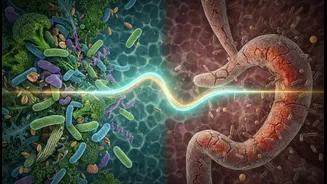
Focusing on fibre is about more than just digestive health. A high-fibre diet is linked to a wide array of significant health benefits. It can help lower LDL ('bad') cholesterol levels, reducing the risk of heart disease. By slowing the absorption of sugar, it plays a vital role in managing and preventing type 2 diabetes. And yes, it’s a powerful tool for achieving and maintaining a healthy weight. High-fibre foods are more filling, which helps you feel satisfied with fewer calories, reducing overall intake without feeling deprived. Furthermore, fibre is essential food for the trillions of good bacteria in your gut, collectively known as the gut microbiome. A healthy microbiome is linked to everything from a stronger immune system to better mental health.
What's Your Daily Target?
So, how much fibre should you aim for? According to recommendations from the Indian Council of Medical Research (ICMR), adults should aim for about 25 to 40 grams of fibre per day, depending on age and lifestyle. Unfortunately, many urban diets fall significantly short of this goal. The key is to increase your intake gradually. A sudden jump can lead to bloating and discomfort, so add more fibre-rich foods to your diet over several weeks and be sure to drink plenty of water, which helps the fibre do its job effectively.
Boosting Your Fibre, Indian Style
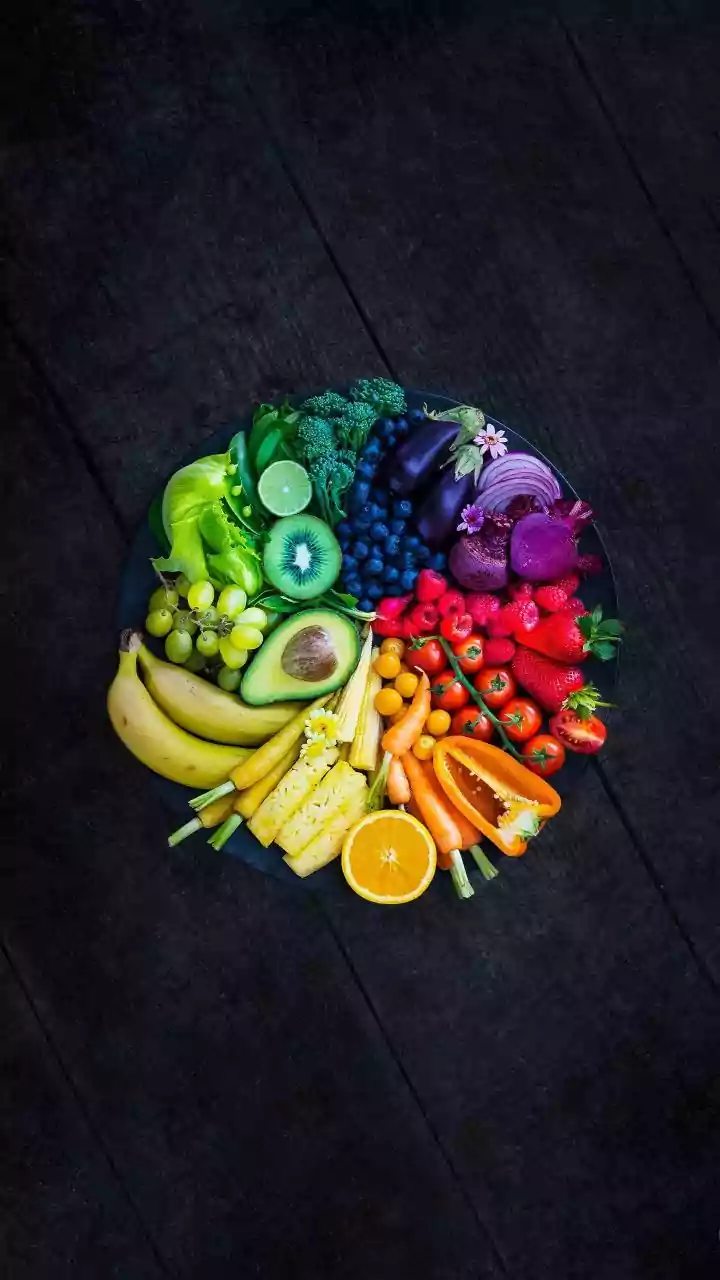
The good news is that a traditional Indian diet is naturally rich in fibre. You don’t need to look for exotic or expensive ingredients. Simple swaps and additions can make a huge difference. Start by choosing whole grains like whole wheat atta, brown rice, and millets like jowar, bajra, and ragi. Make pulses a daily habit—dals, chana, and rajma are fantastic sources of both fibre and protein. Load up on vegetables at every meal; spinach, okra, beans, and sweet potatoes are all excellent choices. Opt for whole fruits like guavas, apples, and papayas instead of fruit juice, which strips away the beneficial fibre. For snacks, swap packaged biscuits for a handful of roasted chana or almonds.