





The Rise of 'Hush-pitality'
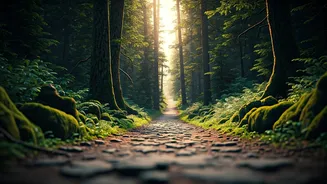
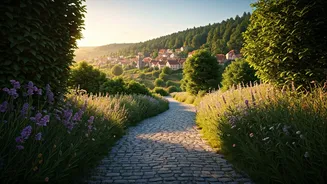
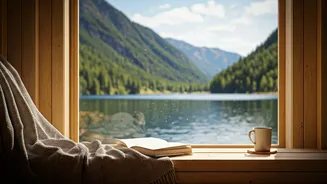
A new trend is reshaping how we view vacations. It’s a move away from the frantic, checklist-driven tour and towards something deeper and more personal. Described as “hush-pitality,” it’s about choosing quiet surroundings, fewer crowds, and an unhurried
schedule. This philosophy, often called 'slow travel', is now India's fastest-growing travel format. It’s a direct response to a world of social media pressure and the fear of missing out, which often leaves us exhausted. Studies show Indian travellers are actively seeking relaxation and are willing to visit lesser-known destinations to find it. One report found that 81% of Indian travellers were open to exploring new places that weren't already all over their social media feeds. It's a shift from 'seeing it all' to 'savouring one thing'.
More Than Just a Slower Itinerary
So, what does it mean to travel at your own pace? It’s not just about adding more days to your trip; it’s about changing your mindset. Slow travel is about connection—with the local culture, the environment, and yourself. It means ditching the packed to-do list and allowing for spontaneity. Instead of rushing between five cities in a week, you might choose one region and explore it deeply, staying in a single homestay or villa. This approach allows you to move beyond being a tourist and to temporarily feel like a local. You start to notice the small details you'd otherwise miss when you're simply trying to get from one photo opportunity to the next.
Benefits for Your Well-being
The advantages of this approach are profound. By slowing down, you reduce the stress and anxiety associated with tight schedules and constant movement, which can help lower cortisol levels. This mindful approach enhances your experience, allowing you to fully immerse your senses and create more vivid, lasting memories. It also fosters personal growth; navigating a place without a rigid plan builds confidence and resilience. Many travellers find that this style of travel leads to more authentic interactions and a deeper appreciation for the destination. With 70% of Indian Gen Z and millennials reporting workplace burnout, a restorative, slow-paced vacation is more necessary than ever.
How to Plan Your Slow Escape
Embracing slow travel starts with planning—or rather, un-planning. First, choose depth over distance. Pick one central location as your base instead of hopping between multiple hotels. Consider a quiet homestay in the Tirthan Valley, a heritage villa in Fort Kochi, or a tea estate bungalow in Assam. Next, build empty space into your schedule. These are not 'wasted' days; they are opportunities for spontaneous discoveries, whether it's a long lunch at a local cafe or an unplanned hike. Prioritise experiences that resonate with you, not just the famous 'must-see' attractions. Finally, disconnect from your devices as much as possible. Minimising screen time allows you to be more present and connect genuinely with your surroundings.
Where to Go to Slow Down
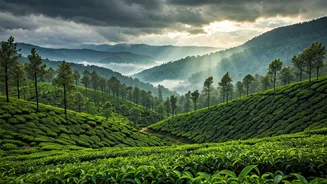
India offers a wealth of destinations perfect for a slower pace. The backwaters of Alleppey in Kerala invite leisurely houseboat journeys. In the Himalayas, valleys like Spiti and Thachi offer silence and breathtaking landscapes, perfect for trekking and quiet contemplation. The French Quarter of Pondicherry or the less-crowded lanes of 'Slow Goa' in villages like Aldona and Siolim encourage wandering without a goal. For a unique experience, consider the tranquil tea country of Jorhat in Assam, a region that has seen a massive surge in interest from travellers looking to escape the crowds. The key is to find a place that encourages you to settle in, breathe, and simply be.