





What Exactly Is Skin Cycling?
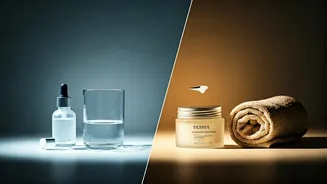
Skin cycling is a skincare philosophy that’s about working smarter, not harder. Popularised by New York dermatologist Dr. Whitney Bowe, it's a deliberate, rotational evening routine that alternates between using active ingredients and allowing the skin time
to rest and recover. Instead of layering multiple potent products every single night, which can compromise the skin's protective barrier, you follow a structured cycle. The most common approach is a four-night cycle: one night for exfoliation, one for a retinoid, and two for recovery. This methodical approach helps to minimise irritation, redness, and sensitivity, making it easier to tolerate effective ingredients while supporting long-term skin health.
The 'Why' Behind the Cycle
The core principle of skin cycling is to prevent damage to the skin barrier—the outermost layer that protects you from environmental stressors and locks in moisture. When this barrier is compromised by the overuse of strong ingredients like chemical exfoliants (AHAs/BHAs) and retinoids, it can lead to inflammation, dryness, and breakouts. Skin cycling provides a structured way to get the significant benefits of these powerhouse ingredients—such as accelerated cell turnover, improved texture, and collagen stimulation—without the common side effects. By building in dedicated recovery nights, you give your skin the time and resources it needs to repair and strengthen itself, making the active nights more effective and less irritating.
A Classic Four-Night Cycle
Getting started is simple and follows a repeatable four-night schedule. Always begin with a gentle cleanse each evening. Night 1: Exfoliation. After cleansing, apply a chemical exfoliant. Products with alpha-hydroxy acids (AHAs) like glycolic or lactic acid, or beta-hydroxy acids (BHAs) like salicylic acid, work well. These help to remove dead skin cells, which brightens the complexion and allows for better product absorption on the following nights. Night 2: Retinoid. On this night, apply a retinoid. This can be an over-the-counter retinol or a prescription-strength product. Retinoids are the gold standard for targeting signs of ageing and acne, but they can be irritating, which is why they get their own dedicated night. Nights 3 & 4: Recovery. These nights are all about hydration and repair. Skip the actives and focus on nourishing your skin. Use products with ingredients like hyaluronic acid, ceramides, glycerin, and peptides to help replenish moisture and support the skin barrier.
Customising Your Personal Cycle
The four-night cycle is a flexible framework, not a rigid rule. It’s crucial to listen to your skin and adjust accordingly. If you have very sensitive skin or conditions like rosacea, you might extend your recovery period to three nights, creating a five-night cycle. Beginners can also use this gentler approach to ease their skin into using actives. Conversely, if your skin is more resilient or you're an experienced user of actives, you might eventually progress to an 'advanced' cycle by dropping a recovery night for a three-night routine. You can also customise by product choice—for example, using a milder exfoliant like mandelic acid or starting with a low-concentration retinol.
Common Mistakes and How to Avoid Them
While skin cycling is straightforward, a few pitfalls can derail your progress. The biggest mistake is not properly resting on recovery nights. Avoid using any hidden exfoliants, like a toner with acids or a harsh physical scrub, as this defeats the purpose of the rest period. Another key is sunscreen. Active ingredients like exfoliants and retinoids increase your skin's sensitivity to the sun, making a broad-spectrum SPF 30 or higher a non-negotiable part of your morning routine every single day. Finally, if you have very sensitive skin, consider the 'sandwich method' on retinoid night: apply a thin layer of moisturiser before and after your retinoid to buffer its intensity and minimise irritation.