




The Era of Appointment Viewing
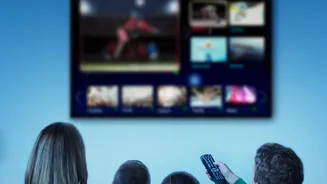
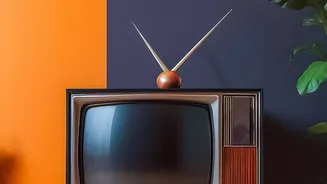
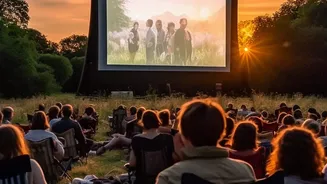
The late 1990s and early 2000s were dominated by a singular television phenomenon: the 'saas-bahu' saga. Shows like 'Kyunki Saas Bhi Kabhi Bahu Thi' weren't just programs; they were household events. Families would gather around a single television set,
dinner times were adjusted, and social plans were cancelled to keep up with the fates of beloved characters. The content was designed for this collective viewing experience, focusing on joint-family dynamics, dramatic plot twists, and traditional values that resonated with a broad, multi-generational audience. This was the golden age of 'appointment viewing', where broadcasters dictated the schedule and the nation watched in unison. The stories, often stretching for hundreds of episodes, relied on melodrama, cliffhangers, and archetypal characters—the virtuous daughter-in-law versus the scheming mother-in-law—to keep viewers hooked.
The Twin Revolutions: Smartphones and Data
The ground began to shift with two major technological changes: the widespread availability of affordable smartphones and the dramatic drop in mobile data costs. Suddenly, the single screen in the living room was no longer the only gateway to entertainment. Individuals could now carry a personal screen in their pockets. This technological empowerment fundamentally broke the tradition of collective viewing. Entertainment became a solitary and personalized experience. Teenagers could watch content their parents might not approve of, while young adults could explore genres that didn't fit the family-friendly mould of prime-time television. This shift from a shared screen to personal devices created the perfect audience for a new kind of content.
Creative Freedom and Bolder Storytelling
Over-the-Top (OTT) platforms like Netflix, Amazon Prime Video, and homegrown services like Disney+ Hotstar and ZEE5 saw this new, individual audience and offered something broadcast television couldn't: creative freedom. Unbound by the strictures of television censorship and the need to appeal to the broadest possible demographic, creators of web originals began to explore new territory. They tackled complex social issues, explored darker themes, and presented characters with moral ambiguity. Unlike the endless, meandering plots of daily soaps, web series adopted a seasonal format with a defined number of episodes, allowing for tighter scripts and higher production values akin to cinema. This format attracted a new wave of writers, directors, and actors eager to tell more nuanced and realistic stories.
From a Single Mold to a Thousand Niches
Traditional television channels operated on a 'General Entertainment' model, aiming to create content that was acceptable and engaging for everyone in the family. Streaming services, powered by sophisticated algorithms, did the opposite. They didn't need one show to please everyone; they needed a diverse library of shows to please someone, somewhere. This data-driven approach allowed platforms to cater to niche interests, from gritty crime thrillers and realistic dramas to edgy comedies. Audiences were no longer passive consumers; they were active users whose viewing habits directly influenced the content being produced. This created a feedback loop where demand for diverse, high-quality stories was met with an increasing supply of Indian web originals, pushing creative boundaries further.