






The Paradise Paradox
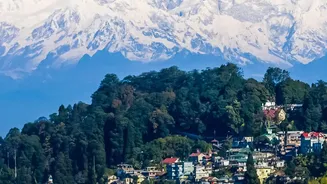
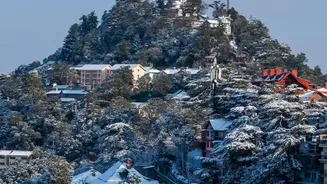
For decades, names like Shimla, Manali, Mussoorie, and Ooty have been synonymous with summer relief and scenic beauty. Today, they are increasingly becoming symbols of 'overtourism'. Originally built for much smaller populations—Shimla was designed for just
25,000 people—these towns now grapple with millions of visitors annually. During peak season, the experience is often defined by bumper-to-bumper traffic on narrow mountain roads, fully booked hotels, overflowing waste bins, and severe strain on local resources like water. Studies show that many popular hill stations now face acute water shortages and ration supplies for locals, even as tourist demand soars. The very tranquility that travellers seek is being eroded by the sheer volume of people searching for it, creating a paradox where the destination's appeal becomes its own undoing.
The Search for Something Real
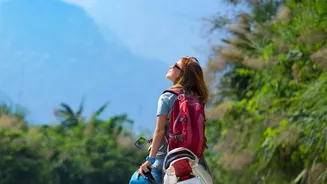
In response, a new type of traveller is emerging: the 'anti-tourist'. This traveller isn't just looking for a checklist of famous viewpoints. They are seeking authentic experiences, peace, and a genuine connection to the place they visit. The trend is driven by a desire to escape the chaos, not just of city life, but of chaotic holiday destinations themselves. Recent reports indicate a growing preference for personal, less-scripted journeys. Many travellers now say that small, spontaneous moments on a trip matter more than seeing famous attractions. This mindset shift is leading them away from the overrun mainstream circuit and towards the road less travelled.
The Rise of Rural Retreats
This search for authenticity has opened up a new frontier in Indian travel: the quiet rural holiday. Instead of sprawling resorts, travellers are opting for intimate homestays, farm stays, and eco-lodges. This model of tourism, often called agri-tourism or rural tourism, offers a completely different experience. Guests stay with local families, eat fresh, home-cooked meals, and participate in the rhythm of village life. The appeal lies in its simplicity and sincerity. It’s an opportunity to wake up to birdsong instead of car horns, walk through coffee plantations or apple orchards, and learn about local culture directly from the community. This shift not only provides a more peaceful vacation but also directly benefits the rural economy, creating jobs and empowering local communities.
Discovering India's Quieter Corners
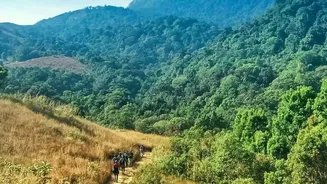
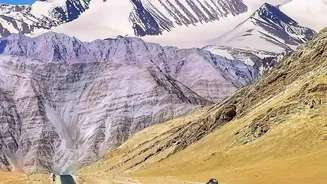
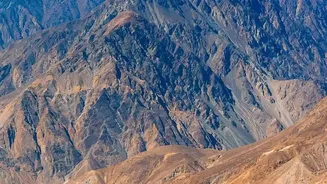
So, where are these travellers going? The options are as diverse as India itself. In Himachal Pradesh, the Tirthan Valley offers a serene alternative to the bustling crowds of Manali, with pristine rivers and welcoming homestays. In the south, the coffee estates of Coorg and the lush landscapes of Wayanad provide a tranquil escape without the commercial feel of more developed hill stations. The Northeast is also gaining attention, with places like Mawlynnong in Meghalaya—often called Asia's cleanest village—and the river island of Majuli in Assam offering unique cultural immersion. Other destinations seeing a rise in interest include the starkly beautiful Spiti Valley, the quiet beaches of Gokarna, and artists' villages like Andretta.
A More Sustainable Path Forward
This growing interest in rural travel represents more than just a fleeting trend; it signals a potential shift towards more sustainable and responsible tourism. By distributing tourist traffic away from overburdened hotspots, travellers can help reduce the environmental and social strain on popular destinations. This model fosters a more equitable form of tourism where economic benefits flow directly to rural families and communities. However, the key will be to manage this growth carefully. The challenge for these emerging destinations is to learn from the mistakes of their overcrowded counterparts and develop in a way that preserves the very peace and authenticity that makes them so attractive in the first place.