
Reading the Rain, Not Just the Calendar
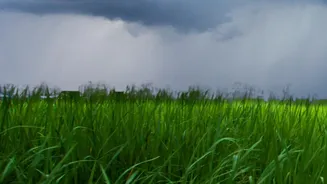
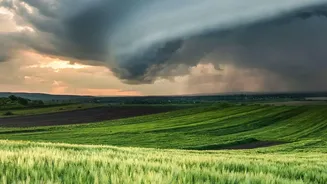
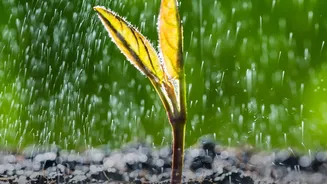
The Southwest monsoon is the lifeblood of Indian agriculture, but national averages can be misleading. While June and July might see widespread sowing, August is a month of nuance. The most critical factor is not just how much rain has fallen, but how it has fallen and what
is forecast for the immediate future. A field that received consistent, soaking rains in July is in a very different position than one that was hit by a few intense downpours followed by a dry spell. Before sowing, assess your soil's moisture content. Is it saturated or just damp? National bodies like the Indian Council of Agricultural Research (ICAR) increasingly focus advisories on climate-resilient agriculture, urging farmers to adapt to local conditions rather than follow a rigid schedule. A forecast for below-average August rainfall, for instance, might make planting water-intensive crops a risky gamble, even if the season started strong.
Drainage: The Unsung Hero of the Monsoon
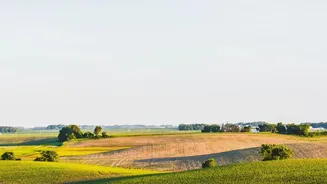
More water is not always better. For many Kharif crops, waterlogged soil is as damaging as a drought. This is where understanding your specific field's drainage becomes non-negotiable. Heavy black cotton soils, found in Central India, retain moisture for longer but can also become waterlogged, suffocating plant roots. Lighter, well-drained soils might require more consistent moisture but are less prone to root rot. When selecting crops for August, consider their tolerance for 'wet feet'. While rice thrives in flooded conditions, crops like pulses (tur, moong) and oilseeds (soybean, groundnut) require good drainage to prevent disease. If your land is low-lying and prone to collecting water after heavy showers, planting crops on raised beds can be a crucial strategy to ensure survival and good yield. Conversely, if you have excellent drainage in a region with high rainfall, you can more confidently plant crops that don't tolerate standing water.
Sunlight, Humidity, and the Growing Season
August is characterized by high humidity and, often, significant cloud cover. While the humidity is beneficial for many warm-weather crops like okra (bhindi) and beans, the reduced sunlight can impact others. Photosynthesis—the process that fuels plant growth—is directly dependent on light. The number of clear, sunny days can significantly influence how quickly a crop matures and its final yield. This is particularly important for late-sown crops that have a shorter window to grow before temperatures begin to drop in autumn. When choosing what to plant, think about the crop's basic needs. Leafy greens might tolerate partial cloud cover better than fruiting vegetables like tomatoes or gourds, which need ample sun to develop and ripen. The combination of sustained warmth and monsoon moisture makes August an excellent time for fast-growing crops that can take advantage of these conditions before the season changes.
A Local Checklist, Not a National List
Instead of searching for a universal list of 'best August crops', a more effective approach is to create a checklist for your own farm. Ask yourself these questions: 1. Rainfall: How much rain have I received in the last two weeks? What is the short-term forecast for my district? 2. Soil Moisture: Is my soil saturated, damp, or drying out? 3. Drainage: How quickly does water drain from my fields after a heavy downpour? Are there waterlogged patches? 4. Sunlight: Which parts of my farm receive the most direct sunlight throughout the day? 5. Crop History: What was planted here previously? Are there risks of nutrient depletion or soil-borne diseases? Answering these questions will provide a far more accurate guide than any generic sowing calendar. For example, if you have well-drained soil and a forecast for moderate rain, you might consider maize or bajra. If your fields are water-retentive and the monsoon remains active, short-duration paddy varieties could be an option. For plots with less certain water availability, hardy pulses or millets are a safer bet.
Smart Crop Choices for August Conditions
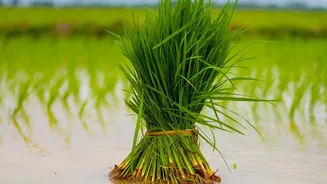
Armed with local knowledge, you can now consider specific crops. For many regions, August is ideal for a second round of planting for fast-growing vegetables like cluster beans (gwar), French beans, and okra. These crops thrive in the monsoon humidity and can produce a harvest before winter. It is also a critical month for sowing fodder crops to ensure livestock feed. In some areas, it is the last window for transplanting Kharif paddy, especially if the initial monsoon was delayed. For those planning for the Rabi (winter) season, August is the time to think about green manure crops, which can be sown now and ploughed back into the soil in a few weeks to enrich it with nitrogen. This practice is particularly beneficial for improving soil health and reducing the need for chemical fertilizers in the subsequent crop cycle.