


Mawlynnong, Meghalaya
Often called 'Asia's Cleanest Village', Mawlynnong is a testament to community-led living. Located in the East Khasi Hills, its spotless lanes are lined with flowering plants and bamboo dustbins. Life here is slow and intertwined with nature. Beyond its cleanliness,
the village is a gateway to the famous living root bridges, fascinating structures trained from the roots of rubber trees. Staying overnight in a local homestay offers a chance to experience the village's true tranquility after the day-trippers have left, revealing a quiet charm that photos can only hint at.
Ziro Valley, Arunachal Pradesh
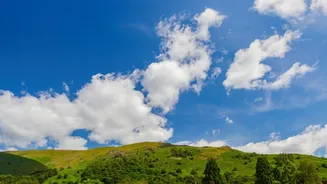
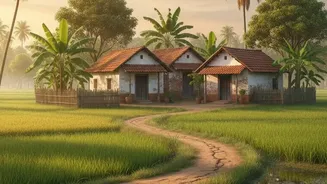
This UNESCO World Heritage-nominated valley is a lush expanse of paddy fields and pine-clad hills, home to the Apatani tribe. Ziro's appeal lies in its harmonious blend of nature and culture. The Apatani people have a unique system of paddy-cum-pisciculture, a sustainable farming method practiced for centuries. While it hosts the famous Ziro Music Festival, the valley remains a peaceful retreat for most of the year, perfect for travellers seeking cultural immersion and slow, mindful walks through its green landscapes.
Majuli, Assam
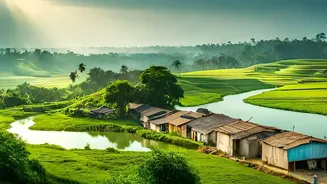
Majuli is one of the world's largest river islands, nestled in the Brahmaputra River. It has long been the cultural capital of Assam, home to Neo-Vaishnavite monasteries known as 'Satras'. Life on the island moves at a gentle pace, dictated by the river's rhythm. You can explore the Satras to witness traditional music and mask-making, or simply cycle along quiet village roads. The island's serene landscapes, unique culture, and the sheer adventure of reaching it by ferry make it an unforgettable escape.
Nako, Himachal Pradesh
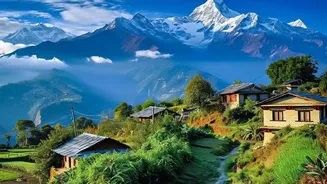
Perched at a high altitude in the Hangrang Valley near the Spiti region, Nako is a world away from bustling hill stations. The village is built around the serene Nako Lake, which is fringed with willow and poplar trees. Its stark, barren landscape has a unique beauty, with traditional flat-roofed houses and ancient Buddhist monasteries that date back to the 11th century. A walk through its narrow lanes reveals a simple, quiet way of life, offering a deep sense of peace and spirituality against a backdrop of towering Himalayan peaks.
Khimsar, Rajasthan
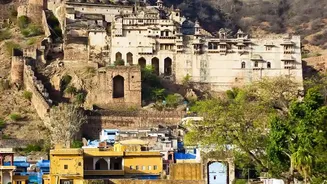
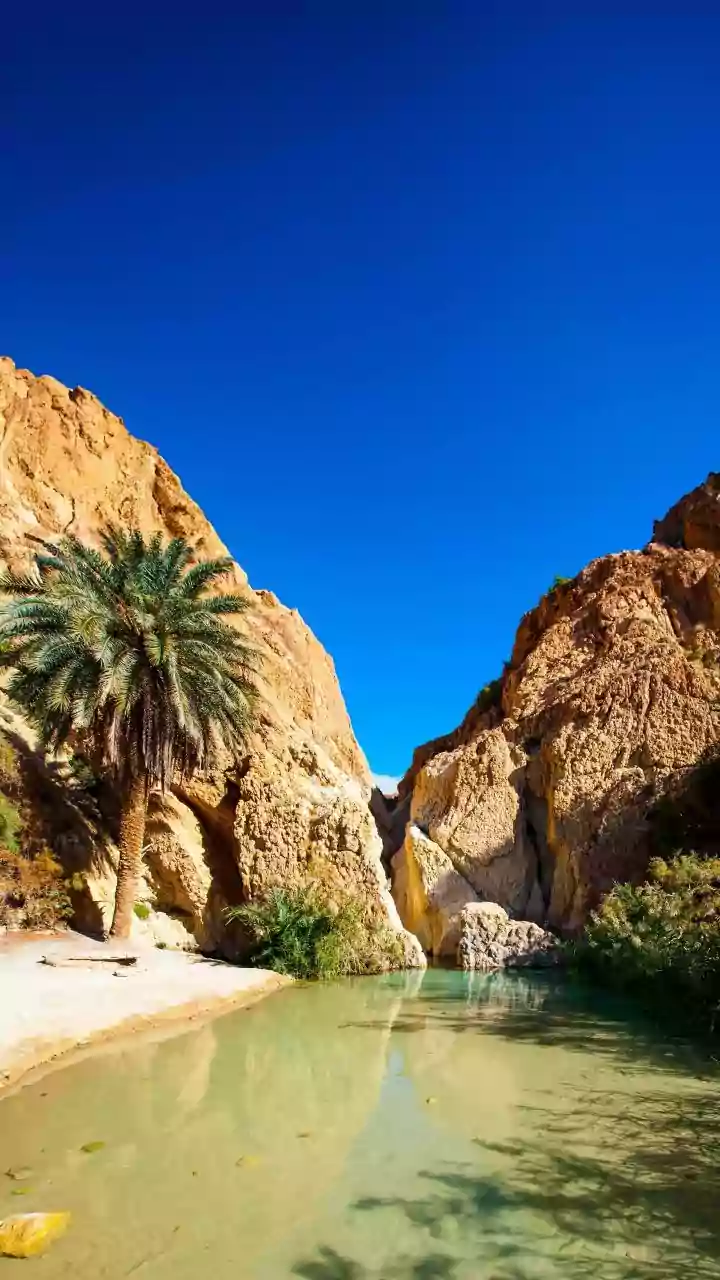
On the edge of the great Thar Desert, Khimsar offers a different kind of tranquility. This small village provides an authentic rural Rajasthani experience without the crowds of major cities. The magnificent Khimsar Fort, parts of which are now a heritage hotel, stands as a testament to its royal past. A short distance away, the Khimsar Dunes Village offers a surreal desert oasis experience, with eco-friendly huts nestled around a small lake. Camel safaris at sunset and quiet evenings under starry desert skies define the peaceful escape that Khimsar provides.
Mararikulam, Kerala
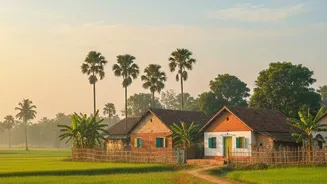
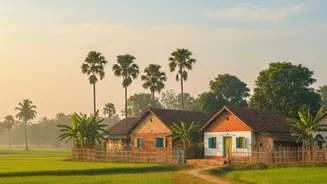
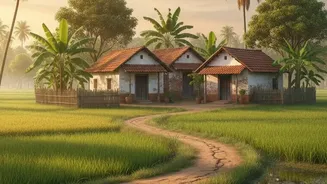
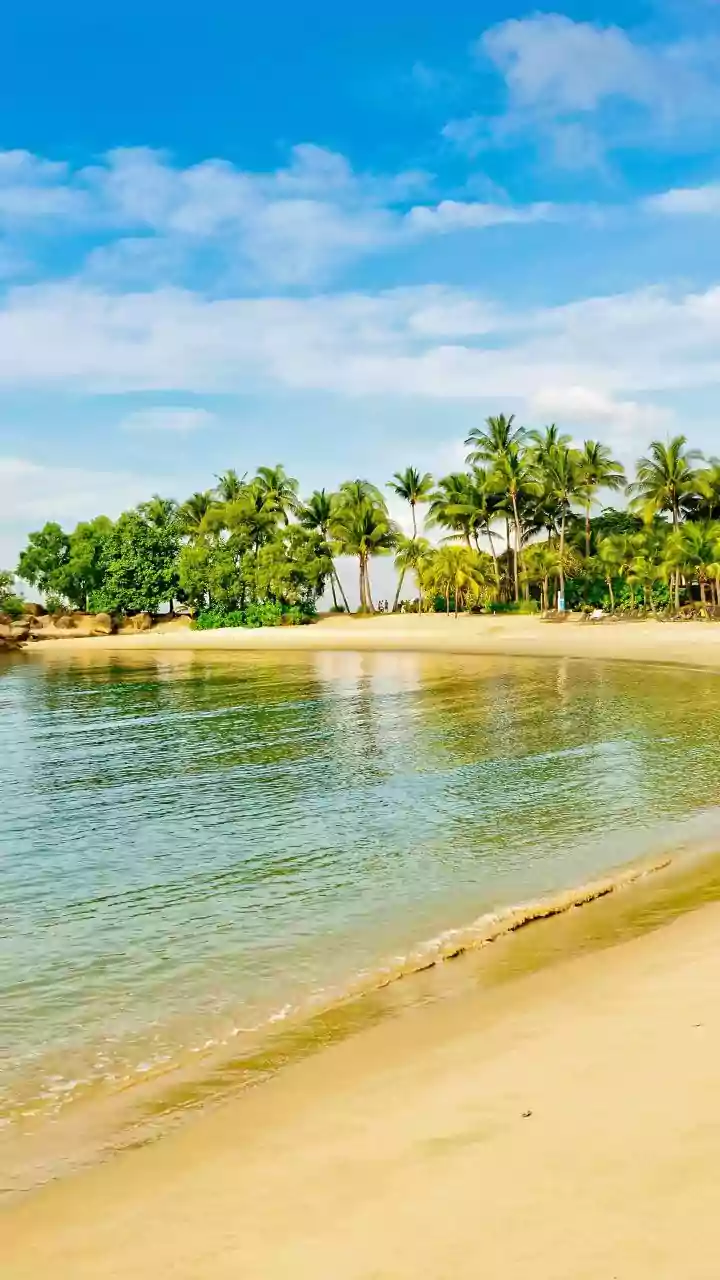
For those seeking coastal peace, Mararikulam is a sleepy fishing village with a pristine beach that remains a quiet alternative to more popular shores. Located near Alappuzha, life here is slow and simple. The village is dotted with rustic homestays and eco-resorts that prioritize sustainability and a laid-back lifestyle. Days can be spent strolling through paddy fields, watching fishermen haul in their nets at dawn, or simply relaxing by the sea. It's an ideal spot to experience the tranquil side of Kerala's famed coastline.
Mandawa, Rajasthan
Known as an 'open-air art gallery', Mandawa is a quiet town in the Shekhawati region famous for its stunningly frescoed havelis. Built by wealthy merchants in the 18th and 19th centuries, the walls of these mansions are covered in intricate paintings depicting everything from mythology to the arrival of modern technology like trains and cars. While less frequented than Jaipur or Udaipur, Mandawa offers a fascinating walk through history, where every lane reveals another artistic treasure. The town's peaceful atmosphere allows for unhurried exploration of its unique architectural heritage.
Khonoma, Nagaland
Recognised as India's first 'Green Village', Khonoma is a remarkable example of community-led conservation. The Angami Naga community here banned hunting and logging to protect the region's rich biodiversity, including the rare Blyth's tragopan. The village is built on a mountain ridge with stunning terraced fields carved into the slopes below. A visit to Khonoma offers more than just scenic beauty; it’s an insight into a resilient culture that blends a warrior past with a deep commitment to environmental preservation, making it a truly inspiring and peaceful destination.