


Start at the Source: Decoding 'Origin'
Just like wine, a tea's flavour is profoundly shaped by its 'terroir'—the unique environment where it's grown. This includes the soil, climate, and altitude, all of which impart a distinct character to the leaves. For instance, high-altitude teas often
grow slower in cooler air, developing more delicate, floral, and aromatic flavours. Lowland teas, grown in warmer conditions, tend to be more robust and malty. India, being a major tea producer, offers a perfect map of terroir. Teas from Assam, a low-lying region, are known for their strong, malty richness, making them a staple in breakfast blends. In contrast, Darjeeling teas, grown in the Himalayan foothills, are celebrated for their lighter body and complex, fruity 'muscatel' notes. Further south, the Nilgiri 'Blue Mountains' produce teas that are fragrant and well-balanced. Understanding where a tea comes from gives you the first major clue to its taste profile.
One Place or Many? Single Origin vs. Blends
As you browse, you'll encounter two main categories: single-origin teas and blends. A single-origin tea comes from one specific location, which could be a country, a region, or even a single estate. This allows you to taste the pure expression of that particular terroir. It's a fantastic way to explore how a Darjeeling from one estate differs from another, or to appreciate the unique characteristics of a specific harvest. Blends, on the other hand, combine teas from different origins, cultivars, or even with other ingredients. Tea masters create blends for several reasons: to achieve a consistent flavour profile year after year, to create a more complex and balanced taste, or to combine a high-quality tea with a more affordable one. Neither is inherently better; they simply offer different experiences. A single-origin tea is a snapshot of a place and time, while a blend is a purposefully crafted flavour experience.
Beyond the Leaf: Understanding the Ingredients
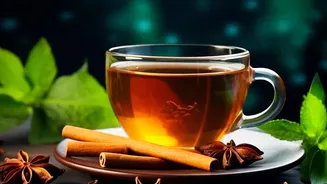
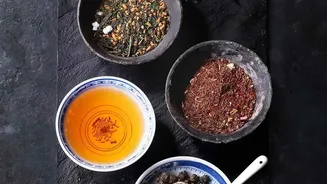
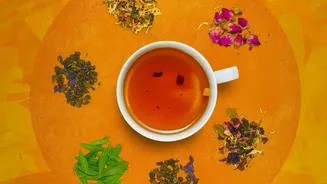
Many specialty teas are more than just pure tea leaves. The ingredient list is your guide to what’s really in your cup. You'll find 'inclusions' like dried flower petals (rose, chrysanthemum), spices (cardamom, cinnamon, ginger), and pieces of dried fruit. These are not just for show; they contribute significantly to the aroma and flavour. Masala Chai is a classic example of a blend defined by its spice inclusions. Pay attention to the distinction between 'natural flavours' and 'artificial flavours'. While chemically similar, natural flavours are derived from natural sources, whereas artificial ones are synthesized. There's nothing inherently wrong with flavoured teas, but knowing what you're buying helps. If you want the pure taste of the tea leaf, stick to unflavoured single-origin or blended teas. If you enjoy a hint of vanilla, bergamot (as in Earl Grey), or fruit, a flavoured tea could be perfect for you.
Your First Speciality Tea Purchase
Ready to take the plunge? Start with a flavour profile you already enjoy. If you like a strong cup of black tea with milk, begin by exploring a high-quality single-origin Assam. If you prefer lighter, more fragrant teas, a first or second flush Darjeeling could be a revelation. Don't be afraid to ask for help at a specialty tea store; the staff are often passionate and knowledgeable. It's always a good idea to buy in small quantities at first. This allows you to sample a variety of teas without a big commitment. When possible, smell the dry leaves before you buy—they should have a fresh, distinct aroma. Poorly stored tea will lose its vibrancy, so freshness is key. Ultimately, the goal is to find what you love, so let your curiosity and your taste buds be your guide.