



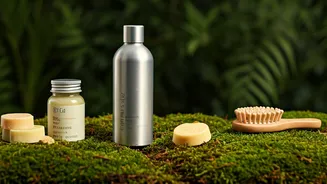


A Greener Way to Wash
The most significant driver behind the shampoo bar's rise is its environmental credentials. [18] Traditional liquid shampoos are mostly water packaged in plastic bottles, which contribute significantly to landfill and ocean pollution. [1, 14] A single
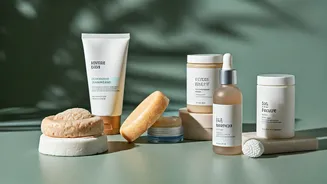
shampoo bar, on the other hand, can replace two to three plastic bottles and often comes in recyclable or compostable packaging, drastically reducing plastic waste. [1, 18] Because they aren't diluted with water, they are also lighter and more compact, which lowers their carbon footprint during transportation. [5, 8]
Formulations Have Seriously Evolved
Early versions of shampoo bars were often simple, soap-based products that could be harsh and leave a waxy residue, especially in hard water. [24] Modern shampoo bars are a different beast entirely. Today's 'syndet' (synthetic detergent) bars are soap-free and pH-balanced to match the natural acidity of your scalp, cleansing gently without stripping natural oils. [2, 24] Brands now offer a wide variety of formulations designed for specific hair types and concerns—from oily and fine hair to colour-treated, curly, or dry locks—using high-quality ingredients like jojoba oil, cocoa butter, and plant extracts. [3, 27]
More Than Just Travel-Friendly
While their solid, spill-proof nature makes them a traveller's dream, the convenience of shampoo bars extends to home use as well. [7, 23] They declutter shower shelves and are incredibly concentrated. [13, 23] Liquid shampoos are made of approximately 80% water, whereas bars are packed with potent cleansing and nourishing ingredients. [23, 14] This high concentration means a little goes a long way, offering excellent value for money. [3] One small bar can last for 50-80 washes, often outlasting multiple bottles of its liquid counterpart. [10, 14]
How to Make the Switch
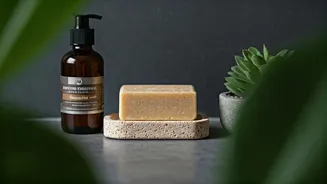
Switching to a shampoo bar is simple, but there are a few tips to ensure a smooth transition. First, make sure you are using a pH-balanced, soap-free bar to avoid the waxy feeling associated with older, soap-based formulas. [24] To use, you can either rub the bar between your hands to create a lather or apply it directly to your wet hair in a few swipes. [12] Focus on massaging the scalp, and be sure to rinse thoroughly—perhaps a little longer than you're used to—to prevent any residue. [10, 15] Storing your bar on a draining soap dish will allow it to dry between uses, helping it last as long as possible. [10, 12]