
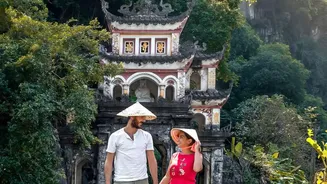

From Landmarks to Livelihoods
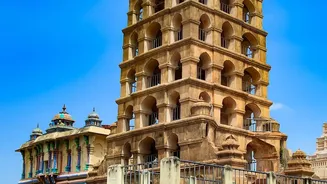
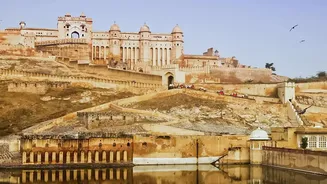
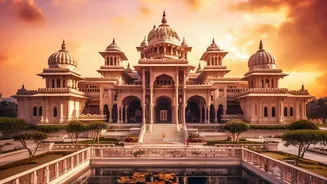
For decades, Indian leisure travel was defined by a well-trodden path of famous landmarks. Today, an increasing number of travellers are looking beyond the postcard picture. Instead of just seeing a place, they want to connect with it. This means swapping
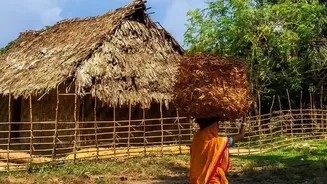
a quick photo stop for a pottery workshop with a local artisan, a crowded city tour for a food walk through historic neighbourhoods, or a standard hotel stay for a family-run homestay in a remote village. According to a recent survey, 84% of Indian travellers say their interest in cultural travel has grown. This shift is reshaping tourism from a passive activity into an active, immersive engagement with local culture, communities, and traditions.
The New Wave of Indian Travellers
This transformation is being led by a new generation of travellers, particularly millennials and Gen Z. Empowered by rising disposable incomes and influenced by social media that showcases unique, offbeat journeys, they prioritise personal discovery and authentic connections. This demographic is less interested in mass-produced souvenirs and more invested in memories and skills. They seek out travel that aligns with their values, including sustainability and community support. Recent studies show that a significant majority of Indian travellers want their trips to support small, independent businesses and minimise environmental impact. This conscious mindset is pushing the experiential travel market in India towards a projected value of $45 billion by 2027.
Beyond the Metros and Mainstream
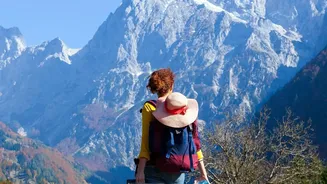
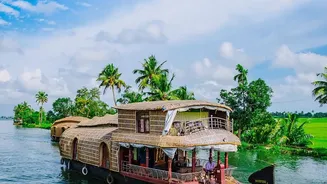
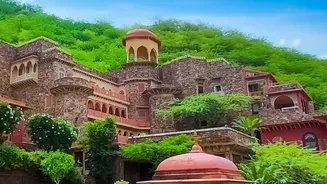
The hunger for authenticity is drawing travellers away from crowded tourist hubs and into India’s heartlands. Lesser-known destinations are becoming hotspots for those seeking unique experiences. Think of a stay at a coffee plantation in Coorg, a spiritual retreat in Rishikesh, learning about textile weaving in a Kutch village, or taking a guided nature trail in a lesser-known Himalayan valley. This trend not only provides travellers with richer experiences but also provides a vital economic boost to rural and semi-urban communities. The rise of 'hyper-local' tour startups, which offer curated experiences from city dawn tours to culinary journeys focused on specific communities, underscores this demand for deep, perspective-shifting travel.
Workations and the Redefined Getaway
The pandemic normalised remote work, giving rise to staycations and "workations" which have now become a structural shift in travel. With the flexibility to work from anywhere, many urban professionals are escaping city burnout by spending weeks or even months in scenic locations. They are not just looking for a desk with a view; they are looking for a place where they can integrate into the local rhythm of life after logging off. This has fuelled demand for properties and experiences that blend productivity with local flavour, from high-speed internet in a mountain homestay to weekend wellness workshops. The line between living and travelling is blurring, and local experiences are the glue holding it all together.
How the Industry is Responding
The travel and hospitality industry is taking note and adapting quickly. Hotels are no longer just selling rooms; they are curating experiences. This includes everything from hosting pop-ups for local artisans in their lobbies to offering cooking classes with regional chefs and designing heritage walks. Travel companies are moving away from one-size-fits-all packages, instead offering bespoke itineraries built around traveller interests like festivals, adventure sports, or spiritual wellness. Even government initiatives are shifting focus, with campaigns like 'Dekho Apna Desh' encouraging Indians to explore the country's hidden gems, thereby improving infrastructure and access for this new wave of experience-led tourism.