


Why Autumn is the Golden Season
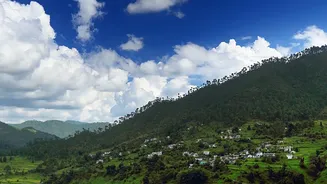
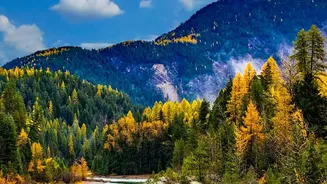
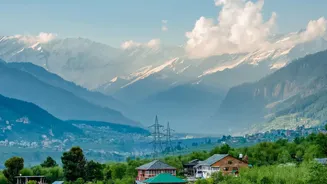
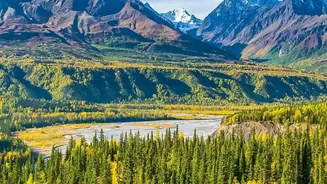
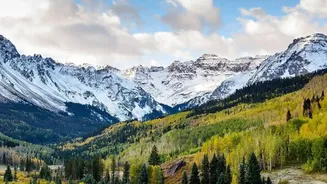
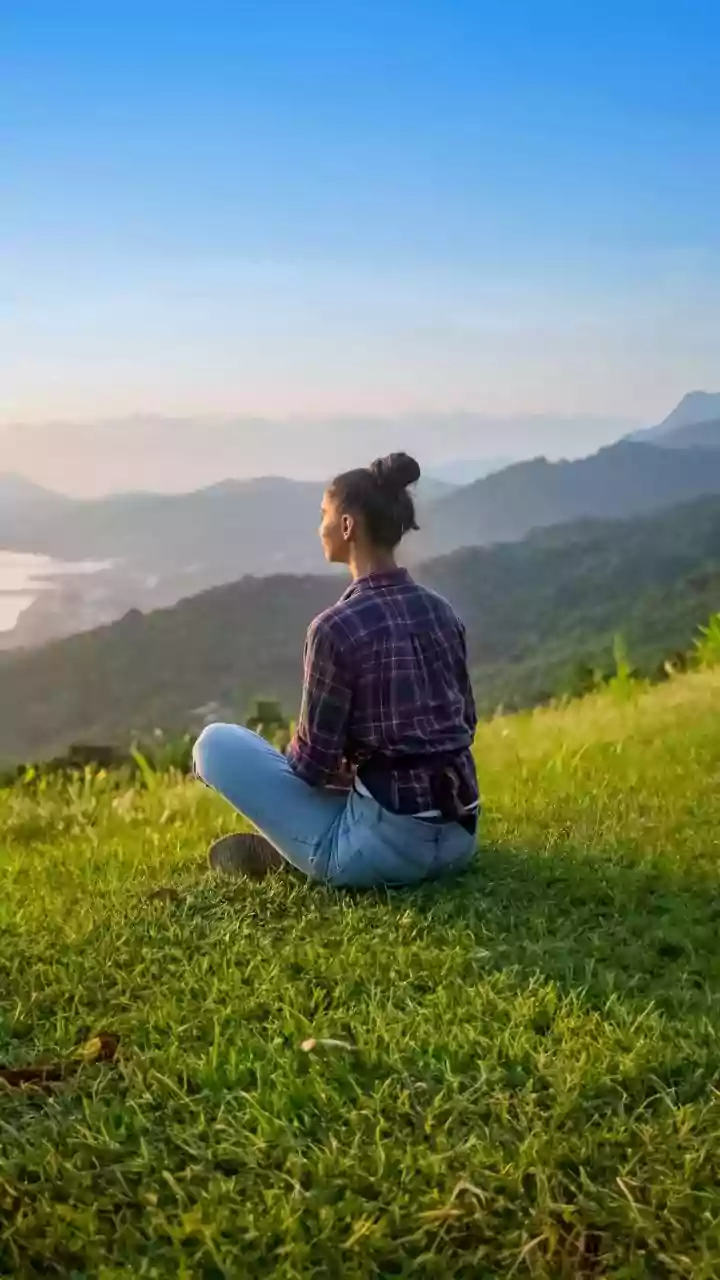
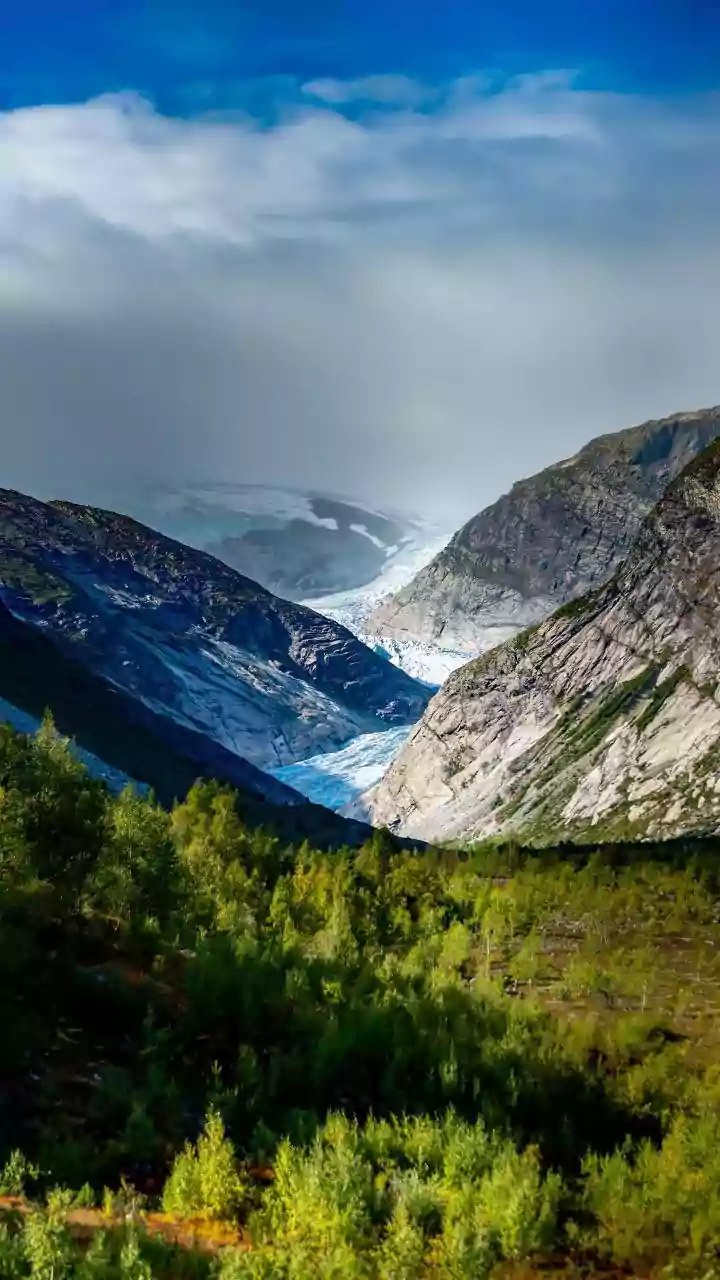
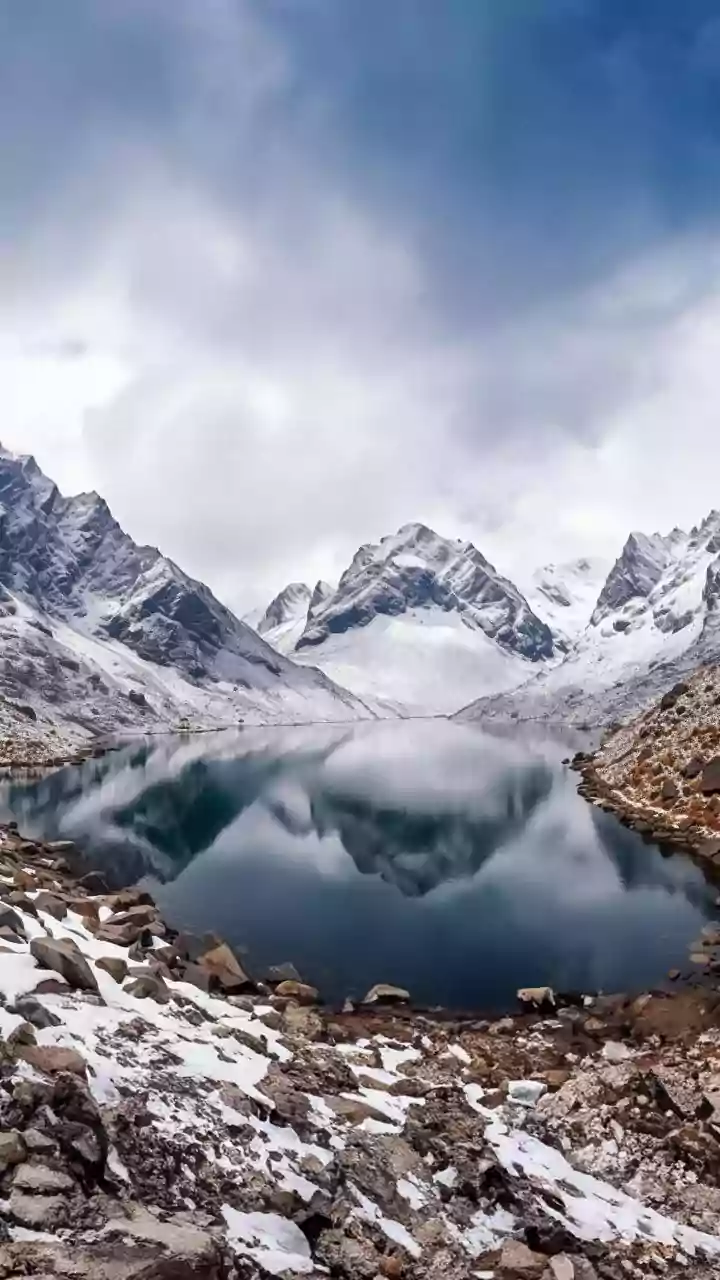
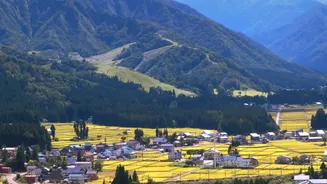
The period from late September to November is arguably the best time to visit these valleys. The monsoon rains have washed the landscape clean, leaving behind lush greenery and crystal-clear skies. The forests begin to turn golden, creating picture-perfect
scenes for photographers and nature lovers. The weather is crisp and cool, ideal for trekking and exploring without the intense summer sun or the risks of monsoon landslides. This quiet, golden window offers clearer mountain views, calmer road conditions, and fewer visitors than the peak summer season.
Reaching the Abode of Peace
Both Shoja and Tirthan Valley are located in the Kullu district of Himachal Pradesh and are best reached by road. The common route from Delhi or Chandigarh involves driving towards Manali and taking a turn-off at Aut, just before the tunnel. From Aut, the road leads into the Banjar Valley, from where you can head to either Tirthan or continue the steep, scenic climb to Shoja. The nearest airport is Bhuntar (Kullu), approximately 50-60 km away. For train travelers, the most practical major railhead is Chandigarh, followed by a bus or taxi journey of about 8-9 hours.
Shoja: The Quieter, Atmospheric Hamlet
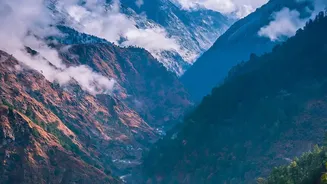
Perched at a higher altitude than its neighbours, Shoja is a small village best suited for travelers seeking silence and a slower pace. It serves as the gateway to the stunning Jalori Pass, located just 5 km away. A drive to the pass offers panoramic views of the Dhauladhar and Pir Panjal ranges. From Jalori Pass, two popular day treks beckon. One is a gentle 5 km forested trail to Serolsar Lake, a sacred alpine lake surrounded by oak trees. The other is a shorter, steeper trek to the ruins of Raghupur Fort, which provides spectacular 360-degree views. Beyond these treks, the simple joy of Shoja lies in walking through its deodar forests and enjoying the profound mountain silence.
Tirthan Valley: A Riverside Paradise
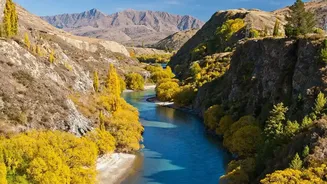
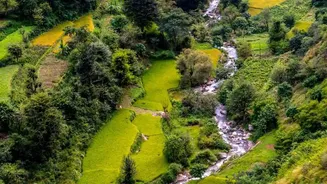
Tirthan Valley gets its name from the pristine Tirthan River, which flows through it, offering opportunities for trout fishing and riverside relaxation. The valley is the gateway to the Great Himalayan National Park (GHNP), a UNESCO World Heritage Site teeming with rare flora and fauna. You can take guided day-treks into the park's ecozone. The valley is dotted with charming villages like Gushaini and Jibhi, known for their traditional wooden houses and cozy cafes. A popular short hike is the one to Chhoie Waterfall, a hidden cascade perfect for a refreshing break. Tirthan offers a more active yet equally peaceful experience compared to Shoja, with its focus on river-based activities and village exploration.
Where to Stay and What to Eat
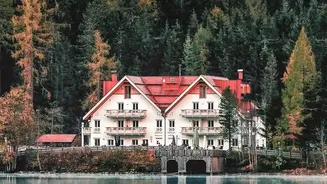
Accommodation in both valleys shuns large resorts in favour of authentic, intimate experiences. You'll find a range of options from budget-friendly hostels to charming homestays and beautiful wooden cottages, many of which are situated by the riverside in Tirthan. Staying in a local homestay offers a wonderful opportunity to experience Himachali hospitality and savour traditional food. Don't miss trying local dishes like Siddu (a steamed bun) and fresh trout from the river. Many accommodations can help arrange for guides, fishing permits, and taxis for local sightseeing. It's advisable to book your stay in advance, especially during the peak autumn months. Also, carry sufficient cash as ATM access can be limited.