


Understanding Smoke Point: Why It Matters
Every fat, whether it's ghee, butter, or any kind of oil, has a smoke point. This is the temperature at which it stops looking clean and shimmery and starts to smoke. This isn't just a sign that your pan is too hot; it's a chemical red flag. When a fat is heated
past its smoke point, its very structure begins to break down. This process, known as oxidation, not only ruins the flavour of your food but also destroys beneficial nutrients and creates harmful compounds called free radicals. These molecules can contribute to inflammation and cellular damage in the body. Therefore, for high-temperature cooking methods like deep-frying, searing, or making a tadka, choosing a fat with a high smoke point is crucial for both taste and health.
Ghee’s Stability Under Fire
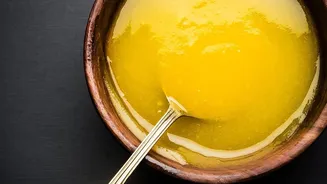
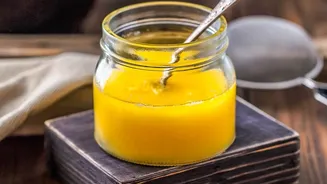
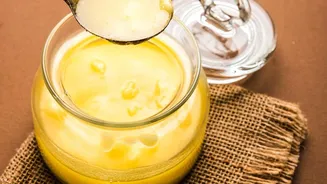
This is where ghee truly shines. With a smoke point of around 250°C (485°F), it is one of the most stable fats available for cooking. This is significantly higher than butter (around 175°C) and most unrefined cold-pressed oils. The reason for ghee's stability lies in its creation. Ghee is clarified butter, meaning the milk solids and water have been removed. It's these milk solids that cause regular butter to burn quickly. What remains is almost pure butterfat, which is rich in stable saturated fatty acids. This chemical structure is naturally more resistant to breaking down under heat compared to the polyunsaturated fats found in many vegetable oils. This means ghee can handle the high temperatures required in much of Indian cooking without degrading.
The Trouble with Unrefined Oils at High Heat
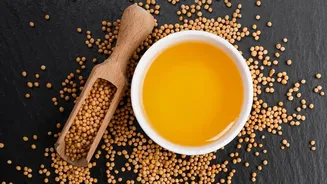
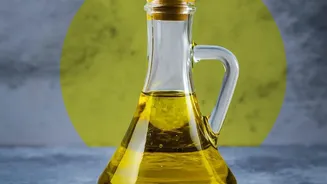
Unrefined cold-pressed oils are celebrated for their nutritional value because the extraction process avoids heat and chemicals, preserving delicate nutrients and antioxidants. However, these same delicate compounds make most of them unsuitable for high-heat cooking. Many popular cold-pressed oils, like extra virgin olive oil or groundnut oil, have lower smoke points (around 160°C to 180°C). When you use them for deep-frying or a blistering tadka, you risk pushing them past their thermal limit. This not only negates their health benefits by destroying the very nutrients you paid a premium for, but it can also create the harmful byproducts mentioned earlier. While they are an excellent choice for dressings, drizzling over finished dishes, or very gentle, low-heat cooking, they are generally not built for the intense heat where ghee thrives.
The Infusion Advantage: More Than Just Taste
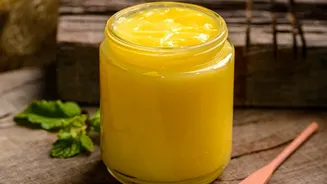
The headline mentions 'infused ghee', which adds another layer of benefits. Infusing ghee with herbs and spices like turmeric, rosemary, or clove isn't just about creating a flavourful cooking medium. Many of these botanicals are rich in natural antioxidants. When added to ghee, these compounds can actually help protect the fat from oxidation, further enhancing its stability and potentially extending its shelf life. Studies have shown that herbs can act as natural antioxidants, slowing down the process of rancidity and preserving the quality of the ghee. So, when you cook with an infused ghee, you're not only getting a complex flavour profile but also an added layer of antioxidant protection that works in synergy with the fat itself.
Making the Right Choice for Your Kitchen
Choosing the right cooking fat isn't about declaring one 'good' and the other 'bad'. It’s about using the right tool for the job. Unrefined cold-pressed oils have a valuable place in the kitchen for their flavour and nutrients in raw or low-heat applications. However, for the high-heat demands of Indian cooking—from searing paneer to sizzling spices for a dal tadka—ghee is the chemically superior and safer choice. Its high smoke point and stable saturated fat structure mean it can withstand high temperatures without breaking down and forming harmful compounds. It provides a clean, rich flavour and ensures that your carefully prepared meal is as healthy as it is delicious.