


The Best of Both Worlds
The moong chilla, a savoury pancake made from split mung beans, is a breakfast staple across India for good reason. It’s naturally gluten-free, light, and packed with plant-based protein and fibre, making it incredibly filling and nutritious. On the other
hand, a classic pancake offers a soft, pillowy texture that feels like a hug on a plate. By combining these two concepts, you get a breakfast that’s both deeply nourishing and wonderfully comforting. You’re essentially taking the high-protein, low-calorie framework of a chilla and giving it the texture and versatility of a pancake. This fusion isn’t just about being creative; it’s about upgrading your breakfast to be more satisfying without compromising on health benefits.
Crafting the Perfect Batter
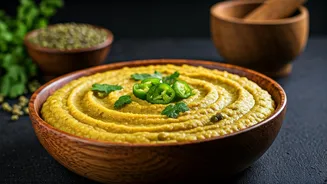
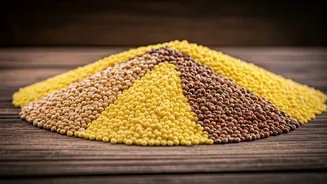
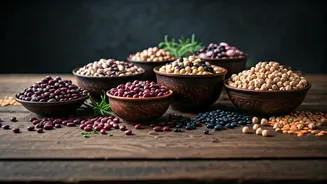
The secret to transforming a chilla into a pancake lies in the batter. A traditional chilla batter is thin and made simply by blending soaked moong dal with water, ginger, and chillies. To achieve a fluffier, more pancake-like result, we need to make a few adjustments. Start by soaking one cup of yellow moong dal for at least four hours, or even overnight. Drain it and blend it into a smooth paste with just enough water to get the blades moving. The batter should be thick, closer to the consistency of American pancake batter, not the thin, crepe-like consistency of a chilla. Now for the magic: add a teaspoon of baking soda or baking powder. This is the key to creating those airy bubbles and giving your pancakes a lift. For a hint of sweetness, you can add a mashed banana or a tablespoon of jaggery, but it’s entirely optional.
Getting That Golden-Brown Flip
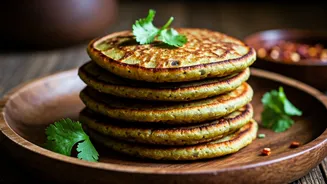
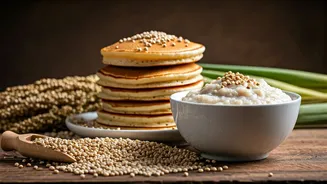
Cooking these moong dal pancakes requires a slight shift in technique from a traditional chilla. Heat a non-stick pan over medium-low heat and add a bit of ghee or oil. Unlike a chilla where you spread the batter thin, you’ll pour a ladleful of the thick batter and let it spread naturally into a smaller, thicker circle. Don’t be tempted to spread it out too much. Let it cook for 3-4 minutes, or until you see bubbles forming on the surface and the edges look set. This indicates that the leavening agent is working and the pancake is cooking through. Flip it carefully and cook for another 2-3 minutes on the other side until it's golden brown and cooked through. The lower heat and slightly longer cooking time ensure the thicker pancake cooks evenly without burning.
Toppings: Savoury or Sweet?
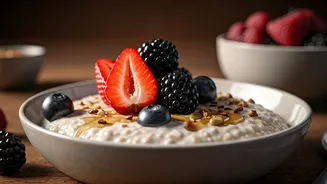
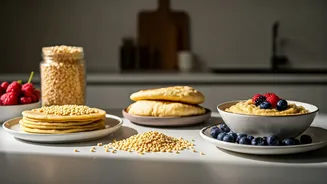
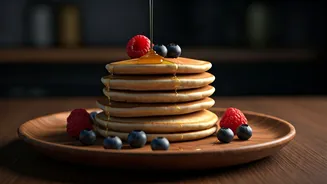
Here’s where you can truly have fun and honour both sides of this fusion dish. For a classic savoury experience, serve your moong dal pancakes topped with chopped onions, cilantro, and a side of mint or coriander chutney. You could also add crumbled paneer or a savoury vegetable stir-fry. For those with a sweet tooth who want to lean into the pancake experience, the options are endless. Top them with a drizzle of honey or maple syrup, a dollop of Greek yogurt, and a handful of fresh berries. Sliced bananas and a sprinkle of cinnamon also work beautifully, complementing the earthy flavour of the moong dal in a surprisingly delicious way.
Pro-Tips for Pancake Success
To ensure your moong dal pancakes are a success every time, keep a few things in mind. First, don't skip the soaking; it’s crucial for a smooth batter and easy digestion. If your batter seems too thick to pour, add water one tablespoon at a time until it reaches a thick but pourable consistency. If you want to boost the nutrition even further, feel free to blend in a handful of spinach or grated carrots into the batter. The batter can be prepared in advance and stored in the refrigerator for up to two days, making weekday breakfasts much easier. Just be sure to give it a good stir before using it, as it may separate slightly.