



The Unseen Cost of Paradise
The term 'overtourism' might conjure images of crowded European cities, but its effects are deeply felt along fragile coastlines. The Konkan, stretching from Maharashtra to Goa and Karnataka, is no exception. Unchecked development to accommodate soaring
tourist numbers can lead to the destruction of natural habitats like sand dunes and vital mangrove forests. Increased footfall often brings pollution, strains local resources like water, and can lead to the erosion of the very beaches that draw visitors in the first place. This degradation not only harms the environment but also threatens the livelihoods of local communities who depend on these ecosystems.
Paddling a Different Path
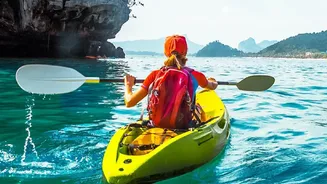
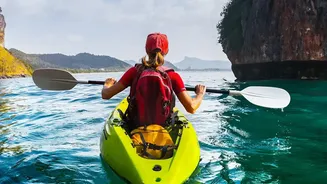
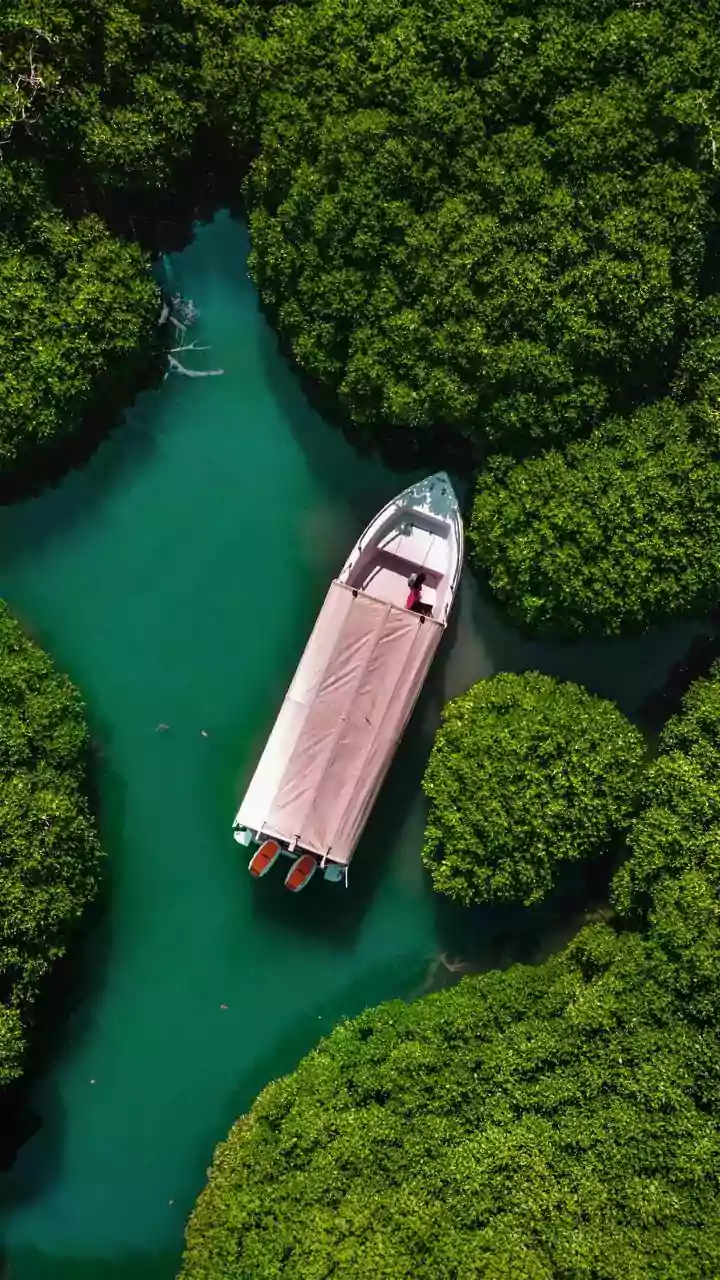
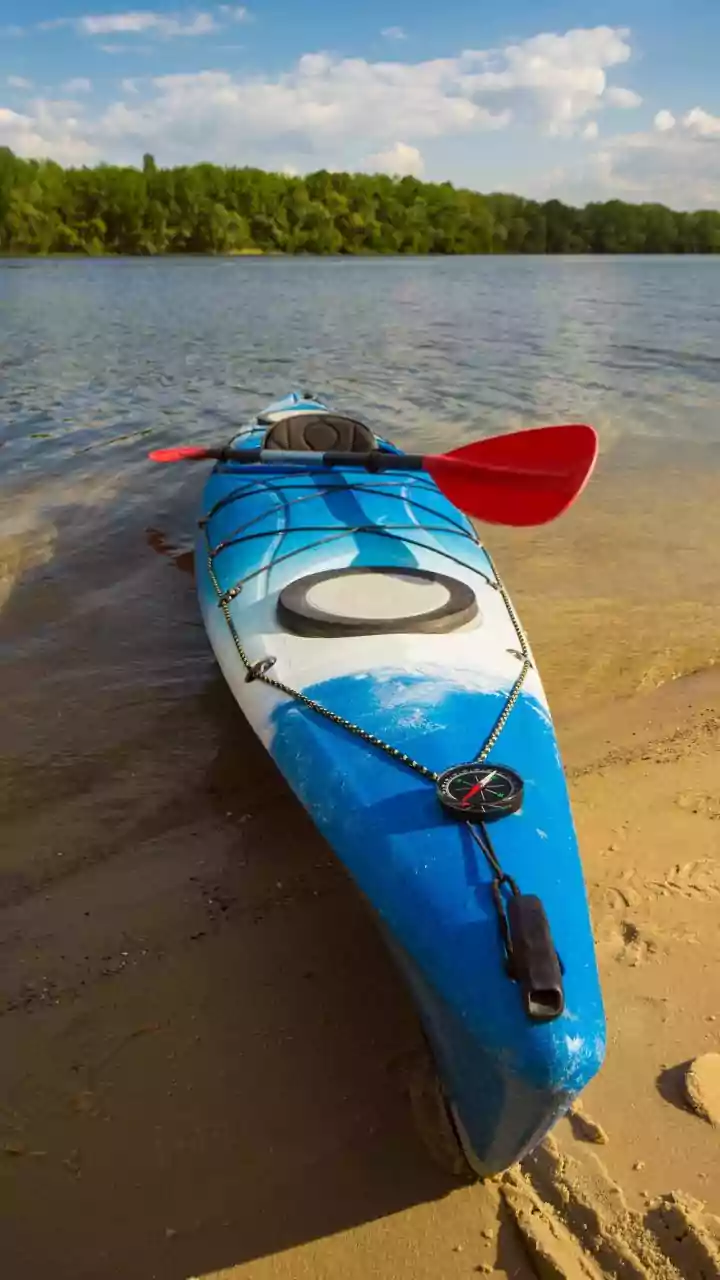
Imagine gliding silently through a tunnel of lush green mangrove trees, the only sound being the gentle dip of your paddle in the calm backwaters. This is the essence of backwater kayaking, an activity gaining popularity in places like Vengurla in Maharashtra and along Goa's Chapora River. Unlike noisy, fuel-guzzling motorboats that dominate mainstream tourist spots, kayaks offer an intimate and unobtrusive way to experience nature. This slow-paced exploration allows visitors to navigate narrow, winding channels that larger boats cannot access, revealing a hidden world of biodiversity away from the crowded shoreline.
The Mechanics of Mindful Travel
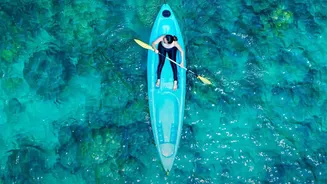
Kayaking's power as a conservation tool lies in its inherently low-impact nature. It is a human-powered activity, creating no noise or chemical pollution that would disturb wildlife. Paddlers can observe birds, crabs, and fish in their natural habitat without causing stress or disruption. Furthermore, this form of ecotourism requires minimal infrastructure. There is no need for large jetties or the dredging of channels, which can severely damage sensitive mangrove root systems. Mangroves are critical for coastal health; they act as natural barriers against erosion and flooding, and serve as vital nursery grounds for marine life. Kayaking allows people to appreciate these ecosystems without harming them.
Guardians of the Coast
Perhaps the most significant impact of this sustainable model is economic. When local communities directly benefit from preserving their environment, they become its most passionate protectors. Across the Konkan, community-led initiatives and small-scale operators are offering guided kayak tours, managing homestays, and sharing their traditional knowledge with visitors. This creates a powerful incentive for conservation. The income generated from a few hours of guiding tourists through healthy mangroves often proves more sustainable than destructive alternatives. This model keeps tourist spending within the village economy, empowering residents and ensuring that the benefits of tourism are distributed equitably.
An Education on the Water
A guided kayak tour is more than just a recreational activity; it's an open-air classroom. Local guides, many of whom are from fishing families, share invaluable insights into the mangrove ecosystem, the names of local birds, and the importance of conservation. This educational component fosters a deeper appreciation for the environment among tourists, turning a simple holiday activity into a meaningful experience. Initiatives supported by organisations like the Mangrove Foundation of Maharashtra have successfully used these 'mangrove safaris' to build awareness about coastal ecology among visitors, creating a generation of more conscious travellers.