






The Hidden Dangers in Damp Shoes
That damp, dark interior of your shoe is an ideal breeding ground for bacteria and fungi. When your feet are trapped in this environment, it significantly increases the risk of developing unpleasant and persistent foot diseases. One of the most common
is Athlete's Foot, a fungal infection that causes itching, redness, and peeling skin. Another risk is Onychomycosis, a fungal infection that can cause toenails to thicken, discolour, and become brittle or painful. The moisture essentially creates a microclimate where microbes thrive, leading not just to bad smells but also to potential health issues that can be difficult to treat. Constant dampness also softens the skin, making it more prone to blisters and tears from friction.
More Than Just a Bad Smell
Beyond the health risks, improper drying habits can permanently ruin your favourite footwear. Moisture is the enemy of most shoe materials. For leather shoes, quick or uneven drying can strip natural oils, leading to cracks, stiffness, and warping. The adhesives that hold your shoes together are also vulnerable; excessive moisture and improper heating can weaken the glue, causing soles to separate from the upper. Suede can become matted and stained, while even synthetic materials can lose their shape and structural integrity. Essentially, by not allowing your shoes to dry completely, you are accelerating their wear and tear and significantly shortening their lifespan.
The Right Way to Dry Your Shoes
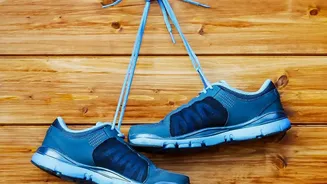
Patience and air circulation are your best friends when it comes to drying shoes safely. First, always remove the insoles and loosen the laces; this opens up the shoe and allows air to reach every part. If the shoes are muddy, give them a gentle clean before you start drying to prevent stains from setting. The most effective method is to stuff them with crumpled newspaper. Newspaper is highly absorbent and helps draw moisture out from the inside while also helping the shoe maintain its shape. You may need to replace the soggy paper every few hours for very wet shoes. Once stuffed, place the shoes in a well-ventilated area, preferably near a fan to keep air moving. This simple, slow-and-steady approach is the safest for all shoe materials.
Common Drying Mistakes to Avoid
In a rush to get shoes dry, it’s easy to make damaging mistakes. The biggest mistake is applying direct heat. Never place your shoes on a radiator, near a heater, or use a hairdryer on them. Intense heat can warp materials, melt adhesives, and cause leather to crack. Tossing them in a clothes dryer is also a bad idea, as the tumbling can damage both the shoes and the machine. Another common error is leaving them in direct sunlight for too long. While a little sun can help, prolonged exposure to UV rays can fade colours and make materials like leather brittle. Finally, don't store shoes away before they are completely dry, as this traps moisture and encourages mould and bacteria growth.
Be Proactive: Monsoon Shoe Strategy
The best way to deal with wet shoes is to minimise how soaked they get in the first place. If possible, rotate between at least two pairs of shoes during the monsoon. This gives each pair a full 24 hours or more to dry out completely before you wear them again, which is crucial in humid weather. Investing in a quality waterproofing spray can also make a huge difference. Applying a spray suitable for your shoe's material creates a barrier that repels water. For heavy downpours, waterproof overshoes can protect your dressier pairs. And when you get home, make drying them properly part of your routine—it’s a small effort that pays off in the long run.