






Essential Health and First-Aid
The monsoon season can increase the risk of minor injuries and health issues. Your emergency kit should contain a comprehensive first-aid box with antiseptic solution, bandages, adhesive tape, and gauze. Given the prevalence of mosquitoes and other insects
during this season, a strong insect repellent is non-negotiable. Fungal infections are also common due to the damp conditions, so including an antifungal powder or cream is a wise precaution. Packets of Oral Rehydration Salts (ORS) or electrolytes are crucial, as high humidity can lead to dehydration faster than you might think. Also, carry any personal prescription medications, along with basic medicines for common ailments like fever, pain, and stomach upsets.
Weather-Proofing Your Gear
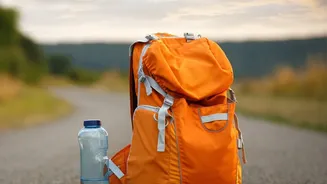
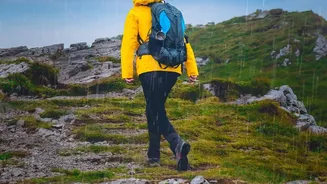
Keeping yourself and your belongings dry is the primary challenge of monsoon travel. While an umbrella is useful, a lightweight, hooded raincoat or poncho offers better protection against heavy rain and strong winds. Your choice of clothing is equally important. Avoid cotton and denim, which absorb moisture and take a long time to dry. Instead, pack quick-drying synthetic clothes. Your footwear should be waterproof with a good grip to prevent slipping on wet and muddy surfaces. Carry extra pairs of socks to ensure you always have a dry pair. To protect your belongings, a waterproof backpack is ideal, but a durable rain cover for your existing bag is a great alternative.
Power and Connectivity
Power cuts are a frequent occurrence during the monsoon season across India. To ensure your devices remain charged, a fully-charged, high-capacity power bank is an absolute necessity. It acts as a lifeline, keeping your phone—your primary tool for communication, navigation, and emergencies—operational. It's also a good idea to download offline maps of your destination before you travel, as network connectivity can be unreliable during heavy downpours. A small, powerful flashlight with extra batteries is another essential item for navigating power outages.
Protecting Documents and Valuables
Water damage can ruin important documents and electronics. Simple and affordable waterproof ziplock bags or dedicated dry bags are extremely effective for protecting your phone, wallet, camera, and chargers. It is advisable to keep your essential documents, such as ID cards, tickets, and hotel bookings, in a separate waterproof pouch. Having digital copies of these documents saved on your phone or a cloud service provides an extra layer of security. Also, while digital payments are common, network issues during the monsoon can disrupt these services. Always carry enough cash for emergencies, especially in remote areas.
Hygiene and Sustenance
Maintaining hygiene is critical to staying healthy during the monsoon. Stagnant water can increase the risk of infections. Your kit should include hand sanitiser, soap, wet wipes, and tissues. A quick-drying microfibre towel is far more practical than a standard cotton one, as it takes up less space and dries quickly. Travel delays are also common, whether due to waterlogged roads or landslides. Packing non-perishable snacks like energy bars, nuts, and biscuits ensures you have something to eat if meals are delayed. It's also wise to carry your own bottled water or a reliable water purifier to avoid waterborne illnesses.