





Why Fibre is Your Friend
Dietary fibre is a type of carbohydrate that our bodies can't digest, but it plays a crucial role in our health. It aids digestion, prevents constipation, and helps maintain a healthy gut. A high-fibre diet can also help manage blood sugar levels, lower
cholesterol, and support weight management by making you feel fuller for longer. While the Indian Council of Medical Research (ICMR) suggests adults aim for about 25-40 grams of fibre daily, studies show many urban Indians consume only about half of that. This gap is often due to a modern diet that favours refined grains and processed foods over traditional, whole ingredients.
Swap Your Grains
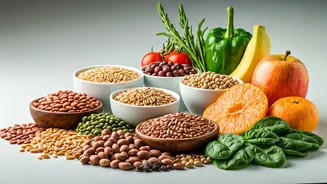
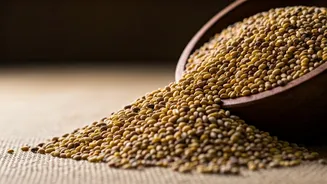
One of the simplest and most effective changes is to switch from refined grains to whole grains. Instead of white rice, opt for brown or red rice. When making rotis, parathas, or other flatbreads, use whole-wheat atta instead of maida. To take it a step further, mix in other fibre-rich flours like jowar (sorghum), bajra (pearl millet), or ragi (finger millet). Even starting with a 50/50 blend can significantly increase the fibre content of your daily staples without drastically changing the taste or texture. Oats are another versatile option; they can be used for upma, chilla, or ground into flour and added to your roti dough.
Lean into Lentils and Legumes
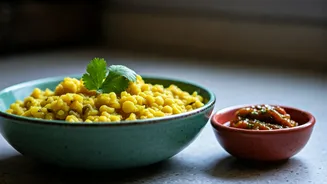
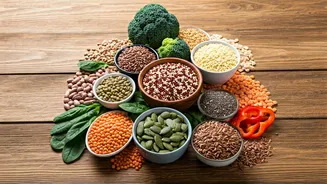
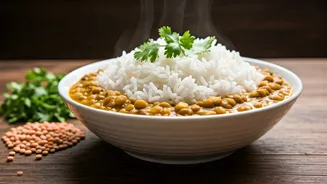
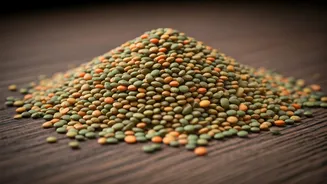
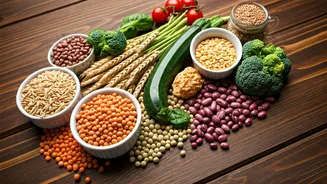
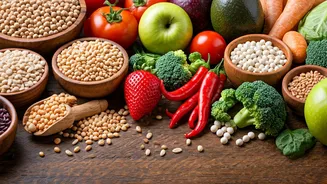
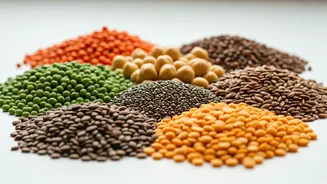
The Indian pantry is a treasure trove of dals, pulses, and legumes, all of which are excellent sources of both fibre and protein. Make it a habit to include a dal like moong, masoor, or chana with at least one of your main meals. Beyond the daily dal, incorporate whole legumes like rajma (kidney beans), chana (chickpeas), and lobia into your weekly menu. Sprouts, particularly moong sprouts, are also packed with fibre and can be easily added to salads, chaats, or even light stir-fries for a nutritious crunch.
Fill Half Your Plate with Vegetables
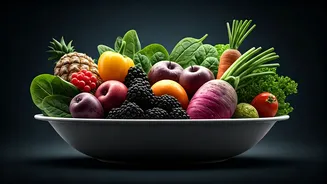
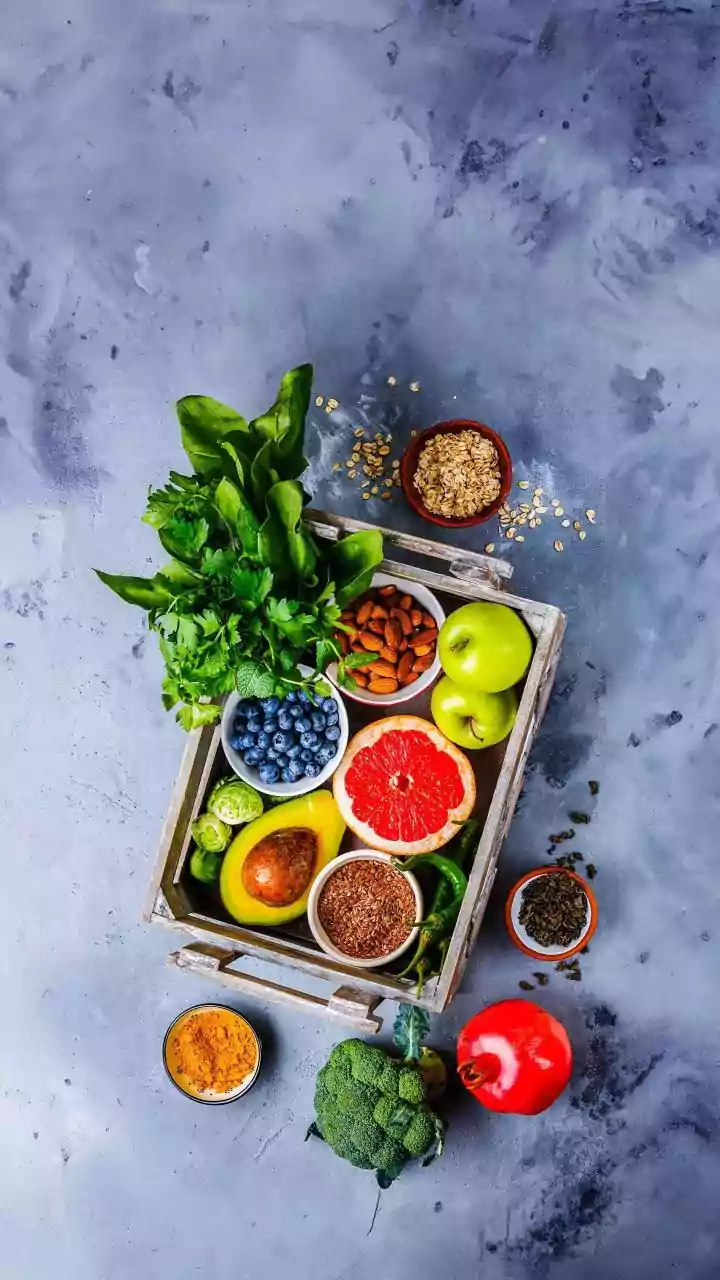
A colourful plate is a fibre-rich plate. Aim to fill at least half of your plate with vegetables at lunch and dinner. Many common Indian vegetables are high in fibre, including bhindi (okra), sweet potato, peas, carrots, and leafy greens like spinach and methi. Instead of making a separate sabzi, try adding chopped vegetables directly into your dal, sambar, or even khichdi to bulk them up. Don't shy away from starting your meal with a simple raw salad of cucumber, carrots, and beetroot; it adds fibre and can help prevent overeating.
Snack Smarter, Not Harder
Snack time is a golden opportunity to add more fibre. Instead of reaching for packaged biscuits or namkeen, opt for a piece of whole fruit. Fruits like guava, apples (with the skin on), pears, and papaya are fantastic sources of fibre. A handful of roasted chana is another classic Indian snack that is incredibly fibre-dense and filling. Nuts and seeds like almonds, walnuts, and flaxseeds also provide a healthy dose of fibre and can be eaten on their own or sprinkled over yoghurt or salads.
Small Tricks for a Big Impact
A few minor adjustments in the kitchen can make a big difference. Whenever possible, cook vegetables like potatoes and apples with their skin on, as a lot of the fibre is concentrated there. Sprinkle a tablespoon of seeds like flax or chia into your raita, smoothies, or over your morning poha for an invisible fibre boost. And finally, remember to drink plenty of water throughout the day. Fibre works best when it's well-hydrated, as water helps it move through your digestive system smoothly.