



Base Layers and Clothing: Think Quick-Dry
The single most critical rule for monsoon trekking is to avoid cotton. Cotton absorbs a massive amount of water and takes a very long time to dry, leaving you feeling cold, damp, and increasing the risk of chafing. Instead, your entire wardrobe should
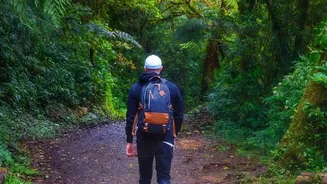
be built around synthetic, quick-dry fabrics like polyester or nylon. Pack two or three quick-dry t-shirts and a pair of trekking pants made from a similar lightweight material. Ripstop cargo pants are an excellent choice as they are durable and resist tears on overgrown trails. Full-sleeved shirts and full-length pants are preferable to protect against insect bites and scratches from vegetation. Always carry a spare set of dry clothes sealed in a waterproof bag for when you reach your destination.
Outerwear: Your Shield Against the Rain
A reliable waterproof rain jacket is non-negotiable. While a poncho can work for shorter, easier treks, a dedicated rain jacket and rain pants offer better comfort and mobility on challenging terrain. Look for outerwear with sealed seams to ensure no water seeps through. For added protection, especially in leech-prone areas like the Western Ghats, waterproof gaiters are a game-changer. They cover the gap between your boots and trousers, preventing water, mud, and leeches from getting inside. A sun cap worn under your hood is a clever trick to keep rainwater from dripping onto your face and obscuring your vision.
Footwear: Grip is Everything
Your choice of footwear can make or break a monsoon trek. Regular sports shoes or sneakers will not suffice on slippery, moss-covered rocks and muddy paths. You need trekking shoes with excellent grip, preferably with deep rubber lugs on the sole. For treks in the Western Ghats, where trails are rocky and slippery, a soft rubber sole provides better friction. While fully waterproof boots seem logical, they can sometimes trap water that runs down your leg, creating a mini-pool inside your shoe. An alternative is to use non-waterproof shoes with good drainage, paired with multiple pairs of quick-dry synthetic or wool socks. Never wear cotton socks. Always carry a spare pair of lightweight sandals or floaters for relaxing at the campsite.
The Right Backpack and Waterproofing
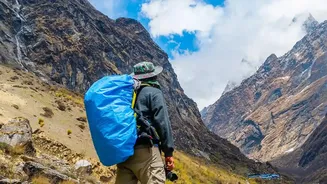
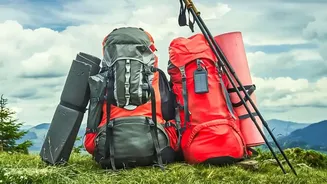
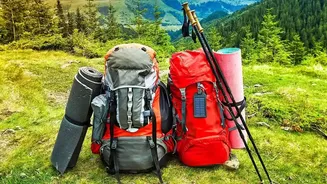
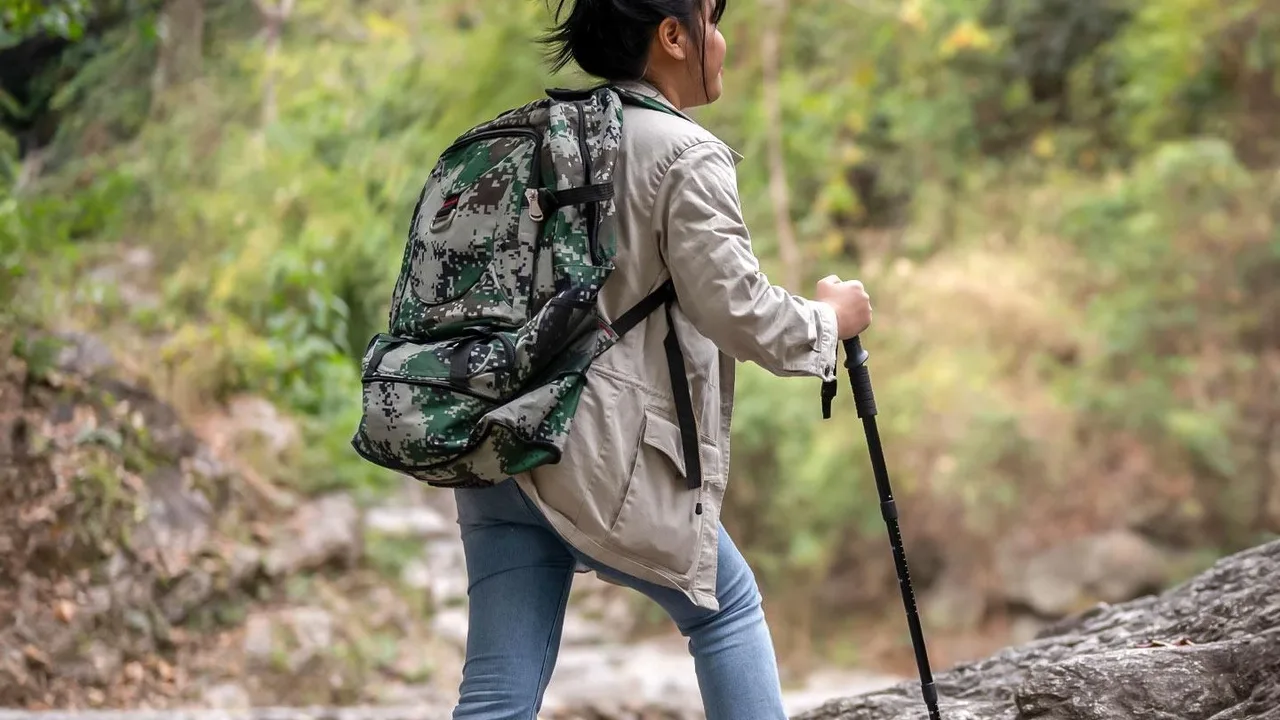
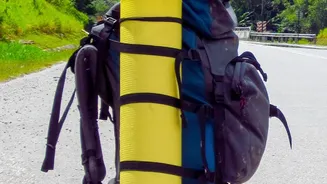
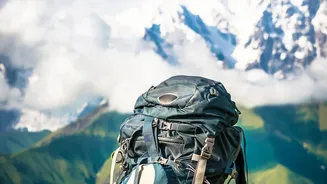
Choose a sturdy backpack with a capacity of around 40-50 litres for a weekend trek. Most importantly, it must have a high-quality rain cover. Do not rely on the cover alone; internal waterproofing is crucial. Pack all your belongings—clothes, electronics, food—inside separate plastic bags or, even better, waterproof dry bags. This double-layer of protection ensures that even if you take a tumble into a stream, your essentials will remain bone dry. This strategy moves beyond just being rain-resistant to being fully water-managed, which is key for the Indian monsoon.
Safety and Navigation Essentials
A well-stocked first-aid kit is a must. Include antiseptic wipes, bandages, blister tape, pain relief spray, and any personal medications. Given the environment, insect repellent is essential, particularly for dealing with leeches. A small bottle of salt or a sanitiser can help in removing them. A headlamp with extra batteries is crucial, as monsoon skies can get dark quickly, and visibility can be poor in dense fog. A whistle is a simple but effective safety tool for signalling your location in an emergency. Finally, download offline maps of your route on your phone, and carry a fully charged power bank stored in a dry bag.
Sustenance and Hydration
Trekking in the rain burns a lot of energy. Pack high-energy snacks that are easy to eat on the go, such as energy bars, nuts, dates, and chocolates. While water sources are abundant, they may not be clean. Carry at least two litres of water in a bottle or hydration bladder and consider bringing a water filter or purification tablets. Staying hydrated and energised is vital for maintaining your strength and focus on slippery trails. Don't forget a reusable cup, plate, and spoon to minimise waste on the trail.