






Why Your Diet Needs a Monsoon Makeover
The shift in weather during the rainy season affects our bodies more than we realise. According to both traditional wisdom like Ayurveda and modern science, the high humidity can dampen our digestive fire, or 'agni', making it harder for our system to process
heavy foods. [12] This sluggish digestion, combined with an environment ripe for bacterial and fungal growth, means our immunity takes a hit. [7] The risk of waterborne and foodborne infections like diarrhoea, typhoid, and flu increases significantly. [10, 12] A mindful monsoon diet isn't about restriction; it's about supporting your body's natural defences by choosing foods that are easy to digest, boost immunity, and keep infections at bay. [22]
Foods to Embrace This Season
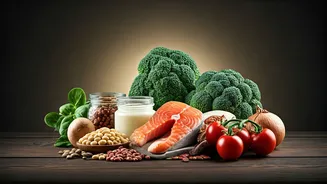
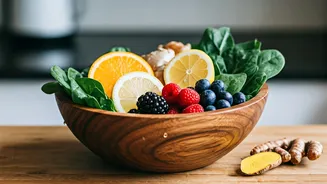
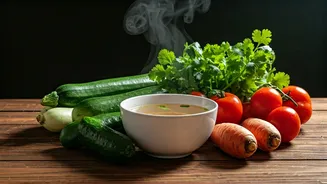
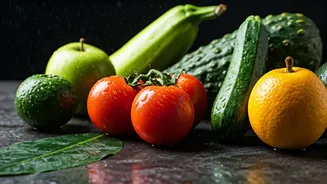
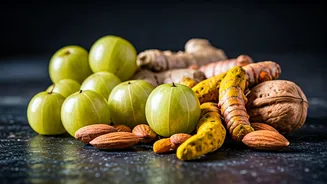
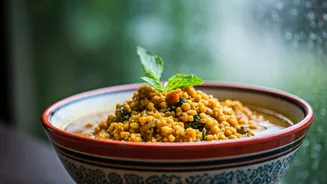
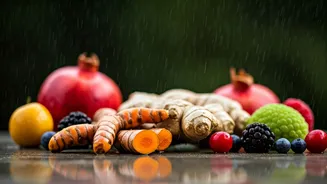
The golden rule for monsoon eating is to favour meals that are light, warm, and freshly cooked. Think of comforting bowls of moong dal khichdi, warm vegetable soups, and steamed dishes. [2, 11] Incorporating immunity-boosting spices is a simple yet powerful strategy. Ginger, garlic, turmeric, and black pepper have well-known antimicrobial and anti-inflammatory properties that help your body fight off infections. [23, 22] Seasonal vegetables like bottle gourd (lauki), bitter gourd (karela), and pumpkin are excellent choices as they are light and packed with nutrients. [23] When it comes to fruits, opt for seasonal picks like apples, pomegranates, plums, and pears. [15] These are rich in essential vitamins and antioxidants that strengthen your immune system.
Immunity-Boosting Drinks to Sip On
Hydration is key, but it's wise to be cautious about the source. Always drink boiled, filtered, or purified water. [15] Beyond water, warm beverages can be incredibly soothing and beneficial. A daily cup of homemade 'kadha' or herbal tea made with tulsi, ginger, cinnamon, and black pepper can work wonders for your immunity and help soothe a sore throat. [12] Another great option is 'haldi doodh' or turmeric milk before bed, a timeless remedy known for its healing properties. [3] While curd and buttermilk are good probiotics, some experts suggest consuming them during the daytime and ensuring they are fresh, as dairy can sometimes aggravate colds if consumed at night. [11, 22]
What to Reduce or Approach with Caution
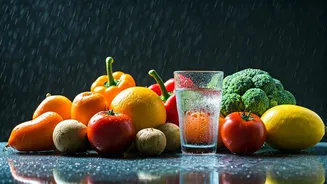
While cravings for fried snacks like pakoras and samosas are almost synonymous with rain, it's best to limit them. Fried and oily foods are heavy on the digestive system and can lead to bloating and indigestion. [4, 22] If the craving is irresistible, consider healthier cooking methods like baking or air-frying. [18] Street food, including chaat and juices, poses a high risk of contamination during this season and is best avoided. [5, 23] It's also wise to be careful with raw foods. Salads and pre-cut fruits may carry germs, so it's safer to stick to well-cooked meals. [10, 22] Leafy green vegetables like spinach and cabbage require extra attention; they must be washed thoroughly in clean water to remove dirt and microbes. [5, 10]
A Note on Meat and Seafood
The monsoon is the breeding season for fish and other seafood, which increases the likelihood of contamination and spoilage. [6] Many health experts and Ayurvedic practitioners advise limiting or avoiding seafood during these months to prevent food poisoning and stomach infections. [4, 23] If you do consume meat, it is better to opt for lighter preparations like chicken soups or stews rather than heavy, spicy curries, as these are easier for the body to digest. [4]