

Niagara Falls, Ontario
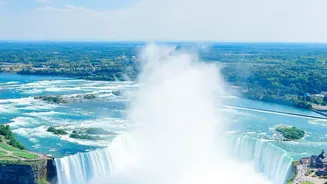
The raw power of millions of litres of water thundering over a cliff is undeniably breathtaking. Niagara Falls itself is a world-class natural wonder that leaves a lasting impression. However, many visitors find the experience is diluted by the atmosphere
immediately surrounding it. The Canadian side, particularly the Clifton Hill area, is frequently described as a tourist trap. It's a gaudy, neon-lit strip of wax museums, haunted houses, and overpriced arcades that can feel jarringly disconnected from the natural spectacle just steps away. While the falls are a must-see, travellers often report that the commercialism detracts from the overall visit. For a better experience, many suggest focusing your time on the falls themselves—perhaps via a boat tour or the Journey Behind the Falls—and then exploring the more charming and serene town of Niagara-on-the-Lake nearby.
Banff National Park, Alberta
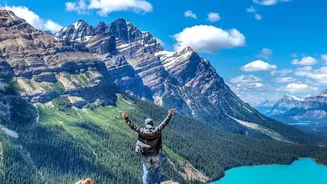
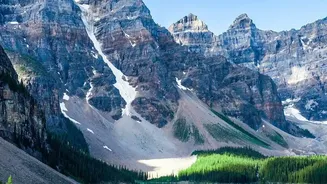
The turquoise lakes and majestic peaks of Banff National Park are the stuff of legend. Spots like Lake Louise and Moraine Lake offer some of the most stunning mountain scenery on the planet. The problem? Everyone knows it. In recent years, Banff has struggled with extreme overcrowding, especially during the summer peak season. Visitation numbers have soared, leading to major traffic congestion, overflowing parking lots, and trails that feel more like city sidewalks than wilderness paths. Finding a moment of peaceful connection with nature can be challenging when you're surrounded by crowds. Access to Moraine Lake is now restricted to shuttles and commercial vehicles to manage the traffic. To truly enjoy Banff, experts recommend visiting during the shoulder seasons (spring or fall), starting your day at sunrise to beat the tour buses, or exploring lesser-known trails away from the main attractions.
Capilano Suspension Bridge, British Columbia
Walking 70 metres above the Capilano River on a 137-metre-long bridge is a thrilling experience for many. The park, located just outside Vancouver, also includes a Cliffwalk and a Treetops Adventure, offering unique perspectives of the coastal rainforest. However, the most common complaint from travellers is the steep price of admission. With adult tickets costing a significant amount for what can be a relatively short visit, many question the value. The bridge and platforms can also become extremely crowded, which can diminish the sense of being immersed in nature. For those on a budget or seeking a more rugged, less commercialized experience, locals often recommend the nearby Lynn Canyon Park, which features its own suspension bridge and beautiful trails, completely free of charge.
Yonge-Dundas Square, Toronto
Often billed as Toronto's version of Times Square, Yonge-Dundas Square is a bustling hub of digital billboards, street performers, and public events in the heart of downtown. It is Canada's busiest pedestrian intersection and a focal point of the city's energy. But for many visitors, the comparison to its New York counterpart leads to disappointment. Critics describe it as a 'cheap imitation' that lacks the same scale and vibrancy. While it functions as a major gathering place, some find the concrete-heavy space to be uninspired, surrounded by generic chain stores and lacking genuine character or green space. Social issues are also prevalent in the area, which can be jarring for tourists. Instead of making it a primary destination, many suggest experiencing the square as a brief, high-energy stop while exploring more unique Toronto neighbourhoods like Kensington Market or Queen Street West.