



What Is El Niño Anyway?
El Niño is one phase of a natural climate cycle called the El Niño-Southern Oscillation, or ENSO. It begins with the unusual warming of the surface waters in the central and eastern Pacific Ocean, a change that can last for many months. This vast expanse
of warm water releases a tremendous amount of heat into the atmosphere, altering air pressure and disrupting the normal flow of tropical winds. These changes create a domino effect across the globe, influencing weather patterns far and wide through 'teleconnections'. For India, this typically means a weaker summer monsoon, as the atmospheric conditions that support rainfall are disturbed. However, its impact is not always straightforward and can interact with other climate phenomena.
Bracing for Searing Heat
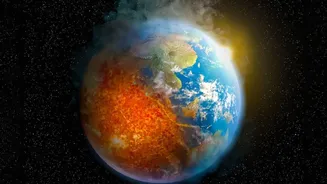
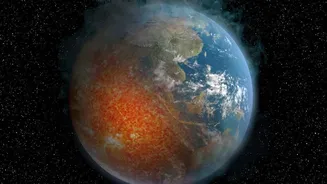
One of the most direct consequences of a strong El Niño is an increase in global temperatures, and India is right in the path of this impact. Forecasts from multiple agencies, including the World Meteorological Organization, indicate a high probability of above-normal temperatures across the Indian subcontinent. This raises the risk of more frequent and intense heatwaves, particularly during the pre-monsoon summer months. Historically, El Niño years are linked to more severe heatwaves in north, northwest, and central India. This poses a significant threat to public health, especially in densely populated urban areas, and puts a strain on energy grids as the demand for cooling skyrockets. These warmer conditions can also affect winter, leading to milder temperatures than usual in some parts of the country.
A Paradox of Erratic Rainfall
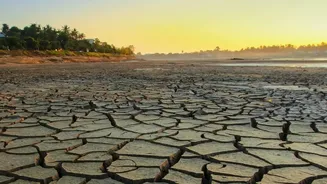
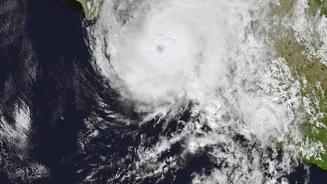
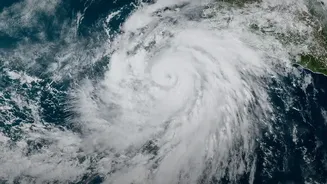
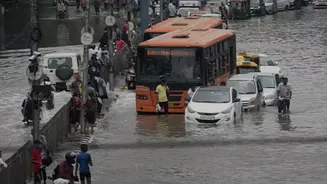
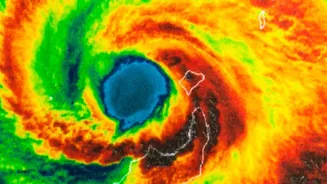
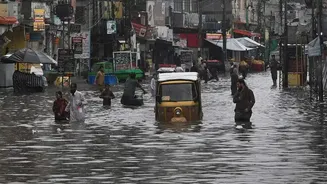
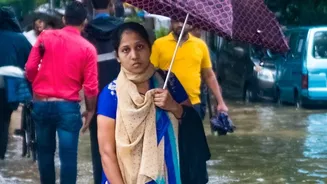
While El Niño is often synonymous with drought in India, the reality can be more complex. The headline's mention of 'heavy rainfall' points to a dangerous paradox. Although the overall southwest monsoon season may be weaker or drier, El Niño can also contribute to short, intense bursts of extreme rain. Recent forecasts for the winter season in the Hindu Kush Himalaya region, for example, suggest a possibility of above-normal rain and snowfall, which could increase the risk of localised floods and landslides in northern India. Furthermore, El Niño can influence cyclone activity in the Bay of Bengal, with some climate factors potentially affecting the tracks and intensity of post-monsoon storms. This creates a challenging scenario where some regions might grapple with water scarcity while others face sudden, destructive downpours.
Impact on Farms and Wallets
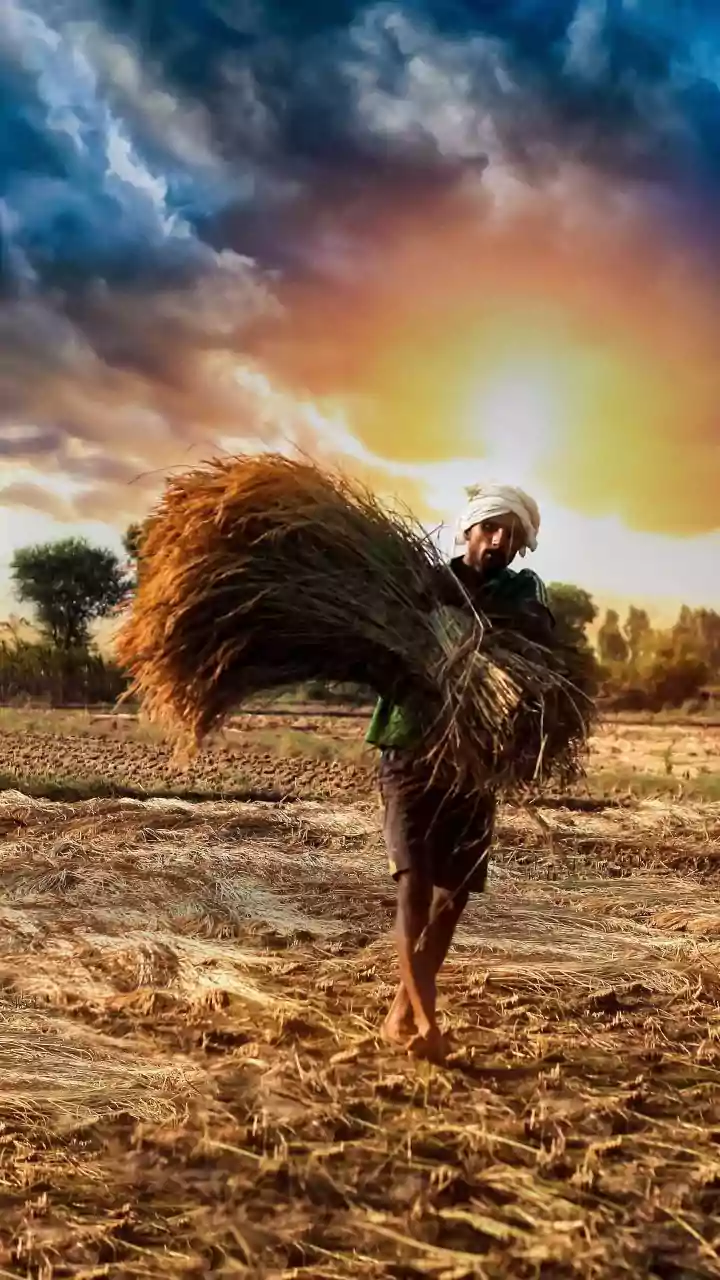
India's agriculture, much of which is rain-fed, is acutely vulnerable to El Niño's whims. A weaker monsoon can lead to significant rainfall deficits, threatening the yields of crucial kharif crops like rice, pulses, and oilseeds. This not only impacts farmer incomes but also has a ripple effect on the broader economy, potentially leading to food shortages and price inflation that affects every household. The erratic nature of rainfall adds another layer of risk, as sudden floods can destroy standing crops. Furthermore, reduced monsoon rains affect the replenishment of reservoirs, impacting water availability for irrigation during the rabi season, as well as for drinking water and hydropower generation.
How to Stay Informed and Prepared
Navigating the impacts of El Niño requires vigilance and preparation. It is crucial to stay updated with the latest forecasts and advisories from official sources like the India Meteorological Department (IMD). At a community level, implementing water conservation measures like rainwater harvesting can help mitigate the effects of a poor monsoon. For individuals, preparing for heatwaves is essential: stay hydrated, avoid strenuous activity during peak sun hours, and be aware of the symptoms of heat-related illness. Farmers can look to advisories for guidance on planting drought-resistant crop varieties or adjusting planting schedules. As a nation, robust early warning systems and disaster management plans are key to reducing the human and economic toll of extreme weather events.