






Understanding Mumbai's October Heat
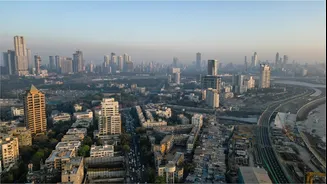
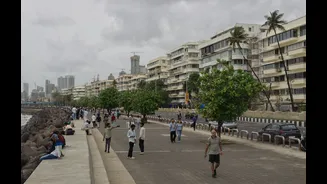
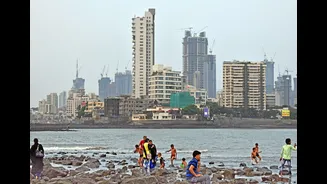
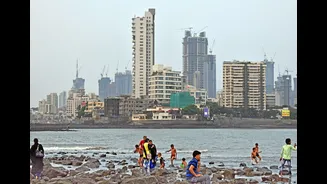
Just when Mumbaikars thought they could look forward to cooler days post-monsoon, the city has been gripped by what is notoriously known as the 'October heat'. This year, the heat has been particularly oppressive, with temperatures soaring to nearly 38°C,
several degrees above normal. This phenomenon is driven by a combination of factors. After the monsoon's withdrawal, clear skies allow for more direct and intense sunlight. Furthermore, an anticyclonic circulation over the region traps warm air near the ground, while a delayed sea breeze, which usually provides some afternoon relief, struggles to push inland. The result is a sweltering combination of high heat and stifling humidity, which can make it feel much hotter than the actual temperature and puts significant stress on the human body.
The Commuter's Daily Ordeal
While everyone feels the heat, Mumbai's commuters face a unique set of challenges that dramatically increases their risk of heat-related illness. The daily journey often involves long waits for buses and trains, often in areas with little to no shade. This is followed by travel in crowded compartments where ventilation is poor and body heat from fellow passengers adds to the already suffocating conditions. The physical exertion of navigating packed platforms and dense crowds is a workout in itself, causing the body to lose fluids and salts rapidly through sweat. This combination of prolonged exposure, physical strain, and an inability to cool down makes commuters exceptionally vulnerable to dehydration and exhaustion.
Know the Warning Signs
It's crucial to recognise the early symptoms of heat exhaustion before it escalates to a life-threatening heatstroke. Doctors across the city have reported a significant rise in patients with these issues. The initial signs are often dismissed as simple tiredness. Pay attention to heavy sweating, fatigue, dizziness, headache, and muscle cramps. You might also feel nauseous or unusually thirsty. Your skin might feel cool and moist despite the heat. More advanced symptoms include a weak but rapid pulse, confusion, and fainting. If someone exhibits confusion, loses consciousness, or has an extraordinarily high body temperature, it is a medical emergency requiring immediate help.
A Survival Guide for Your Commute
Preventing heat-related illness requires a proactive approach. The most important rule is to stay hydrated. Drink plenty of water throughout the day, even before you feel thirsty. Carrying a water bottle is non-negotiable. Consider adding oral rehydration solutions (ORS) to your bag to replenish lost salts and electrolytes. Opt for lightweight, loose-fitting cotton clothing in light colours to help your body stay cool. Whenever possible, use an umbrella or a cap to shield yourself from direct sun while waiting for transport. If you can, try to plan your travel to avoid the peak heat hours between noon and 4 pm. If you start to feel dizzy or weak, find a cooler, shaded spot immediately, rest, and rehydrate. Do not try to 'push through' the symptoms.
Official Advisories and Expert Advice
In response to the rising temperatures, civic bodies like the Panvel Municipal Corporation have issued advisories urging citizens to take precautions. The India Meteorological Department (IMD) has also issued heatwave warnings for the city. Health experts are united in their advice: hydration is key. Doctors note that severe dehydration can not only cause fainting but can also impact kidney function. They strongly advise vulnerable groups—including children, senior citizens, and those with existing health conditions—to take extra care. The consensus is clear: listen to your body, take the heat seriously, and don't hesitate to seek medical attention if symptoms persist or worsen.