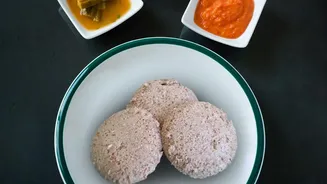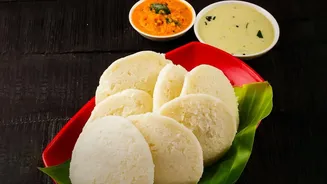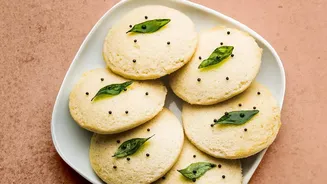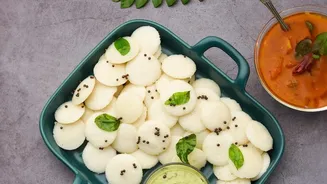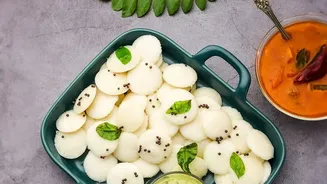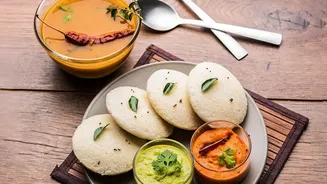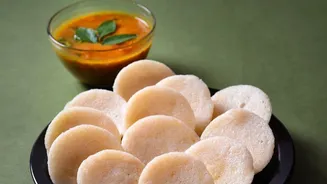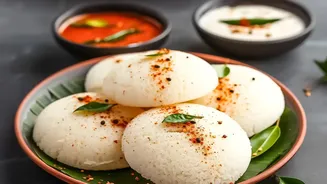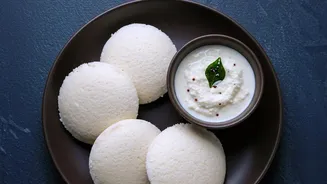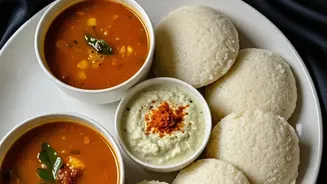







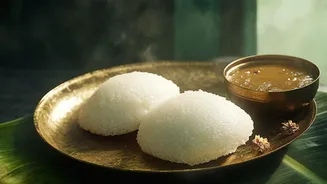
The humble idli is a breakfast champion, but what if you could make it even healthier without losing its soft, fluffy charm? Enter foxtail millet, an ancient grain that offers a nutritious, modern twist on this South Indian classic.
What Exactly is Foxtail Millet?
Foxtail millet, known
as 'thinai' in Tamil, 'kangni' in Hindi, and 'korralu' in Telugu, is a small, nutrient-dense ancient grain with a mild, slightly nutty flavour. It is one of the oldest cultivated millets and is making a huge comeback in modern Indian kitchens, celebrated for its versatility and impressive health credentials. Unlike rice, it's naturally gluten-free, making it an excellent choice for those with gluten sensitivity or celiac disease. Its taste is often described as the closest to rice among all millets, making it an easy and welcoming swap for families looking to start their millet journey.
A Nutritional Upgrade for Your Breakfast Plate
Swapping rice for foxtail millet in your idlis is more than just a change of ingredient; it's a significant nutritional boost. Foxtail millet has a low glycemic index (GI), typically ranging from 50 to 55. This means it releases sugar into the bloodstream slowly, preventing the sharp spikes associated with white rice, making it a particularly smart choice for managing blood sugar levels. It is also packed with dietary fibre, which aids digestion, promotes a feeling of fullness, and supports weight management. Furthermore, it is a good source of protein, iron, calcium, and essential minerals like magnesium, which contributes to heart and bone health.
Getting the Batter Right: Key Differences
Making foxtail millet idli batter is similar to the traditional process, but a few key details make all the difference. A common ratio is 2 cups of foxtail millet to 1/2 cup of urad dal, often with a teaspoon of fenugreek seeds to aid fermentation. Unlike rice, millet requires a shorter soaking time of about 4-5 hours. It’s best to soak the millet and dal separately, as they require different grinding techniques. Grind the urad dal first to a light, fluffy paste. Then, grind the soaked millet. The most common mistake is grinding the millet too smooth; it should have a slightly coarse, fine rava-like texture. Over-grinding millet can make the batter sticky and the idlis dense. Mix the two batters, add salt, and combine well.
The Science of Fermentation and Steaming
Millet batter can ferment faster than rice batter, especially in warmer climates, often becoming ready in 6-8 hours. Don't expect it to double in volume like traditional batter; a noticeable rise is sufficient. Once fermented, avoid over-mixing, which can knock the air out. The ideal consistency should be thick but pourable. If the batter is too watery, the idlis will be flat; if it's too thick, they can become hard. To cook, grease your idli moulds, pour in the batter, and steam for 10-15 minutes. A key tip is to let the idlis rest for a couple of minutes after steaming before de_moulding them, which helps them come out cleanly.
Taste, Texture, and Kid_Friendliness
So, how do they measure up? Foxtail millet idlis are incredibly soft and light, with a slightly denser and chewier texture than rice idlis. The flavour is mild and slightly nutty, which pairs beautifully with the usual accompaniments like sambar, coconut chutney, and podi. Many find that the taste difference is minimal, and the only noticeable change is the slightly off white or creamy colour of the idlis. Their gentle flavour and soft texture make them a hit with the entire family, including children, who may not even spot the healthy swap. It’s an easy way to introduce the goodness of millets into your family’s diet without any breakfast table battles.