



The Fiery and Tangy: Andhra Gongura Pachadi
Travel down to Andhra Pradesh, and you will find a love for food that is unapologetically bold and spicy. The star of this culinary landscape is Gongura Pachadi, made from sorrel leaves. These leaves have a distinctive sour taste that forms the base of this iconic
chutney. The preparation involves simmering the gongura leaves until they wilt and then grinding them with fiery roasted red chillies, garlic, and spices like cumin and mustard seeds. The result is a thick, tangy, and spicy paste that is nothing short of explosive. A small dollop mixed into hot steamed rice with a drizzle of ghee is a meal in itself, but it also brilliantly cuts through the richness of lentil dishes and curries, proving that a feast can be both simple and spectacular.
The Nutty and Earthy: Uttarakhand Bhangjeera Chutney
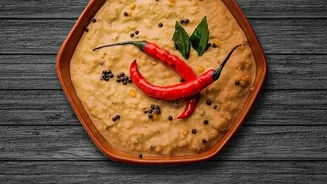
Nestled in the Himalayas, the cuisine of Uttarakhand is shaped by its rugged terrain and cool climate, relying on locally grown, resilient ingredients. One of the region’s most unique culinary gems is the Bhangjeera chutney. Made from roasted perilla seeds (bhangjeera), which are different from psychoactive bhang, this chutney has a rich, nutty, and slightly smoky flavour. The seeds are roasted until they pop, releasing their aroma, and then ground on a traditional stone slab with fresh coriander, green chillies, garlic, ginger, and a squeeze of lemon. Its thick, earthy texture and robust flavour are the perfect accompaniment to humble pahadi meals of dal, rice, and simple vegetable preparations, instantly adding warmth and complexity.
The Fresh and Cooling: Punjabi Pudina Chutney
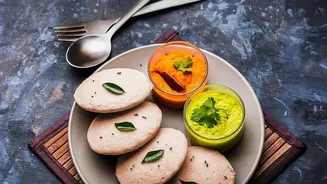
While familiar across India, the handcrafted Pudina (mint) chutney of a traditional Punjabi kitchen is a masterclass in fresh flavours. This isn't the watery condiment often found in restaurants; it's a thick, vibrant green paste bursting with the coolness of fresh mint and coriander leaves. What sets it apart is the use of tangy raw mango or anardana (dried pomegranate seeds) for sourness, balanced with onions, green chillies, and ginger. This chutney is an indispensable partner to hearty Punjabi fare. It provides a refreshing counterpoint to rich parathas, crispy samosas, and smoky tandoori snacks, cleansing the palate and aiding digestion. It's proof that even the most common chutney, when made with care, can be extraordinary.
The Coastal and Toasted: Kerala Thenga Chammanthi
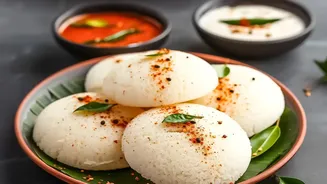
From the lush, coconut-rich coast of Kerala comes Thenga Chammanthi, a chutney that embodies the state's flavour profile. This is no ordinary coconut chutney. Its defining characteristic comes from roasting or toasting the coconut, which imparts a deep, nutty aroma. This toasted coconut is then ground with pearl onions (shallots), dried red chillies, a hint of tamarind for sourness, ginger, and fragrant curry leaves. Often bound with a touch of coconut oil, the resulting chammanthi is coarse, thick, and intensely flavourful. It is traditionally served with steamed rice or kanji (rice gruel), but it’s also a perfect side for idlis and dosas, transforming a simple breakfast into an authentic taste of the coast.
The Pungent and Umami: Nagaland Akhuni Chutney
For the adventurous palate, the Akhuni chutney from Nagaland offers a journey into the world of fermentation and umami. Akhuni, or Axone, is made from fermented soybeans and possesses a strong, pungent aroma and a deep, savoury flavour that is central to Naga cuisine. The chutney itself is a potent mix. To create it, the fermented soybean paste is mashed with fiery Naga king chillies (bhut jolokia), roasted tomatoes, garlic, and salt. The result is a powerhouse of flavour that is intensely spicy and savoury. It’s typically eaten in small quantities with steamed rice and boiled vegetables or meats, adding an incredible depth and a taste of the Naga hills to every bite.