





The Invisible Contaminant
First, what are we talking about? Microplastics are tiny plastic particles, officially defined as being smaller than five millimetres in length. They come from two main sources. Primary microplastics are those intentionally manufactured to be small, like
the microbeads once common in cosmetics. Secondary microplastics, which are far more common, are the result of larger plastic items—like bags, bottles, and synthetic clothing—breaking down over time due to sun, wind, and water. These particles are now found everywhere, from the deepest oceans to the air we breathe, and as research shows, they are also in the food we eat.
From Soil and Sea to Your Plate
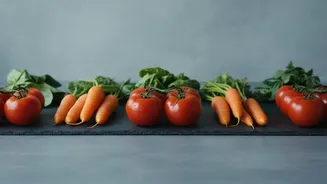
So how do these particles end up in our food? The pathways are more complex than you might think. For years, the focus was on seafood. Marine animals often mistake small plastic particles for food. These plastics then travel up the food chain, from small fish to larger predators, eventually ending up on our dinner tables. Mussels, clams, and oysters are particularly susceptible as they filter large volumes of water, accumulating plastics in the process. But new research highlights a significant land-based route. Microplastics contaminate soil through plastic mulch, decomposing litter, and even sewage sludge used as fertiliser. Recent studies show that plants, including common produce like lettuce and carrots, can absorb these tiny particles through their roots and transport them into the edible parts of the plant.
What Foods Are Most Affected?
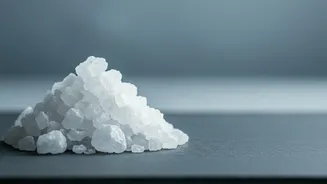
The list of foods found to contain microplastics is growing and may be surprising. Seafood, especially shellfish, remains a significant source. However, scientists have now detected microplastics in a wide array of everyday items. Studies have found particles in honey, beer, and both rock and sea salt. Even our fruits and vegetables are not immune, with research confirming the presence of plastics in produce like apples and carrots. Bottled water has also been identified as a major source, with one analysis finding that 93% of bottles from major brands contained microplastics. The contamination can also happen during processing and packaging, as plastic containers and utensils can shed particles into food.
Why It Matters: The Health Question
This is the critical question: what does consuming plastic mean for our health? The scientific community is actively investigating, and while there are no definitive long-term conclusions for humans yet, the initial findings are concerning. Animal studies have linked microplastic exposure to inflammation, cellular damage, and hormonal disruption. In humans, these tiny particles can cross the gut barrier and travel to organs like the liver, and have even been found in blood, lungs, and brain tissue. Scientists are worried about two main threats: the physical damage the particles themselves might cause and the chemical threat. Plastics can absorb and carry harmful pollutants like heavy metals and pesticides, essentially acting as toxic delivery systems within the body. A recent study even found that people with microplastics in their arteries were significantly more likely to suffer a heart attack or stroke.
Beyond Personal Choice
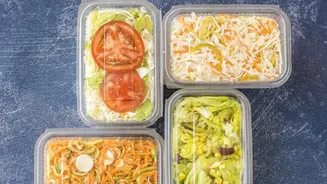
While it's nearly impossible to completely avoid microplastics, being aware is the first step. Some experts suggest simple measures like filtering tap water, prioritising fresh, unprocessed foods, and avoiding heating food in plastic containers to reduce exposure. However, this issue goes far beyond individual actions. The pervasive nature of microplastic contamination points to a much larger, systemic problem of global plastic pollution. From the 8 million tonnes of plastic that enter the oceans annually to the fibres shed from our clothing with every wash, the sources are vast. Addressing the root cause will require significant changes in how we produce, use, and dispose of plastic, including better waste management and a fundamental shift towards more sustainable materials and manufacturing practices.