

The Monsoon Advantage for Herbs
After months of intense heat, the monsoon provides a much-needed respite for plants. The cooler temperatures reduce stress, while the increased humidity helps keep leaves hydrated. Natural rainwater is a significant boon; it's softer than treated tap
water and free from chemicals that can build up in soil. This gentle watering washes away residue, allowing roots to absorb nutrients more effectively. The overcast skies provide diffused sunlight, which is ideal for many herbs, preventing the scorching that can happen with harsh, direct sun. This combination of factors encourages faster root development and healthier, more vigorous leaf growth.
Best Herbs for Your Monsoon Garden
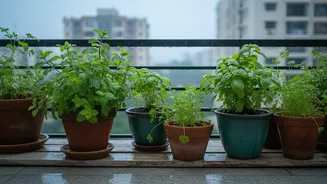
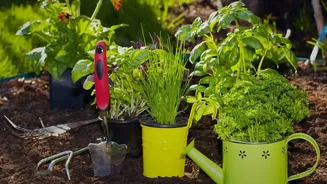
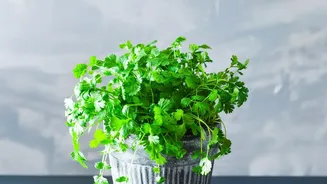
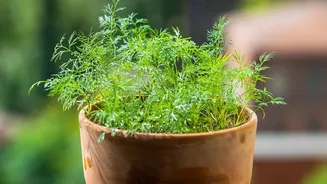
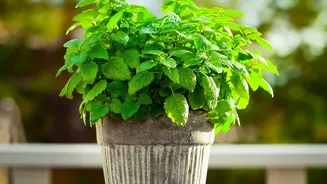
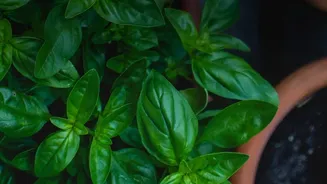
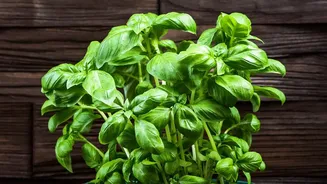
Not all herbs are created equal when it comes to handling the rainy season. Some varieties thrive in the moist, humid conditions. Mint (Pudina) is exceptionally well-suited, as it loves consistently moist soil and spreads quickly. It's best grown in its own wide container to control its aggressive growth. Holy Basil (Tulsi) is another robust choice that does well in pots, valued for its immunity-boosting properties. Coriander (Dhaniya) flourishes in the cool, moist weather, making it perfect for a kitchen garden. Other excellent choices include Lemongrass, Curry Leaves, and Ginger, all of which see a surge in growth during this period.
The Critical Role of Drainage
The single most significant threat to a balcony garden during the monsoon is overwatering, which leads to root rot. Your first line of defence is ensuring every pot has adequate drainage holes. If a pot's holes get clogged, water will stagnate and suffocate the roots. You can improve drainage by adding a layer of gravel or broken pot pieces at the bottom before adding soil. It’s also wise to elevate your pots on stands or bricks. This simple step lifts the pot off the ground, allowing excess water to escape freely and ensuring air can circulate underneath, which is crucial for root health.
Smart Watering and Soil Management
With the rain providing natural irrigation, you must adjust your watering schedule. Sticking to a daily summer routine is a common mistake that leads to waterlogged soil. The best approach is to check the soil manually. Poke your finger about an inch into the soil; if it feels damp, hold off on watering. The type of soil you use is also important. A light, well-aerated potting mix is ideal. You can amend regular garden soil with sand or coco peat to prevent it from becoming compacted by heavy rains. This ensures that even when the soil is wet, the roots can still get the oxygen they need to thrive.
Guarding Against Pests and Fungi
High humidity creates the perfect breeding ground for fungal diseases like powdery mildew and pests. Good air circulation is key to prevention. Avoid overcrowding your plants; give them enough space so that air can move freely between the leaves. Regularly prune your herbs, removing any yellowing or dead leaves, especially near the base of the plant. This not only improves airflow but also directs the plant's energy towards producing healthy new growth. For a natural and effective pest deterrent, a simple spray made from neem oil can help protect your plants from common monsoon ailments.