





The word 'calorie' is everywhere, but what does it really mean for our food, our bodies, and our planet? Science Gallery Bengaluru is tackling this question with a groundbreaking exhibition that goes far beyond simple nutrition labels.
More Than Just a Number
While the headline
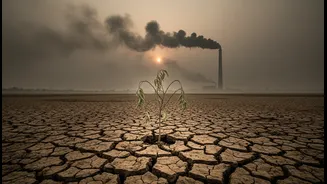
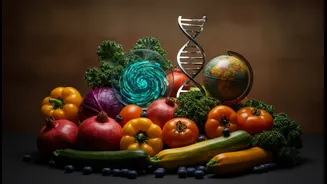
might suggest a focus on calories, the exhibition, titled 'CARBON', takes a much broader and more profound approach. It reframes our understanding of carbon, moving it away from being just a villain in the climate change narrative. Instead, it presents carbon as the fundamental element of life, connecting everything from distant stars to the food on our plates. The exhibition aims to spark curiosity and challenge our perspectives, making us think differently about the very building blocks of our existence. Through more than 35 interactive exhibits from local and international artists and researchers, 'CARBON' delves into our complex and often contradictory relationship with this essential element.
Where Art and Science Collide
Imagine seeing a portrait of Bengaluru's sky printed with ink made from the city's own air pollution. This is just one of the thought-provoking installations on display. Created by artist Anaïs Tondeur, the work makes the invisible threat of air pollution tangible and personal. Another exhibit features a discarded plastic chair being slowly consumed by Mycelium, the root network of fungi, offering a powerful visual commentary on waste and decomposition. Visitors can also experience 'Allotropy of Mine' by Daniela Brill Estrada, which displays the precise amount of carbon in a human body, separated into glass jars, prompting questions about what separates living matter from non-living matter. These installations are not just meant to be observed; they are designed to be experienced, with mediators on hand to facilitate dialogue and encourage questions.
Food for Thought
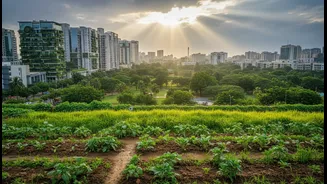
The exhibition directly connects these larger ideas about carbon back to our daily lives through the lens of food. As part of the 'CARBON' season, the gallery hosted a food festival called 'Namma Oota' (Our Food). This event explored carbon's journey from the soil to our kitchens, highlighting sustainable farming, the science of cooking methods like grilling and smoking, and the importance of a low-carbon lifestyle. The festival provided a platform for conversations about creating more sustainable food systems, featuring workshops on everything from coffee to composting. By linking the abstract science of carbon to the tangible experience of eating, the gallery makes concepts like food literacy and sustainability accessible and engaging for everyone. It moves the conversation beyond just counting calories to understanding the entire ecosystem our food comes from.
A New Model for Public Engagement
Science Gallery Bengaluru is part of a global network dedicated to bridging the gap between research and the public. Rather than a traditional museum model of top-down communication, the gallery fosters a two-way exchange of ideas. Its mission is to move beyond simple 'science communication' to active 'public engagement', creating a space where anyone can explore complex topics without needing a scientific background. The 'CARBON' exhibition season, which includes the main exhibition, workshops, and film festivals, exemplifies this approach. By being free to the public and presenting information in both English and Kannada, the gallery ensures its work is accessible to the widest possible audience, sparking curiosity and encouraging a more informed public dialogue.