



The Royal Thali: A Ghee-Drenched Affair
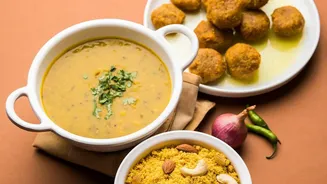
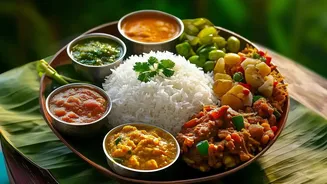
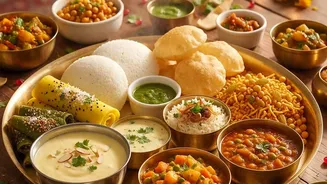
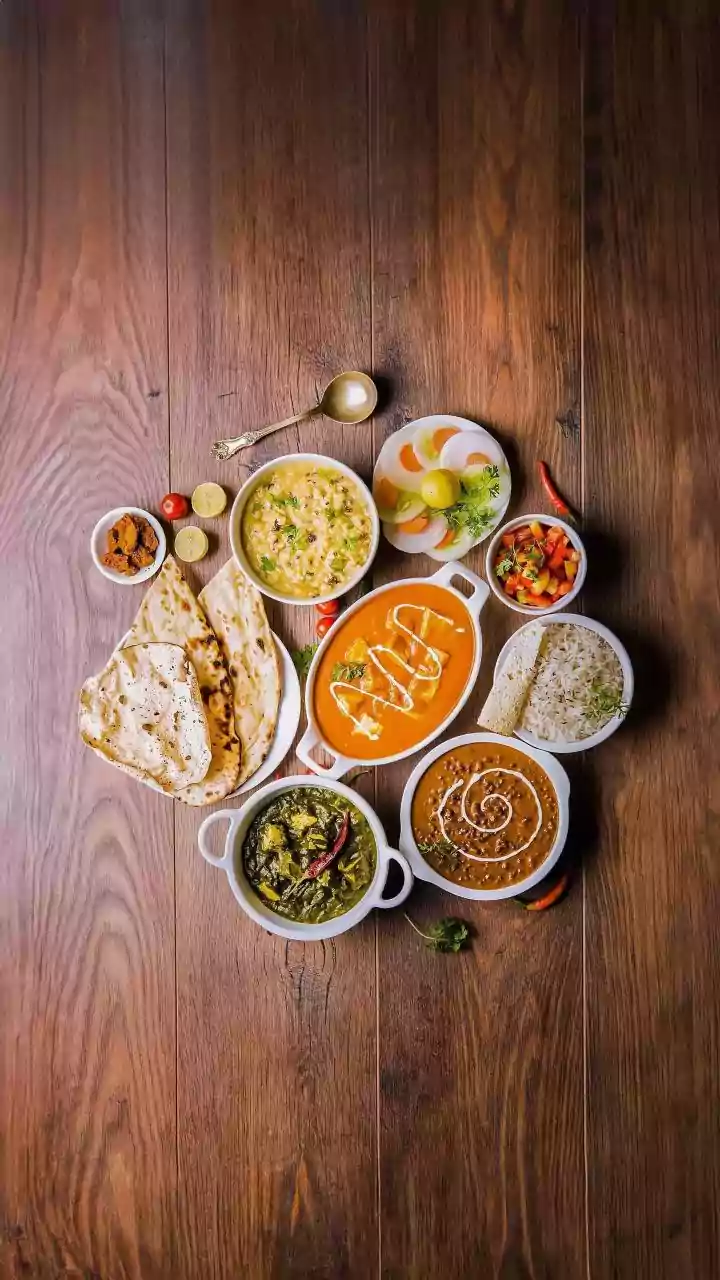
To understand Rajasthan on a plate, one must start with its magnificent vegetarian thali. This is not just a meal; it is a grand, platter-based tour of the region’s most iconic tastes and textures. Central to this experience is Dal Baati Churma, a dish
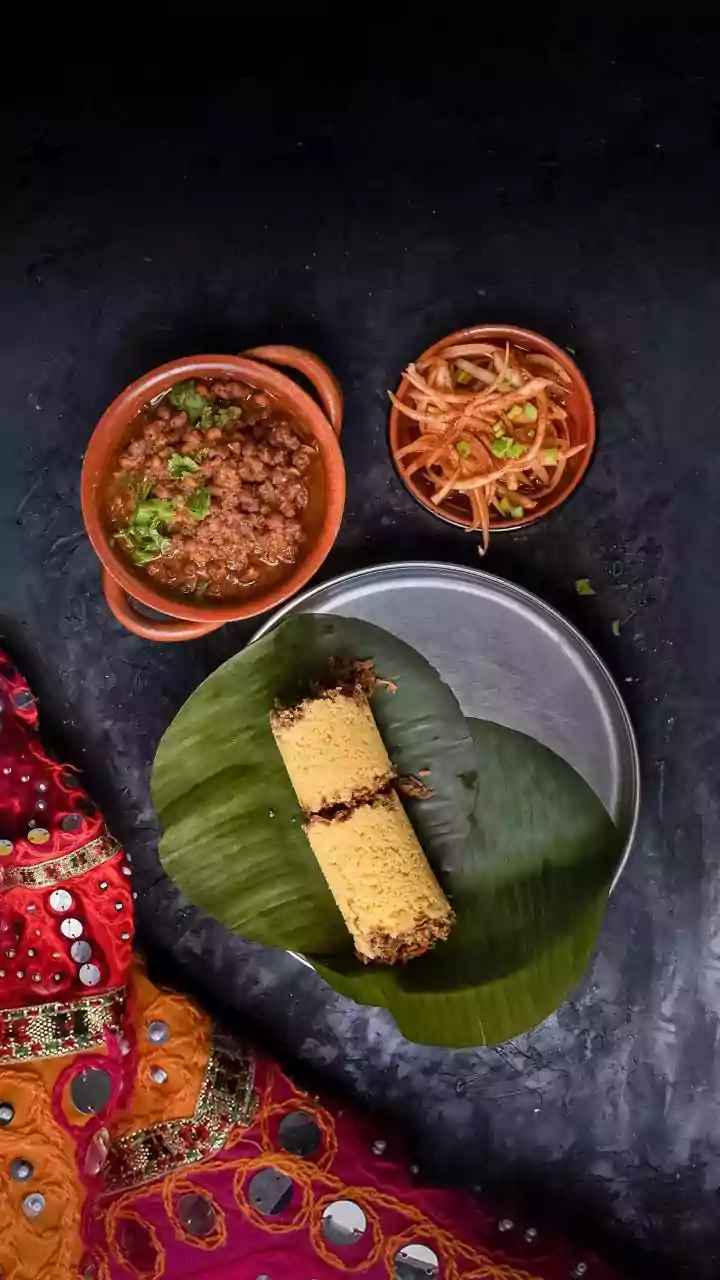
with roots in the war-torn history of Mewar. Baatis are hard, unleavened wheat rolls traditionally baked in desert sands or over dung-fire embers, a method that ensured they would last for days. These dense balls are cracked open and drowned in generous amounts of ghee before being eaten with dal, a spicy lentil curry. The churma, a sweet counterpart, is made by crumbling the baati and mixing it with jaggery and more ghee, creating a perfect balance of savoury and sweet. Beyond this trio, a thali may feature Gatte ki Sabzi (steamed gram flour dumplings in a tangy yoghurt curry), Panchmel Dal (a mix of five lentils), and Bajre ki Roti, a healthy millet flatbread often paired with a fiery garlic chutney. The lavish use of ghee is no mere indulgence; in a land historically scarce of water, it provided essential energy and preservation.
Ghevar: The Honeycombed Delicacy
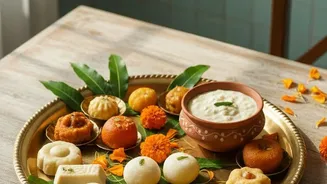
No Rajasthani feast is complete without a taste of its signature sweet, Ghevar. This disc-shaped dessert is a work of art, boasting a delicate, honeycomb-like texture. It is made by drizzling a batter of flour and ghee into hot oil, layer by layer, to form a porous lattice structure that is then soaked in sugar syrup. While it might appear complex, its ingredients are simple, yet the technique is what defines its unique crispness and ability to hold syrup without becoming dense. Ghevar is traditionally associated with the monsoon festivals of Teej and Raksha Bandhan, which fall in the month of Shraavana. It is a symbol of celebration and familial bonds, often gifted by parents to their newly married daughters to ensure their new homes are filled with sweetness and prosperity. You can find several variations, from plain Ghevar to those topped with malai (clotted cream), rabri (thickened sweet milk), or slivered nuts, each adding another layer of richness to this iconic sweet.
Crispy Chronicles: Savoury Street Snacks
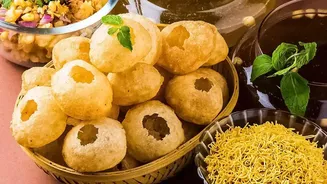
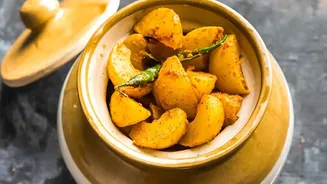
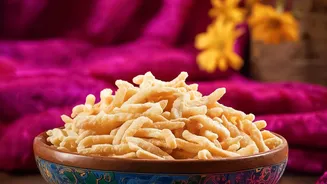
While thalis and sweets represent the grandeur of Rajasthani dining, its street snacks reveal the state's vibrant, everyday pulse. Originating from Jodhpur but beloved across the state, Pyaaz ki Kachori is a must-try. This deep-fried pastry is filled with a spicy, caramelised onion mixture that provides a flavour explosion with every bite, especially when paired with sweet and tangy chutneys. Another fiery favourite is the Mirchi Vada, a large green chilli stuffed with a spicy potato filling, coated in gram flour batter, and fried to golden perfection. It’s a snack that delivers a satisfying kick of heat. For something a little different, Kalmi Vada offers a crunchy delight made from a blend of ground lentils and spices, often served with a refreshing mint chutney. And one cannot forget Bhujia, the famous crispy noodle-like snack made from gram flour, which has become a household name far beyond Rajasthan's borders. These snacks are a testament to the region's love for bold, savoury flavours and are an essential part of the local culinary experience.
A Cuisine Shaped by the Land
The uniqueness of Rajasthani food is deeply rooted in its geography and history. The arid climate, scarcity of fresh water, and limited availability of fresh green vegetables shaped a cuisine that relies heavily on lentils, millets, beans, and gram flour. Many dishes were designed to last for several days without reheating, a necessity in a region known for its long, arduous journeys and wartime past. This practicality led to the creation of sun-dried vegetables like Ker Sangri and long-lasting pickles. The cuisine is predominantly vegetarian, a legacy of the influential Marwari community, but the use of rich ingredients like ghee, milk, and buttermilk is widespread, providing sustenance and flavour. This resourcefulness, born out of necessity, has resulted in a culinary tradition that is both robust and remarkably diverse, turning simple, hardy ingredients into unforgettable meals.