

Decoding the Dates on Frozen Food
Confusion over date labels contributes to a significant amount of food waste. Labels like "Best By," "Best if Used By," or "Sell By" are provided by manufacturers as a guide to peak quality. They indicate when a product will have the best flavor and texture.
With the exception of infant formula, these dates are not federally regulated for safety. A "Freeze-By" date is simply a suggestion for when to freeze an item to maintain its optimal quality. It is not a deadline for safety. Understanding this distinction is the first step toward wasting less food and saving money.
The Science of Safety: Quality vs. Spoilage
Freezing is one of the most effective ways to preserve food because it puts microbes, such as bacteria and mold, into a dormant state. As long as your freezer is set to 0°F (-18°C) or below, food will remain safe to eat almost indefinitely. The real issue over time is not danger, but a decline in quality. Moisture loss and exposure to air can affect the taste, color, and texture of frozen items. So while that year-old steak might be perfectly safe, it might not deliver the same dining experience as it would have after only a month in the freezer.
What About Freezer Burn?
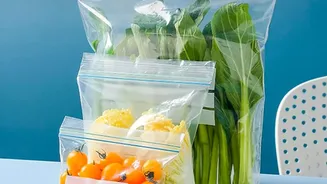
Finding ice crystals or discolored, leathery spots on your frozen meat or vegetables is common. This is freezer burn, and while it looks unappetizing, it is not a safety concern. Freezer burn is simply the result of food dehydrating due to air exposure. It can make food tough, dry, and less flavorful, but it is still safe to consume. You can often salvage the item by simply trimming off the freezer-burned portions either before or after cooking. To prevent it, focus on wrapping foods tightly in airtight containers or freezer bags to minimize contact with cold, dry air.
A Guide to Best Quality
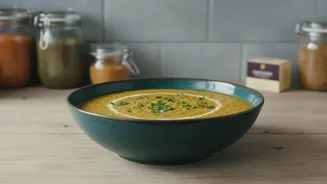
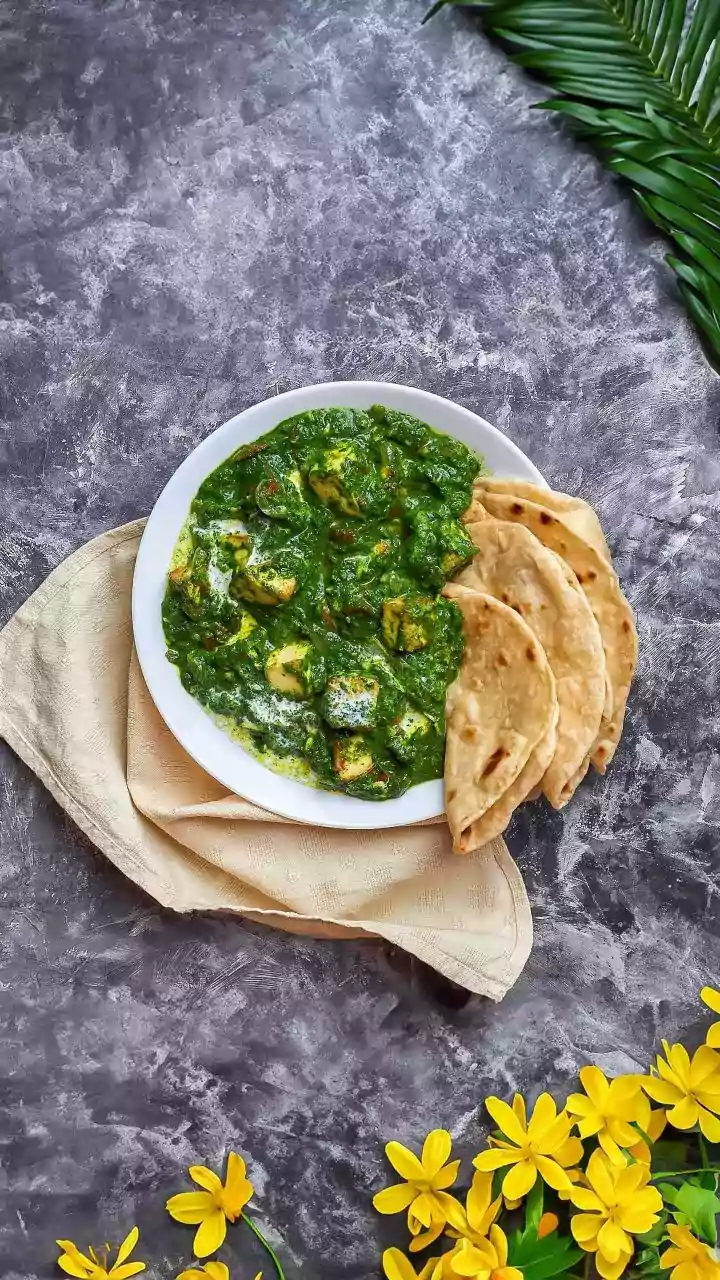
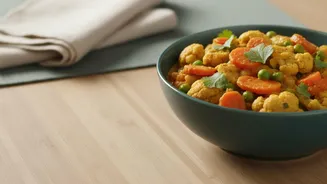
While safety isn't the concern, you still want your food to taste good. Storage times are therefore all about maintaining quality. As a general guideline, ground meats retain their best quality for about three to four months. Steaks, roasts, and chops can last from six to twelve months. Cooked meat and leftovers are best within two to six months. However, these are just suggestions for the best eating experience. If you find a well-wrapped item that has been frozen longer, it will still be safe. You might just want to use it in a flavourful dish like a stew, soup, or curry where the texture is more forgiving.
When You Should Actually Toss It
There are times when frozen food must be discarded. The primary concern is if the food has thawed and been refrozen without your knowledge, which can happen during a power outage. If your freezer has been off and food has reached a temperature above 40°F for more than two hours, it should be thrown out. After thawing, always trust your senses. If the food has a rancid or off odor, or if its texture is slimy or sticky, it is no longer safe to eat and should be discarded immediately. Any evidence of spills from raw meat juices at the bottom of your freezer is also a red flag for contamination, warranting a cleanup and assessment of affected items.