






Why Checklists Fail Under Pressure
In theory, daily checklists are the backbone of a well-run kitchen, ensuring everything from food safety temperatures to station cleanliness is maintained. In reality, most checklists are designed for quiet moments, not the peak of a Saturday night rush.
When a team is focused on plating and firing orders, stopping to find a pen and tick a box feels like an interruption, not a part of the workflow. The traditional clipboard system often fails because it's treated as an administrative task separate from the core job of cooking. It becomes a chore to be completed before or after the rush, defeating the purpose of in-the-moment checks for things like food temperature and cross-contamination prevention. The failure isn't due to lazy staff; it's a failure of system design. When pressure mounts, any process that isn't seamlessly integrated into the natural flow of work is destined to be abandoned.
Integrate, Don't Interrupt the Flow
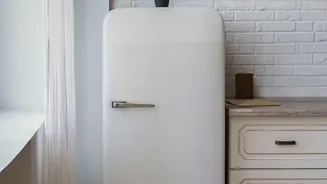
The secret to a checklist that survives a busy service is to stop thinking of it as a list and start thinking of it as a series of built-in habits. The most effective checks are integrated directly into existing tasks. For example, instead of a separate line item to "check fridge temps," train staff to glance at the thermometer every time they open the walk-in cooler. This transforms a periodic task into a constant, low-effort observation. Similarly, sanitising a surface shouldn't be a task to tick off; it should be the non-negotiable final step of preparing raw meat, every single time. By linking checks to specific actions, you remove the friction. The goal is to make safety and operational standards an inseparable part of the cooking process itself, rather than an external audit performed when time allows.
Designing a Resilient Checking System
A robust system is simple, clear, and focused on what truly matters during service. Start by identifying the 'Critical Control Points'—the handful of checks that have the biggest impact on safety and quality. This includes tasks like monitoring cooking temperatures, preventing cross-contamination, and ensuring hot-holding units are at the correct temperature. Keep the list short and visual. Use color-coded cutting boards and utensils for different food types to make cross-contamination prevention intuitive. Assign clear ownership for each check. When everyone is responsible, no one is. Make it a specific person's duty to, for instance, check and log final cook temperatures for proteins during their shift. This accountability is crucial. The checklist should be a tool that makes the job easier, not harder, by creating a predictable and safe environment.
Getting the Team to Buy In
A new system is worthless without team buy-in. It's not enough to simply post a new list and expect compliance. Leaders must explain the 'why' behind each check, connecting it directly to diner safety, food quality, and making their own jobs less stressful. Lead by example. When managers and head chefs consistently follow the procedures and refer to the checks, it signals their importance to the entire team. Involve staff in the creation of the checklists; they are on the front lines and often have the best insight into what works and what doesn't. Training should be ongoing, not a one-time event. Regular, brief refreshers during pre-shift meetings can keep standards top of mind and allow for course correction before bad habits form.
Using Simple Tech to Your Advantage
Technology can be a powerful ally in making checks stick. Digital checklist apps allow staff to complete tasks on a tablet or phone, with time-stamped entries that hold everyone accountable. These systems can send reminders for critical tasks and allow managers to see compliance at a glance, even from a distance. Automated temperature sensors for refrigerators and freezers can provide continuous monitoring and send alerts if a unit goes out of the safe temperature range, eliminating the need for manual logging and preventing costly spoilage. While tech isn't a replacement for a strong culture of safety, it can streamline documentation and free up your team to focus on what they do best: creating great food.