






Create a Master Menu and Shopping List
The single biggest cause of budget overruns is impulse buying. Before you spend a single rupee, sit down and plan every meal you intend to host or contribute to. List every dish, from starters to desserts, and then break them down into a detailed ingredient
list. This isn't just about what to cook, but how much. Portion planning is crucial to avoid waste; tools like serving size calculators can help you estimate how much food you really need for your number of guests. Check your pantry and freezer first for items you already have before creating your final shopping list. This simple step prevents you from buying duplicate ingredients and forms the foundation of your entire budget.
Shop Smart, Not Last-Minute
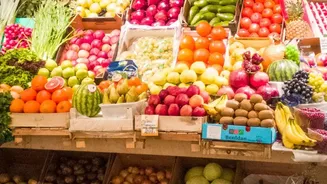
Timing your shopping trips can lead to significant savings. Essential staples with a long shelf life—like rice, atta, sugar, ghee, cooking oils, and dry fruits—should be purchased at least two weeks in advance. Prices for these high-demand items can climb by 10-15% in the final week before a major festival. For fresh produce, skip the expensive supermarket aisles and head to your local mandi or weekly market. Seasonal vegetables are not only fresher and more flavourful, but also significantly cheaper. Perishables like vegetables, paneer, and milk should be bought only a day or two before they are needed to minimise spoilage and waste.
Embrace the Modern Potluck
Hosting doesn't mean you have to cook everything yourself. Potlucks are an increasingly popular way for Indian households to entertain, sharing the load and the cost. The key to a successful potluck is coordination. To avoid ending up with three types of biryani and no starters, take charge of the menu. Create a shared list on WhatsApp or a Google Sheet, dividing the meal into categories like starters, mains (veg/non-veg), sides, and dessert. Assign guests to a category rather than a specific dish to give them creative freedom while ensuring a balanced spread. As the host, your responsibility is the space and the essentials—plates, cutlery, and water—while everyone else contributes to the feast.
Cook More, Buy Less Prepared Food
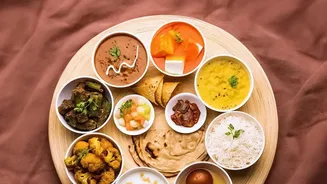
Ready-made snacks and store-bought sweets are convenient, but they come at a premium, especially during the festive rush. One of the most effective ways to cut costs is to prepare these items at home. Homemade mithai, chakli, samosas, and other savouries are not only cheaper but also allow you to control the quality of ingredients and customise flavours to your family’s liking. Cooking in bulk can also be a smart strategy; making larger batches of a curry or snack base that can be used for multiple meals saves both time and money. It takes more effort, but the savings and the satisfaction of a truly homemade festive spread are well worth it.
Plan for the Aftermath: Leftovers
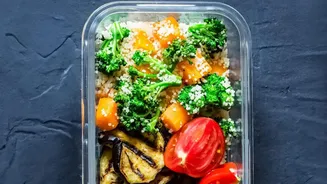
Even with perfect planning, leftovers are often a reality of festive meals. A good budget strategy includes a plan for what to do with them to prevent food from turning into financial waste. Before the big meal, ensure you have enough storage containers ready. You can even encourage guests to bring their own containers to take some food home. Get creative with reinventing what's left. Leftover roast vegetables can become a soup or frittata, while extra meat can be used in sandwiches or curries for the following days. Freezing portions for future meals is another excellent way to extend the life of your festive food and get the most value from every rupee you spent.