





The Monsoon Gardener's Dilemma
For urban gardeners in India, the monsoon is a double-edged sword. The season promises growth and vitality, but the relentless downpour often leads to a common plant killer: overwatering. When pots become waterlogged, roots are deprived of oxygen, leading
to root rot. This condition can cause yellowing leaves, mushy stems, and ultimately, the death of a cherished plant. Furthermore, the constant dampness creates a breeding ground for fungal diseases and pests, while the force of heavy rain can damage delicate leaves and flowers, and wash away essential soil nutrients. Simply moving plants is not always an option, especially with larger pots or limited indoor space.
Enter Modular Rain-Proofing Barriers
The term might sound technical, but the concept is simple and brilliant. Modular rain-proofing barriers are not a single product, but a category of flexible, customisable shields designed to protect your plants from excessive rain. The 'modular' aspect means they can be adjusted, combined, or reconfigured to fit your specific balcony setup. Think of them as a temporary raincoat for your garden, allowing you to control the amount of water your plants receive. These solutions range from commercially available panels and screens to clever do-it-yourself setups, providing a practical way to manage monsoon woes.
Key Benefits of Strategic Shielding
The primary advantage of using rain barriers is the prevention of root rot. By deflecting the direct, heavy impact of rainfall, you allow the soil to drain properly, ensuring roots can breathe. This targeted protection helps maintain the delicate balance of moisture your plants need to thrive. Shielding also protects the foliage of sensitive plants from physical damage caused by forceful raindrops. It helps preserve the soil structure and prevents beneficial nutrients from being leached out of the pot with every downpour. Moreover, by keeping the soil from becoming overly saturated, you make the environment less inviting for fungus and pests that flourish in damp conditions.
Types of Barriers to Consider
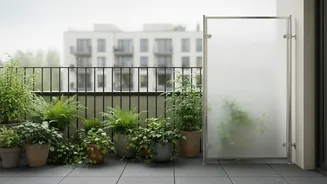
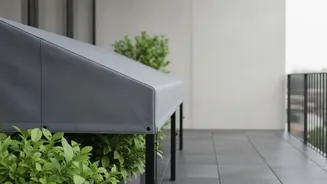
There are several ways to implement a modular barrier system. Off-the-shelf options include clear polycarbonate or acrylic sheets that can be mounted on simple frames. Some gardeners use waterproof balcony screens or outdoor blinds, which can be rolled down during heavy rain. Retractable awnings offer a more permanent, high-end solution. The key is flexibility; you want a barrier that blocks rain but still allows for crucial air circulation and can be easily removed or adjusted on drier, overcast days to give plants access to indirect light. Even simple tarps with grommets, strategically angled over plants, can be highly effective.
Simple and Effective DIY Solutions
You don't need to spend a lot to protect your plants. Many effective barriers can be created with materials from a local hardware store. A simple frame made from PVC pipes can support a sheet of clear plastic, creating a custom-sized 'roof' for a section of your balcony. Some inventive gardeners fashion individual covers for pots using plastic trays or by wrapping the top of the pot with a waterproof sheet, like a polythene garbage bag, secured to prevent it from blowing away. The goal is to create a barrier that diverts water away from the pot's soil, preventing it from becoming a soggy mess while still allowing the plant to breathe.