





An 88-Minute Epic Battle
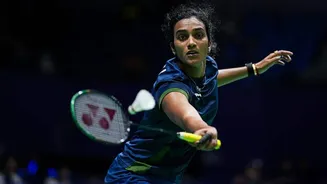
The pre-quarterfinal clash at New Delhi's Indira Gandhi Indoor Stadium was a high-stakes thriller from the start. After getting off to a slow start and losing the first game 11-21, PV Sindhu mounted a ferocious comeback. Backed by a roaring home crowd,
she found her rhythm, using her signature aggressive smashes to dominate the second game 21-15 and force a decider. The final game was a nail-biting affair, with both players trading punishing rallies and pushing each other to their physical limits. With the match finely poised, it set the stage for a dramatic and contentious finish that would overshadow the incredible display of skill.
The Flashpoint in the Final Game
The controversy unfolded deep into the deciding set. With the score locked at 16-16, Wang Zhi Yi collapsed to the court, clutching her leg with what appeared to be severe cramps. This led to a medical timeout which broke the tense rhythm of the match. She went down again shortly after, leading to another significant pause in play. These stoppages occurred at the most critical junctures, disrupting Sindhu's momentum just as the match was reaching its nail-biting conclusion. After the final break, Wang won five of the last six points to clinch the game 21-17, leaving fans and Sindhu herself questioning the nature of the interruptions.
Sindhu Questions the Stoppages
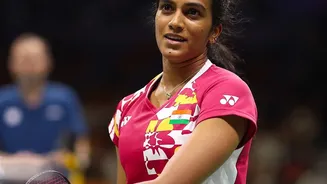
In her post-match comments, a visibly disappointed Sindhu did not hold back her doubts about the incidents. While she acknowledged her own need for more patience in the crucial final points, she openly questioned the timing and nature of her opponent's medical issues. "I don't know if she had an injury or what. Maybe that was her strategy or her way of doing it. You never know," Sindhu told reporters. She felt the interruptions were a turning point, stating that the last three points changed the game. Her comments highlighted the frustration of seeing the match's flow repeatedly broken at moments when she seemed to have the upper hand.
Wang's Defense and the Rules
From her side, Wang Zhi Yi insisted that the cramps were genuine and a result of the extreme physical exertion of the match. "I had to push myself hard, that's why I suffered cramps. I understand she (Sindhu) might have thought it at that moment but I was really injured that time," Wang said through an interpreter. According to badminton rules, the umpire has the discretion to allow for medical attention. While treatment for general fatigue or non-acute injuries is discouraged, cramps can fall into a grey area. The timeouts, while disruptive, were ultimately permitted by the officials on court, making them technically legal even if they felt strategically convenient. The situation highlights a fine line between using the rules to your advantage and the unwritten codes of sportsmanship.