





Choose Whole Grains
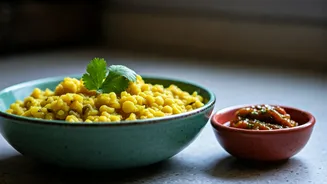
One of the simplest yet most effective changes is to swap refined grains for whole grains. Replace white bread, pasta, and rice with their whole-grain counterparts like 100% whole-wheat bread, brown rice, and oatmeal. Whole grains are excellent sources
of fiber, which helps manage blood pressure and can lower the bad cholesterol (LDL) that contributes to plaque buildup in arteries. Aim to make at least half of your daily grain intake from whole-grain sources to reap the heart-healthy benefits.
Embrace Healthier Fats
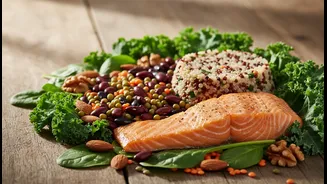
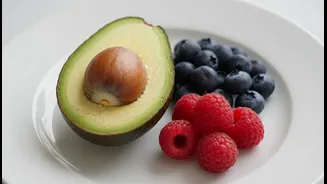
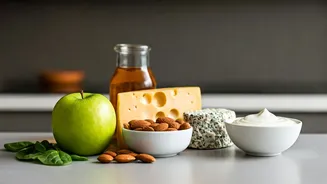
Not all fats are created equal. Reducing saturated and trans fats is crucial for heart health. These are typically found in fatty meats, full-fat dairy products, and many baked or fried fast foods. A simple swap is to use liquid plant oils like olive or avocado oil instead of butter or lard when cooking. For snacks and meals, incorporate foods rich in beneficial unsaturated fats, such as avocados, nuts, seeds, and fish like salmon, which is high in omega-3 fatty acids. These good fats can help improve cholesterol levels and support overall heart function.
Be Smart About Sodium
Excess sodium intake is a major contributor to high blood pressure, a significant risk factor for heart disease. While it's wise to put away the salt shaker at the table, much of our sodium intake comes from processed and canned foods like soups, frozen dinners, and condiments. A powerful small change is to start reading labels and choosing low-sodium or no-salt-added versions of your favorite products. Another great habit is to flavour your home-cooked meals with herbs, spices, and citrus juice instead of relying on salt.
Fill Half Your Plate with Color
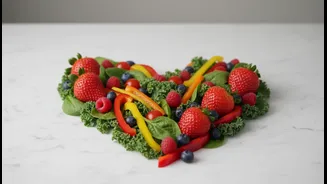
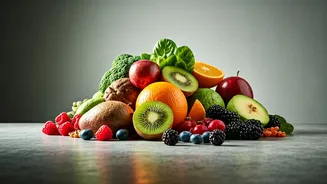
A visual and simple rule is to fill half of your plate at meals with fruits and vegetables. These foods are packed with vitamins, minerals, and antioxidants that help prevent heart disease. Leafy greens like spinach and kale are particularly beneficial, as are colourful choices like berries, tomatoes, and carrots. Keeping washed and cut vegetables in the fridge for quick snacks or keeping a fruit bowl on the counter can make this habit easier to adopt. Don't be afraid to use frozen or canned options, just look for those without added butter, sauces, or sodium.
Go Lean with Protein
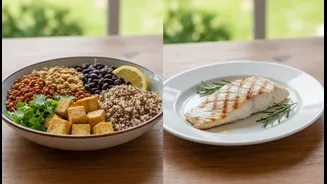
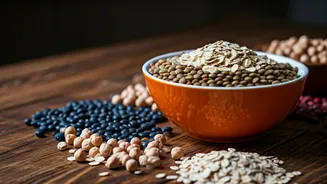
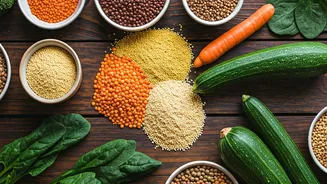
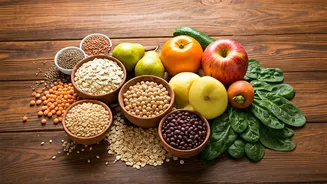
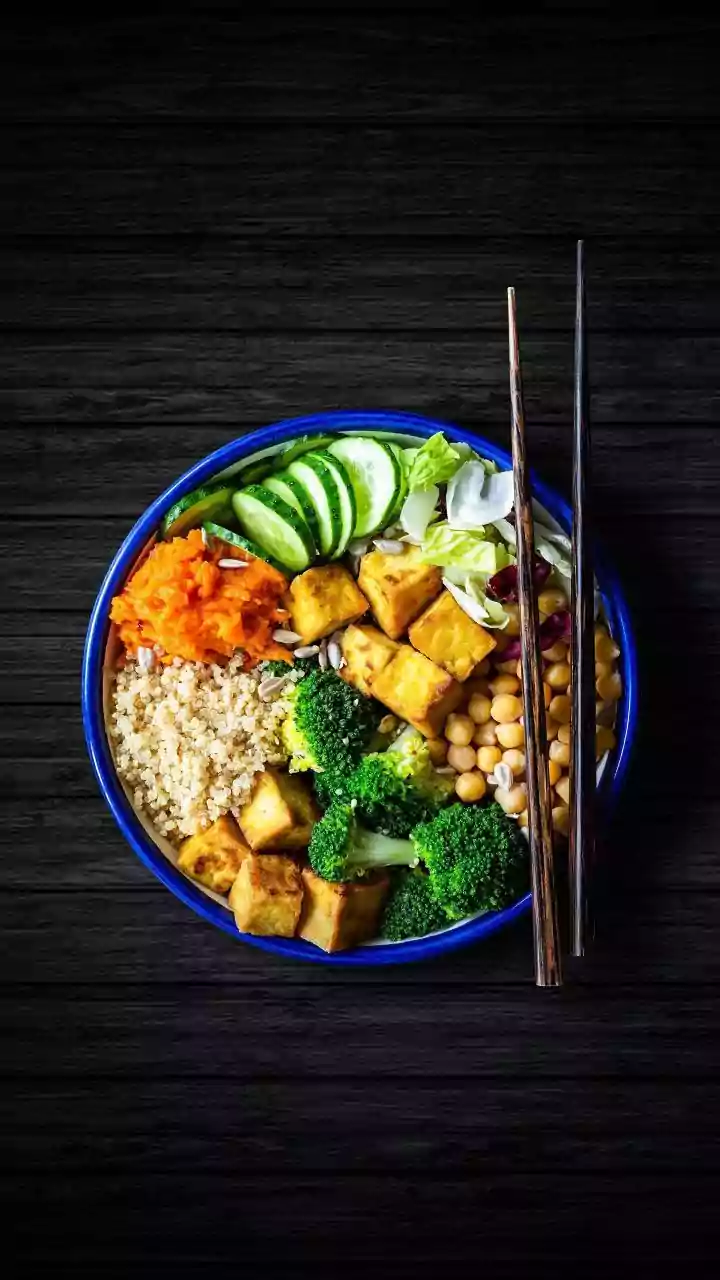
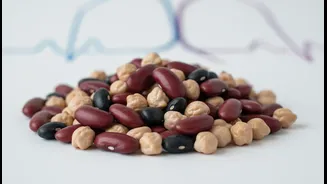
The source of your protein matters. Regularly eating processed meats and high-fat red meat has been linked with increased cardiovascular risk. Consider making small shifts towards leaner protein sources. This could mean choosing skinless poultry or fish a few times a week. Better yet, incorporate more plant-based proteins like beans, lentils, chickpeas, and tofu. These are not only free of cholesterol but are also high in fiber. Trying a 'Meatless Monday' can be a great way to start exploring delicious plant-based meals.
Rethink Your Drink
Sugary drinks like sodas, sweetened teas, and fruit juices can contribute to health issues that strain the heart. One of the most impactful small changes you can make is to limit these beverages and make water your primary drink. If you find plain water unappealing, try infusing it with fruit like lemon or cucumber. Unsweetened teas are also a great alternative. For dairy, opting for low-fat or fat-free milk and unflavored yogurts can provide essential nutrients without the excess saturated fat or added sugars.