




More Than Just a Meal
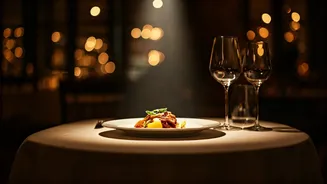
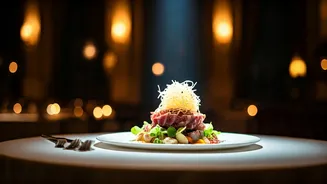
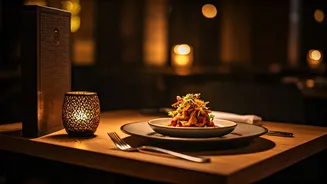
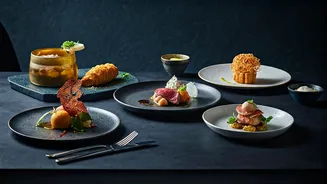
For generations, a great meal was judged by what was on the plate. But today, diners in India’s metro cities are seeking something more. They want an event, a story, an escape. This growing appetite for memorable moments has fueled the rise of immersive
dining, where food is just one element of a larger performance. Restaurants are now investing in concepts that blend gastronomy with art, music, and interactive storytelling to create a complete sensory journey. This shift reflects a broader change in consumer behaviour, where the experience of dining has become as important as the cuisine itself. Diners are no longer just consumers; they are the audience, and sometimes, even part of the show.
The Show on Your Plate
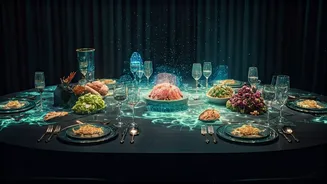
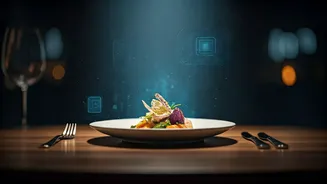
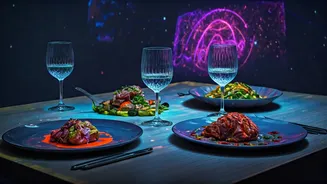
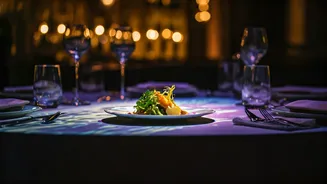
One of the most well-known examples of this trend is Le Petit Chef, an experience that has captivated diners in Delhi and Bengaluru. Using advanced 3D projection mapping, a tiny, 6cm-tall animated French chef appears to cook your meal directly on your tabletop. Your plate becomes a canvas, transforming into a farm or the deep sea as the miniature chef humorously battles oversized ingredients to prepare each course. Other concepts are more theatrical. In Delhi, Dramique offers a 'theatrical culinary experience' where live performers interact with diners, and the menu is designed to follow a dramatic arc. Similarly, experiences like 'New India Lodge' in Mumbai and Bengaluru transport guests back to the 1940s, making them characters in a story that unfolds between courses of a regional Indian meal.
A Feast for All Senses
At the heart of immersive dining is the idea of engaging all the senses. It’s not just about taste and sight. Sound, scent, and touch are all carefully choreographed to build a cohesive narrative. For instance, the 'Banquet of Hoshena' in Mumbai uses 3D imagery, illusions, and props, asking guests to whisper their fears into magical pouches as the meal progresses. At The Qube in New Delhi, a state-of-the-art LED wall displays rotating digital art that evolves in harmony with the meal. Even the design of the space tells a story, from the carnival-like atmosphere of Mumbai's Carnival by Trèsind to the botanist-inspired home setting of The Azulian House in Bengaluru. These elements combine to create an emotional connection, making the dinner a memorable event that people want to talk about and share.
The Future of Going Out
While these experiences often come with a premium price tag, their popularity signals a significant shift in India’s dining culture, driven by rising disposable incomes and exposure to global trends. Restaurateurs are recognising that a unique story or an interactive element provides a powerful competitive edge in a crowded market. This is not just about entertainment; it's smart business. By creating spaces that encourage social interaction and shareable moments, these establishments are building customer loyalty beyond just the food. As technology becomes more accessible and diners continue to seek out novel experiences, the line between restaurant, theatre, and art gallery will likely continue to blur. The plate is no longer just for food; it's a stage for imagination, and the performance is just getting started.