



For millions, contact lenses offer freedom from glasses. But this convenience comes with a critical responsibility: proper hygiene. The simple act of handling your lenses can introduce serious risks, especially when water is involved.
Why Water and Lenses Don’t Mix
It might seem harmless
to rinse a lens under the tap or jump in the shower while wearing contacts, but all forms of water—tap, pool, ocean, and even bottled—are unsafe for your lenses. Water is not sterile and can contain a host of microorganisms. One of the most dangerous is Acanthamoeba, a microscopic organism that can adhere to the surface of a contact lens. If it reaches the eye, it can cause Acanthamoeba keratitis, a rare but severe and extremely painful infection of the cornea that can lead to permanent vision loss. Beyond this specific risk, water can also cause soft contact lenses to change shape, swell, and stick to the eye, trapping germs and causing irritation or scratches.
The Crucial First Step: Hand Washing
Before you even think about touching your contact lenses, your hands must be impeccably clean. Hands are the primary vehicle for transferring dirt, oils, and germs directly to your lenses and, subsequently, your eyes. Failing to wash your hands properly is a significant risk factor for a range of issues, from minor irritation and corneal inflammatory events to serious infections. The U.S. Centers for Disease Control and Prevention (CDC) emphasizes that thorough hand washing is a fundamental step in any safe contact lens care routine. This simple habit is your first and most effective line of defense against potentially sight-threatening complications.
The Correct Hand-Washing Protocol
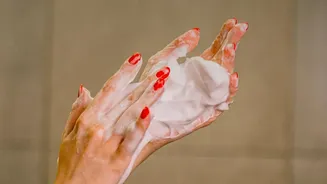
Simply running your hands under water isn't enough. To effectively remove harmful microbes, follow these steps every single time you handle your lenses. First, wet your hands with clean, running water and apply a mild, non-cosmetic soap. Lather thoroughly by rubbing your hands together. Be sure to scrub the backs of your hands, between your fingers, and under your nails for at least 20 seconds. Next, rinse your hands completely under running water to wash away all soap and debris. The final step is just as critical: drying. Dry your hands thoroughly with a clean, lint-free towel. Using a regular towel can leave tiny fibers on your fingertips that can transfer to your lens, causing irritation and discomfort once in your eye.
Hygiene Beyond Your Hands
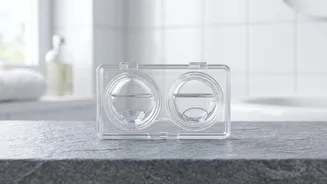
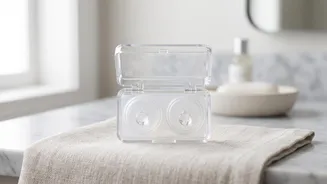
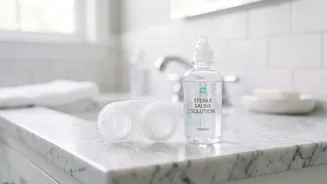
Excellent hygiene doesn't stop with hand washing. Your contact lens case is another potential source of contamination. Never use tap water to clean your case; instead, rinse it with fresh, sterile contact lens solution. After rinsing, leave the case open and upside down on a clean tissue to air dry completely. This prevents a moist environment where germs can thrive. It is also vital to replace your case at least every three months. Additionally, you should never 'top off' the solution in your case. Always discard the old solution entirely and fill the case with fresh disinfecting solution each time you store your lenses to ensure their disinfecting power is not reduced.
When to See Your Eye Doctor
Even with proper care, it's important to recognize the signs of a potential problem. If you experience any unusual eye pain, redness, blurred vision, sensitivity to light, or the persistent feeling that something is in your eye, you should remove your lenses immediately. Do not try to wait for the symptoms to improve. Contact your eye care professional right away for an evaluation. Delaying treatment for an eye infection can increase the risk of serious damage to your cornea and longterm vision problems. Always have a backup pair of glasses with an uptoate prescription available in case you need to remove your lenses unexpectedly.