








The Great Burnout Generation
Before understanding why they’re going to the Himalayas, you have to understand what they’re running from. Gen Z, born between the mid-1990s and early 2010s, inherited a world of perpetual connectivity, economic uncertainty, and immense social pressure.
They came of age with smartphones in hand, their social lives and self-worth often mediated through algorithms and curated online personas. Studies and surveys consistently paint a picture of a generation grappling with high levels of anxiety and depression, a phenomenon experts link to everything from social media pressure to climate anxiety and the shadow of student debt. Unlike previous generations who might have seen a stable career as the ultimate prize, some younger Americans are questioning the very definition of success. The traditional 9-to-5 grind, once a reliable path to security, is increasingly viewed as a recipe for burnout. For them, wealth is not just financial; it’s measured in time, freedom, and mental well-being. This creates a powerful incentive to opt out, even if only temporarily, from the system they feel is failing them.
The Allure of the 'Roof of the World'
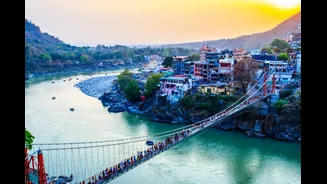
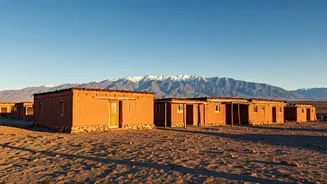
So why the Himalayas? The choice is not random. This is not a beach vacation in Cancun. The region, spanning across Nepal, Bhutan, and parts of India and Tibet, has long held a mythical status in the Western imagination as a center of spiritual wisdom and profound tranquility. It’s the home of Mount Everest, yes, but also of countless monasteries, yoga ashrams, and meditation centers. Towns like Rishikesh, known as the “Yoga Capital of the World,” or Dharamshala, the home of the Dalai Lama in exile, have become beacons for modern-day pilgrims. For a generation disillusioned with commercialized wellness fads, the Himalayas offer a sense of raw authenticity. It represents a radical break from the familiar. The crisp mountain air is the antidote to polluted cityscapes. The silence of a monastery is the antithesis of a notification-flooded phone. The physical challenge of a trek through the mountains becomes a metaphor for overcoming internal struggles. It’s a destination that promises not just a change of scenery, but a change of self.
What a 'Mental Reset' Actually Looks Like
The term “mental reset” is more than just a new buzzword for a vacation. For those who make the journey, the experience is structured around intentional disconnection and simple living. Days are often built around slow, deliberate routines far removed from the frantic pace of American life. A typical day might involve waking at sunrise for a yoga or meditation session, followed by a simple, locally sourced breakfast. Afternoons could be spent trekking to a nearby village, volunteering at a local school or farm, or simply reading in a hammock with a view of snow-capped peaks. While some are complete digital nomads, using sparse Wi-Fi to sustain freelance work, many are on a stricter digital detox. They are trading Instagram feeds for conversations with fellow travelers and local monks. This isn't about escaping work entirely, but about reframing one’s relationship with it. The goal is to strip away the non-essential, quiet the mental chatter, and rediscover a sense of purpose that can’t be found in a corporate mission statement or a viral TikTok video.
A Privilege or a Paradigm Shift?
It’s impossible to ignore the element of privilege involved. The ability to drop everything and fly to a remote part of the world for self-discovery is a luxury unavailable to most. Critics might dismiss it as a temporary, self-indulgent escape—a form of spiritual tourism that does little to address the root causes of their burnout back home. And for some, it may be just that. However, it can also be seen as a bellwether for a larger cultural shift. This trend, however niche, signals a powerful rejection of hustle culture and a deep yearning for a life with more meaning. The lessons brought back from these journeys—mindfulness, community-mindedness, the value of simplicity—may be influencing the expectations Gen Z has for the workplaces and communities they return to. They are sending a clear message: the old models of work and success are broken, and they are willing to travel to the other side of the world to find an alternative.