



Embrace the 'Buffer Day' Philosophy
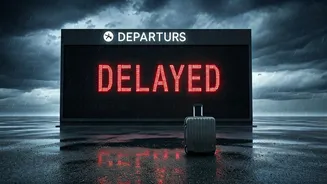
The single most important item in your monsoon itinerary isn't a place—it's a day. A buffer day, to be precise. Experienced travellers swear by this golden rule: for any trip longer than a weekend, build in at least one extra, unscheduled day. This isn't a 'free'
day for more sightseeing; it's insurance. It’s the day you absorb a cancelled flight, a train that’s six hours late, or a road closed by a minor landslide. Trying to stick to a tight, back-to-back schedule during the rains is a recipe for stress. When you have a buffer, a delay isn't a catastrophe that derails your entire trip. Instead, it becomes an unexpected pause, a chance to explore the town you're 'stuck' in, or simply to relax with a book and a cup of chai while you wait for the path to clear. This simple shift in planning transforms a potential crisis into a minor inconvenience.
Choose Your Destination Wisely
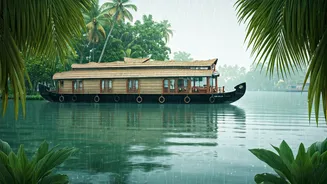
Not all of India responds to the monsoon in the same way. While headlines might focus on floods, many regions are at their absolute best between June and September. The key is to pick your paradise strategically. The rain-shadow regions, like the leeward side of the Western Ghats or parts of Rajasthan and Ladakh, receive minimal rainfall and offer green, crowd-free landscapes. Places like Udaipur or Jaipur shed their scorching summer heat and become refreshingly pleasant. Conversely, this is not the season for high-altitude treks in states like Uttarakhand, where landslide risks are severe. Coastal areas in Goa or Kerala can be stunning, but be prepared for rough seas and heavy downpours. Research your specific destination’s monsoon patterns. Some places celebrate it (the backwaters of Kerala), while others shut down completely.
Your Gear Is Your First Line of Defence
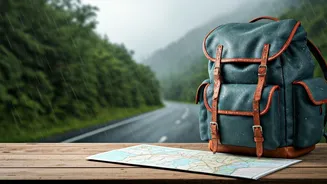
Packing for the monsoon is less about fashion and more about function. Forget leather shoes and heavy denim; they take forever to dry and can be ruined. Your best friends are quick-dry fabrics, synthetic materials, and reliable waterproofs. Invest in a good poncho or raincoat that covers you and your backpack. Pack at least one pair of sturdy, open-toed sandals or floaters with good grip—they’ll dry quickly and handle puddles better than any closed shoe. A dry bag or even a few heavy-duty zip-lock bags are non-negotiable for protecting your phone, wallet, and camera from a sudden downpour. Also, consider a small, absorbent microfibre towel. It dries faster than a standard cotton towel and takes up less space. Finally, a basic medical kit with antiseptic, band-aids, and insect repellent is more important than ever when damp conditions can exacerbate minor scrapes.
Master the Art of the Pivot
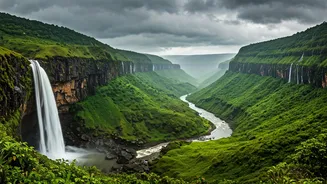
The true spirit of monsoon travel lies in your ability to pivot. Your carefully planned day trip to a waterfall might be cancelled because the road is washed out. This isn't a failure; it's an opportunity. The real adventure often begins when the original plan falls apart. This is the moment to ask your hotel owner or driver, “So, what do people here do on a rainy day?” You might discover a tiny, legendary local eatery, a forgotten temple just down the road, or a fantastic viewpoint that's only accessible on foot. Framing these changes as part of the experience, rather than a disruption to it, is crucial. That afternoon spent in a roadside dhaba, watching the rain and talking to locals while waiting for a roadblock to clear, can become a more cherished memory than the destination you were trying to reach.
Lean on Local Intelligence
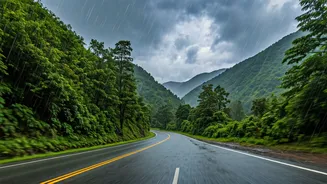
Your smartphone is a powerful tool, but in the monsoon, its forecasts can be a step behind reality. The most reliable, up-to-the-minute information comes from the people on the ground. Your taxi driver, the guesthouse manager, the shopkeeper—these are your real-time news sources. Before embarking on a long drive, ask them about the road conditions. They’ll know which routes are prone to flooding and which are clear. They can tell you if the local ferry is running or if the market will be open. This local network of information is far more nuanced than a weather app. Building a friendly rapport and trusting their advice not only keeps you safer but also enriches your travel experience, connecting you more deeply to the place you're visiting.