



A Vision of Green Heritage
Indian Railways has embarked on an ambitious mission to become a net-zero carbon emitter by 2030, a goal that involves a massive shift away from fossil fuels. A key part of this strategy is the 'Hydrogen for Heritage' initiative. This project focuses
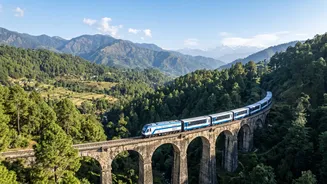
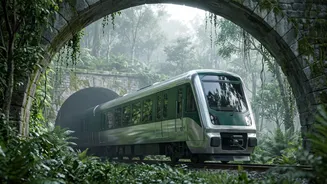
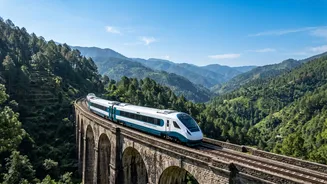
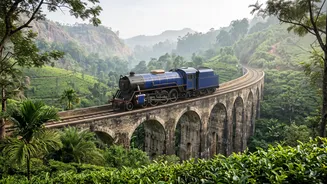
on retrofitting the diesel engines on India's iconic, narrow-gauge heritage railway lines with advanced hydrogen fuel cell systems. The idea is to preserve the nostalgic appeal and historical significance of these routes while making them environmentally sustainable. The experience gained from a pilot hydrogen train project on the Jind-Sonipat route is now being leveraged for this heritage-focused expansion, with the Kalka-Shimla line being a primary candidate. This allows the 'toy trains,' beloved by tourists, to continue their journeys into a greener future.
How Do These Hydrogen Trains Work?
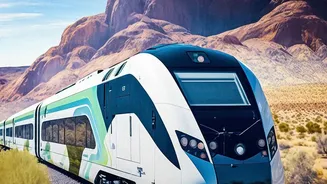
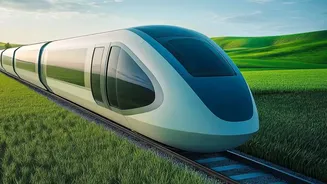
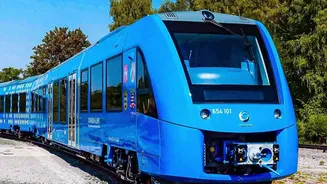
The technology at the heart of these trains is the hydrogen fuel cell. It's a clean power plant on wheels. Instead of burning fuel, the system facilitates a chemical reaction between hydrogen, stored in high-pressure tanks on the train, and oxygen taken from the air. This electrochemical process generates electricity, which then powers the motors that turn the wheels. The only byproduct of this reaction is pure water vapour, making it a zero-emission mode of transport at the point of use. This is a stark contrast to traditional diesel engines, which produce significant noise and emit greenhouse gases and particulate matter that can mar the pristine environments of heritage locations. The train also uses batteries to store surplus electricity, making the system even more efficient.
Where History Meets the Future
The project initially targets some of the most cherished and challenging railway lines in the country. The prime focus is on the Kalka-Shimla Railway, a UNESCO World Heritage Site renowned for its breathtaking views and impressive engineering, featuring over 100 tunnels. Electrifying this route with overhead cables was deemed impractical and potentially damaging to its heritage status, making hydrogen an ideal solution. Other famous mountain railways, such as the Darjeeling Himalayan Railway, the Nilgiri Mountain Railway, and the Matheran Hill Railway, are also part of the broader vision for this green transformation. By converting these lines, Indian Railways aims to offer an enhanced, pollution-free tourist experience, allowing visitors to soak in the scenery without the disturbance of a noisy, smoky engine.
More Than Just Clean Air
The shift to hydrogen power offers benefits that extend beyond just eliminating emissions. The operational silence of a fuel cell train compared to a diesel engine is a significant advantage, reducing noise pollution in ecologically sensitive mountain areas. For tourists, this means a quieter, more immersive journey. For India, it’s a powerful statement on the global stage, positioning the nation among a select group of countries like Germany and Japan that are pioneering hydrogen rail technology. The project is also a cornerstone of the 'Atmanirbhar Bharat' initiative, with the trains, propulsion systems, and refueling infrastructure being designed and developed indigenously. This not only builds domestic technical expertise but also supports India's National Green Hydrogen Mission, which aims to make the country a hub for hydrogen production and technology.
The Journey to Full Implementation
While the vision is clear, the path has its challenges. Early trial runs on the Kalka-Shimla track have faced technical hurdles, highlighting the complexities of deploying new technology in difficult terrain. Furthermore, the cost of 'green' hydrogen—produced using renewable energy—and the initial investment in fuel cells and refueling infrastructure are significant. Officials have noted that bringing down the supply cost of green hydrogen is crucial for the project's wider adoption. To support this, dedicated hydrogen production and storage facilities are being established at key locations like Jind, with plans for more at heritage sites like Kalka, Shimla, and Barog. Despite these hurdles, Indian Railways is moving forward, aiming to have 35 hydrogen trains operational on its heritage routes, signaling a firm commitment to this transformative technology.