








Beyond the Reopening Date
The Uttar Pradesh government has mandated that schools will now reopen annually on June 25 to ensure a uniform academic calendar and a minimum of 220 teaching days. [3, 6, 14] While the date is now fixed, school notices will contain critical details about
the first few weeks. Look for information on revised school timings, which may be adjusted for heat. [4] Check for any staggered entry plans for different classes and whether the school has published a full academic calendar. These details help you plan your family's routine and prepare your child for the new session without any last-minute confusion.
Scrutinise the Fee Structure
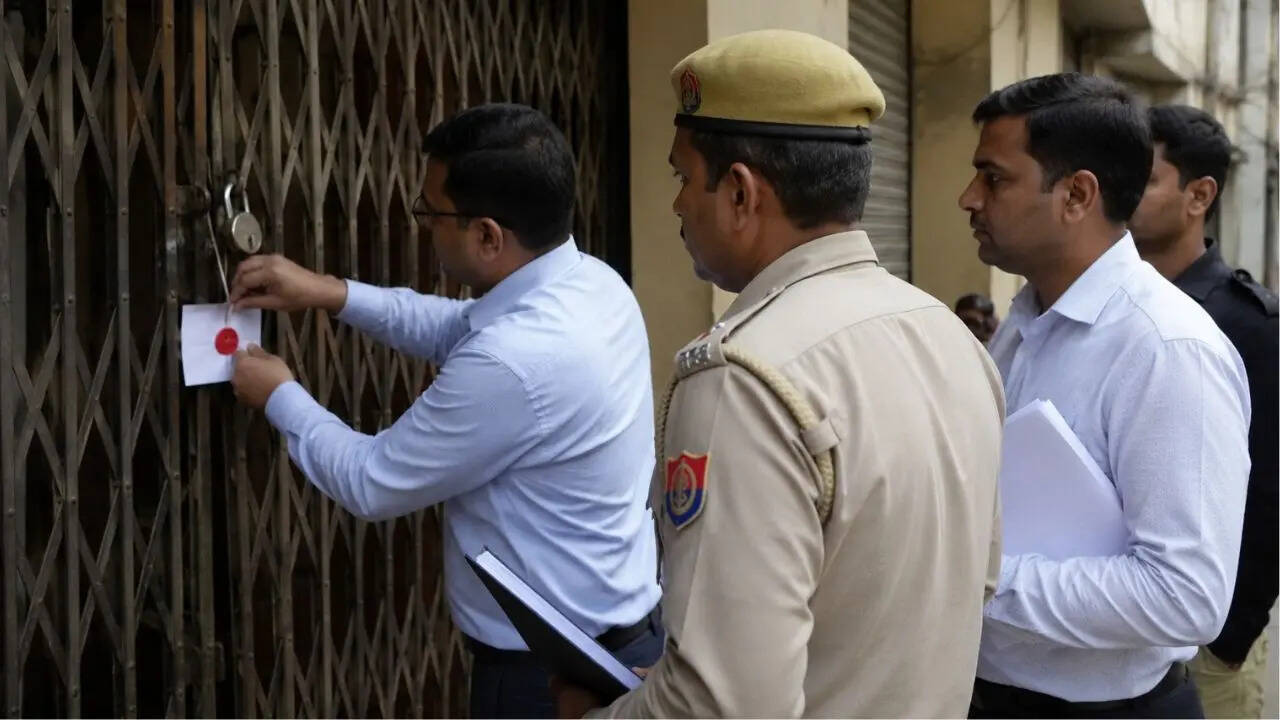
This is often the most stressful part of school reopening. Don't just look at the total amount; demand a detailed breakdown. Under the Uttar Pradesh Self-Financed Independent Schools (Fee Regulation) Act, 2018, fee hikes are capped. [5, 7] Schools cannot increase fees by more than 5% plus the consumer price index without approval from the District Fee Regulatory Committee. [5] Scrutinise line items like 'annual charges', 'development fees', or any new 'miscellaneous' costs. In May 2026, several Lucknow schools were served notices for fee irregularities after inspections found hikes ranging from 9% to 25%. [5, 17] If the numbers don't add up, you have the right to question them and file a complaint with the District Inspector of Schools (DIoS). [7]
Health and Safety Protocols
The government has directed schools to ensure basic facilities like uninterrupted electricity and clean drinking water are available, especially given the recent heatwave. [3] Your school's notice should outline specific health and safety measures. This includes protocols for managing sick children, availability of first aid, and cleanliness of the premises, including kitchens and toilets. [3] Given the recent heatwave, schools have also been advised to take special precautions to protect children from dehydration. [6] Ensure the circular clearly communicates the school's commitment to your child's well-being.
Uniforms, Books, and Supplies
A major point of contention for parents is the pressure to buy books and uniforms from specific vendors, often at inflated prices. The law is on your side here. The Lucknow district administration has repeatedly clarified that no school can force parents to purchase from a single, designated shop. [5, 7] Furthermore, UP Board authorities have warned against using unapproved textbooks. [20] Your school’s notice should provide a list of prescribed books (ideally NCERT) and uniform specifications, but it cannot legally compel you to buy from one store. [7] Be wary of any language that suggests a mandatory vendor; you have the freedom to purchase these items from where you choose. [5]
Transport Rules and Costs
School bus routes, fees, and timings are often revised for a new academic session. The school notice should provide clear and updated information on transportation. Check the fee revision and compare it with the previous year. Verify the route details and the pick-up/drop-off times to ensure they align with your schedule. Before the session begins, teachers and staff are tasked with coordinating with transport providers to ensure a smooth start. [12] If the details are vague, contact the school’s transport in-charge for clarification well before the first day.
Understanding Communication Channels
In an era of digital communication, it's vital to know exactly how the school will disseminate information throughout the year. The initial notice packet should specify the official channels—be it a particular app, a parent portal on the website, or email. Are there new login details you need? Is downloading a specific app mandatory? Understanding and setting up these channels correctly from day one ensures you don't miss critical updates on your child’s attendance, academic progress, or emergency notifications. Keep the contact details for the main office and class teacher handy.