

A Successful Splashdown Concludes the Mission
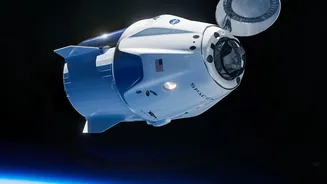
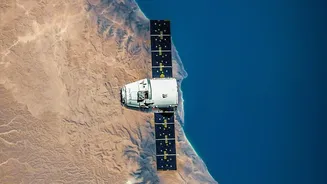
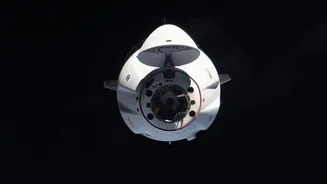
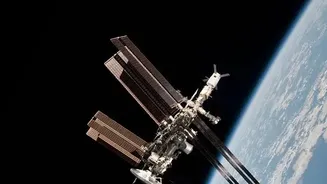
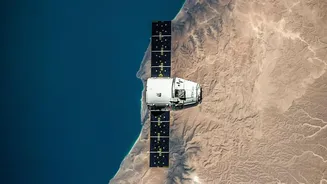
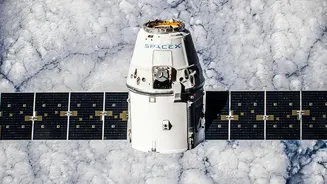
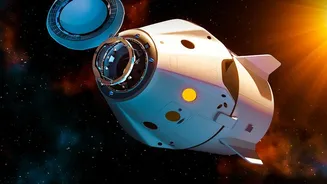
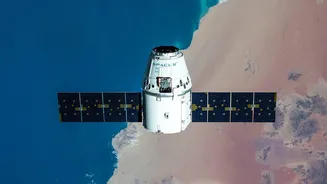
The uncrewed Dragon spacecraft concluded its 37-day mission, splashing down off the coast of California on Saturday, November 21. The capsule undocked from the International Space Station (ISS) a day earlier, on November 20, beginning its approximately
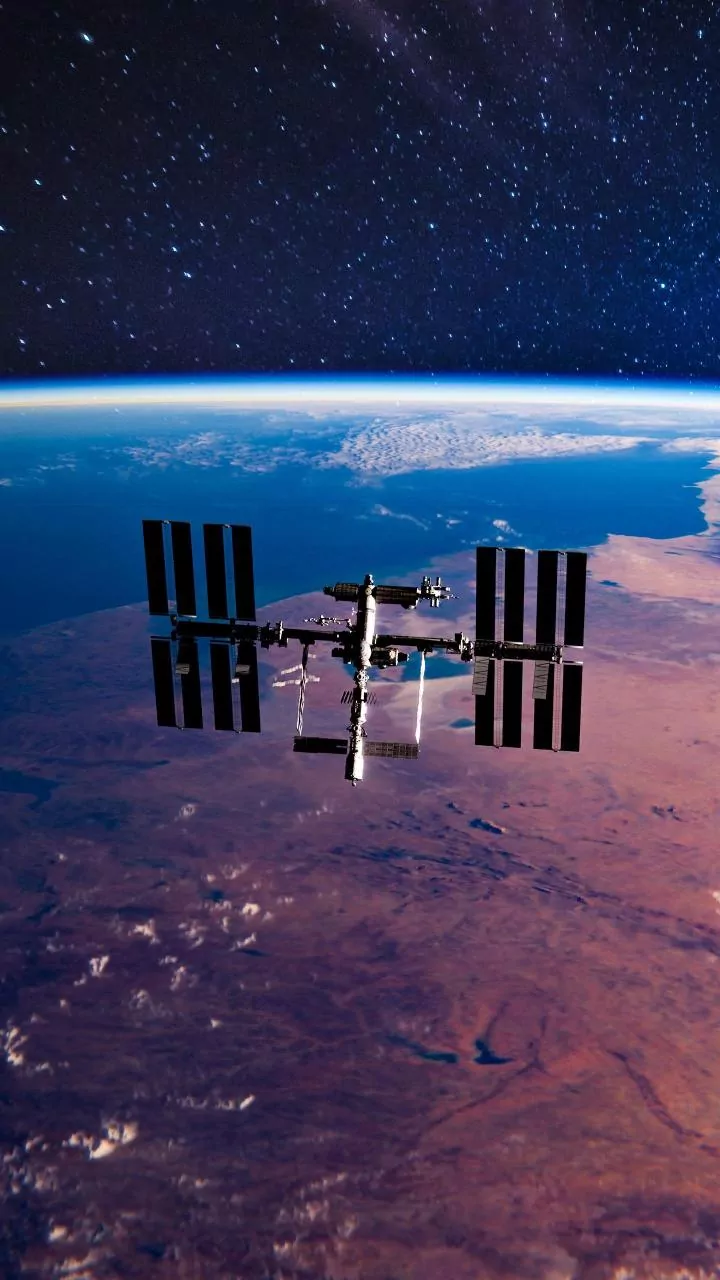
29-hour journey back through Earth's atmosphere. Recovery ships were stationed to retrieve the capsule quickly, ensuring the time-sensitive scientific materials inside could be transported to NASA laboratories for analysis within hours. This mission, known as CRS-35, was the 35th such flight conducted by SpaceX under its Commercial Resupply Services contract with NASA, highlighting the now-routine but still crucial partnership between the private company and the government agency to keep the orbiting lab stocked and productive.
A Treasure Trove of Scientific Returns
While delivering over 6,300 pounds of supplies and hardware to the station in October was a key objective, the return trip is arguably just as important. The Dragon is currently the only cargo vehicle capable of bringing significant quantities of research back to Earth intact. This particular capsule was packed with thousands of pounds of valuable scientific samples. Key experiments include a 3D-bioprinted blood vessel structure created in microgravity to study cardiovascular disease and the aging process. Also aboard were frozen tumor organoids—small, lab-grown models of tumors—that were treated with chemotherapy drugs in space. Scientists hope studying them will help identify new ways to improve cancer treatments and advance personalized medicine on Earth.
The Floating Laboratory and Its Earthly Benefits
The unique microgravity environment of the ISS allows scientists to study biological and physical phenomena in ways that are impossible on the ground. For example, the returned cargo also contained frozen microbial samples for analysis of how antibiotic-resistant bacteria evolve in space, which could provide insights for combating superbugs on our planet. Another interesting item returned was a specialized lighting system that had been tested on the station for over three years. Researchers studied its potential to support astronauts' sleep cycles and well-being on long-duration missions, data that is essential as NASA plans for future missions to the Moon and Mars. Even the study of vascular aging in space has direct applications, as the accelerated aging-like effects seen in astronauts' bodies provide a unique model for understanding similar conditions on Earth.
The Commercial Lifeline to Low Earth Orbit
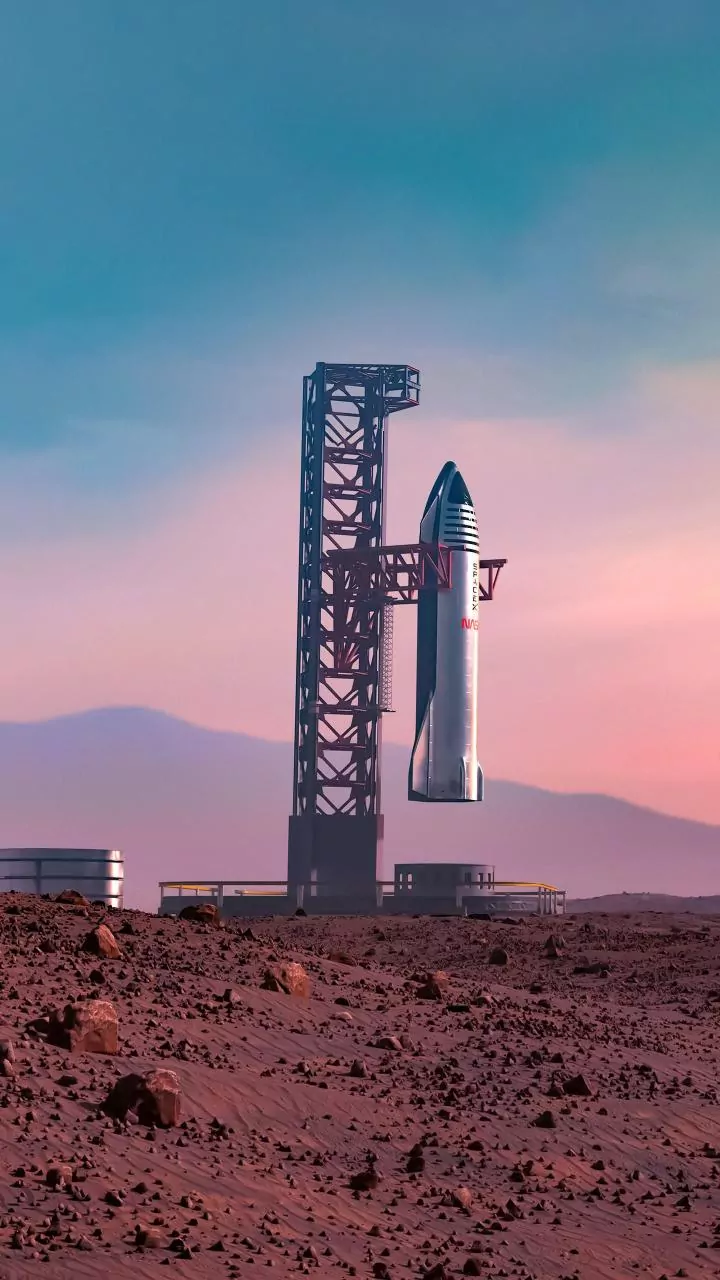
The success of missions like CRS-35 underscores the maturity of the commercial space industry. NASA's strategy to partner with private companies like SpaceX has created a reliable transportation service to and from low Earth orbit. This specific Dragon capsule had already completed three previous missions, demonstrating the cost-effectiveness and reliability of reusable spacecraft. This model allows NASA to focus its resources on deep-space exploration, such as the Artemis program, while commercial partners handle the logistics of servicing the ISS. This public-private partnership not only sustains the vital research being conducted 260 miles above our heads but also fosters a burgeoning economy in space, paving the way for future private space stations and commercial ventures.