


From Spectacle to Sparking Curiosity
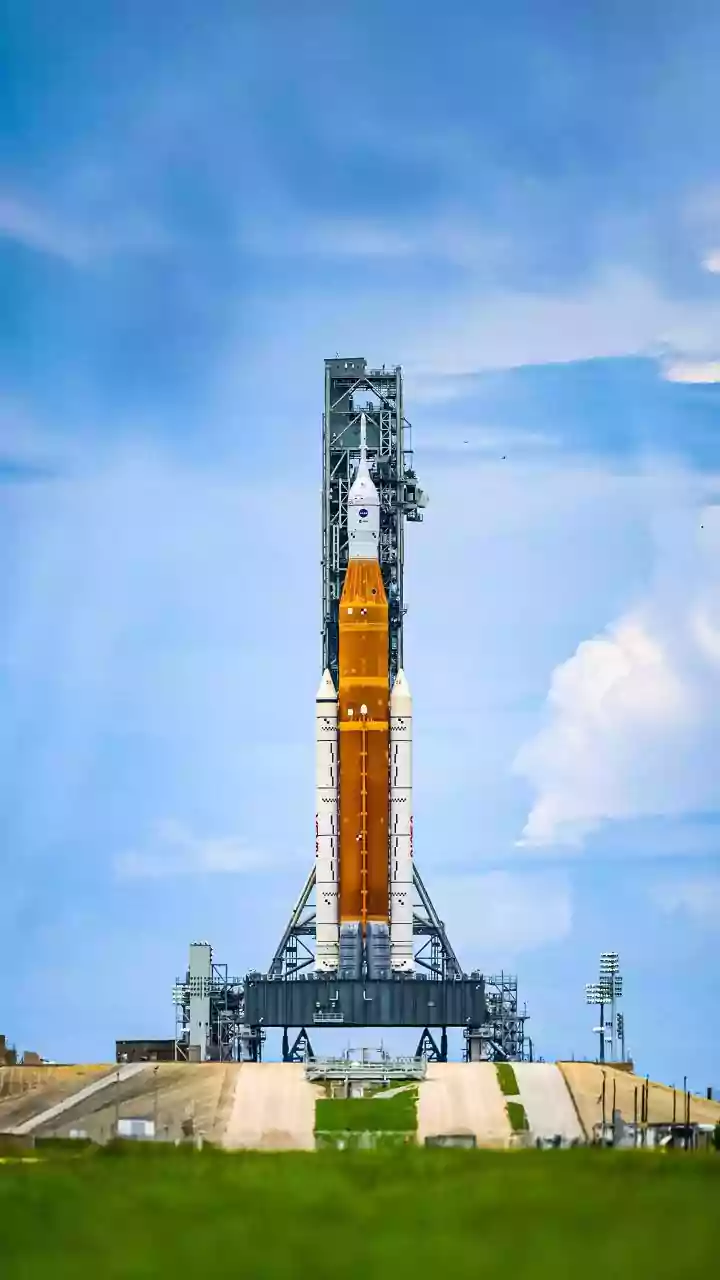
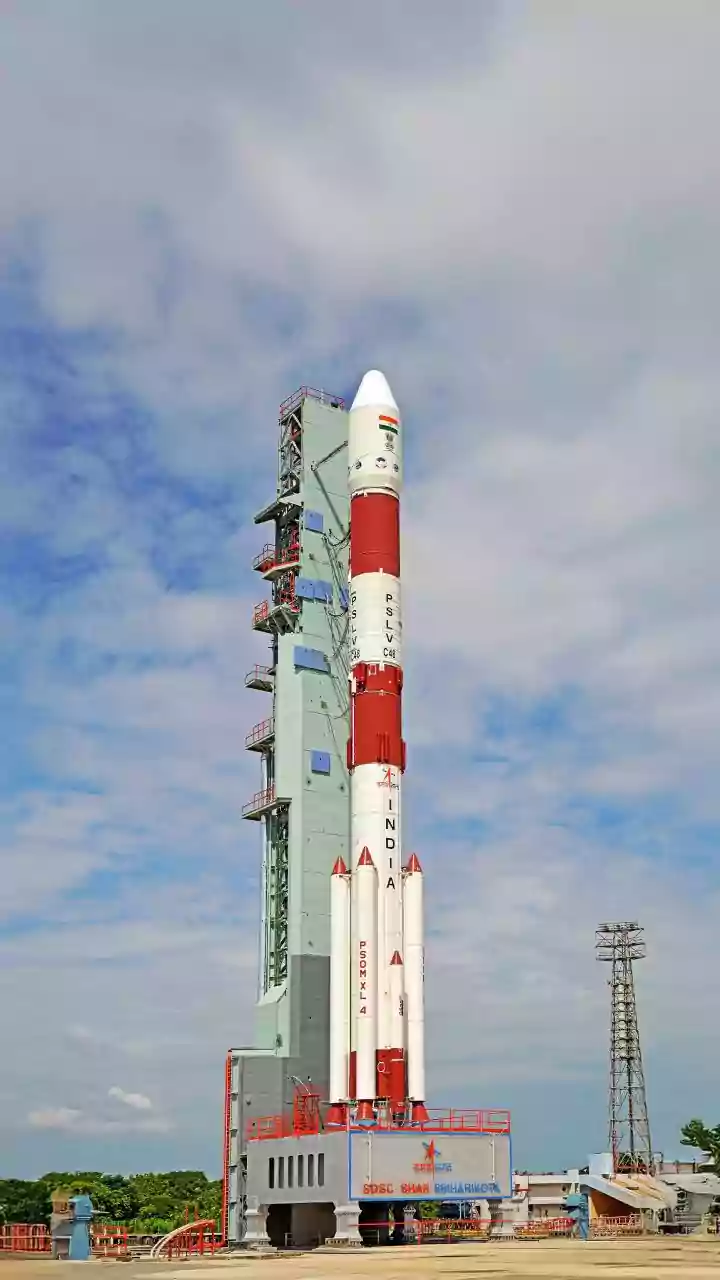
The live broadcasts of ISRO's rocket launches have become national events, gathering families around screens in anticipation. This shared experience does more than entertain; it plants a seed of curiosity. The success of missions like Chandrayaan and Mangalyaan
has had a demonstrable effect, sparking immense interest among students in space science and technology. This isn't just about fleeting excitement. Schools and educational institutions have noted a rise in students expressing a desire to become space scientists, driven by the realisation that India is a major player in space exploration. This national pride fosters a powerful connection, making a career in space feel not only possible but also deeply meaningful.
Creating Tangible Pathways to Space
Inspiration is powerful, but opportunity is crucial. ISRO has actively worked to bridge this gap with structured outreach initiatives designed to "catch them young". The most prominent of these is the YUva VIgyani KAryakram (YUVIKA), or Young Scientist Programme. This two-week residential program invites school students to ISRO centres, offering them a chance to interact with senior scientists, participate in hands-on activities like model rocketry, and get a firsthand look at how space technology works. The programme aims to impart basic knowledge on space science and applications, with a preference for students from rural areas, encouraging more of them to pursue careers in Science, Technology, Engineering, and Mathematics (STEM). The overwhelming response, with over 100,000 applications for recent editions, shows the immense demand for such exposure.
Broadening the Definition of a Space Career
A common misconception is that a space career is reserved for a handful of rocket scientists or astronauts. ISRO's work and the growth of the wider space economy demonstrate a much broader reality. The sector requires a diverse range of skills. Aerospace engineers are fundamental for designing launch vehicles and spacecraft, but the industry also needs computer scientists for flight software, data analysts to interpret satellite imagery, and electronics engineers for communication systems. Beyond technical roles, there is a growing need for specialists in space law, policy, and business management. This diversity of roles makes a space career more accessible than ever, appealing to students with a wide array of talents and interests beyond pure physics.
The Burgeoning Private Space Ecosystem
The influence of ISRO extends beyond its own recruitment. The organisation's success has been a major catalyst for India's private space industry. With the government opening up the sector, hundreds of space startups have emerged, creating a vibrant new job market. Companies like Skyroot Aerospace, Agnikul Cosmos, and Pixxel are now actively hiring for roles in launch vehicle development, satellite manufacturing, and data analytics. This private ecosystem offers faster-paced environments and new kinds of opportunities, complementing the foundational research and large-scale missions undertaken by ISRO. For students inspired by ISRO, this means the career paths are no longer limited to a single government agency but extend to a dynamic and expanding industry with significant global potential.