





Your Body's Master Clock
Deep inside your brain is a cluster of cells called the suprachiasmatic nucleus (SCN), which acts as your body's master clock. This internal timekeeper, known as your circadian rhythm, governs nearly every biological process over a 24-hour cycle, from
your appetite and body temperature to your alertness and, most importantly, your sleep-wake cycle. Think of it as a conductor leading a complex orchestra; when it's in sync, everything runs smoothly. When it's not, you feel the effects: grogginess in the morning, a slump in the afternoon, and trouble drifting off at night. For this internal clock to stay accurate, it needs to be set every day by an external cue. Its most powerful cue is light.
The Power of Morning Sunlight
Recent sleep research consistently highlights the profound impact of morning sunlight. When bright, natural light hits your eyes shortly after you wake up, it sends a powerful signal to your brain that the day has begun. This does two critical things. First, it triggers a healthy spike in the hormone cortisol, which helps you feel alert, focused, and energised for the day ahead. Second, it suppresses the production of melatonin, the hormone that makes you feel sleepy. By getting this light exposure early, you essentially start a countdown timer. About 12 to 16 hours later, your body will naturally begin to produce melatonin again, preparing you for a restful night's sleep. Studies show that people who get consistent morning sun exposure tend to fall asleep more easily and report better overall sleep quality.
When Modern Life Gets in the Way
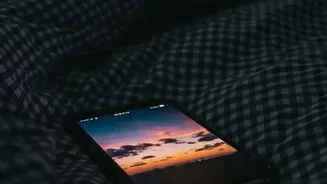
Our biology evolved to sync with the sun, but our modern lifestyles often do the opposite. We spend our days indoors under relatively dim artificial light and our evenings bathed in the bright, blue-toned light from screens and LED bulbs. This pattern sends confusing signals to our internal clock. Insufficient bright light during the day means our 'wake up' signal is weak, leading to daytime grogginess. Then, excessive bright light at night from phones, tablets, and TVs can powerfully suppress melatonin just when our bodies should be winding down. Research shows that just two hours of exposure to a bright screen in the evening can significantly delay the onset of melatonin release, making it harder to fall asleep. This chronic misalignment between our internal clock and our external environment is a key driver of many common sleep problems.
How to Reset Your Natural Rhythm
The good news is that you can consciously use light to get your circadian rhythm back on track. The science suggests a simple but effective strategy. Aim for at least 15 to 30 minutes of direct, natural sunlight within the first hour of waking up. This doesn't mean you need to stare at the sun; just being outside is enough. Even on a cloudy day, the outdoor light is significantly more powerful than indoor lighting. Viewing light through a window is better than nothing, but it can be up to 50 times less effective than being outdoors. Try having your morning coffee on a balcony, walking the dog, or simply standing outside for a few minutes. In the evenings, do the opposite: dim the lights in your home and avoid bright screens for at least an hour or two before bed to allow melatonin to rise naturally.