







The Corporate Push for Green Kilometres
For gig platforms like Uber, Ola, Zomato, and Swiggy, transitioning to an electric fleet is a multi-pronged strategy. Firstly, it aligns with their sustainability goals and improves brand image amidst growing global pressure on corporations to reduce
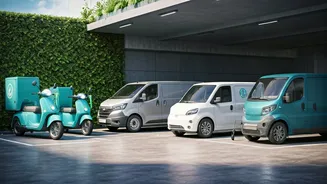
their carbon footprint. Zomato and Swiggy, for instance, have set ambitious targets to electrify their delivery fleets entirely by 2030. Uber is also making significant strides, investing in fleet management partners like Everest Fleet to get 10,000 EVs on the road by 2026 and partnering with Tata Motors to deploy 25,000 EVs. These moves are not just for environmental credit; they are a business imperative. Lower running costs for their driver partners translate to a more stable and potentially larger workforce. Moreover, as cities like Delhi introduce mandates for fleet electrification, the shift becomes a matter of regulatory compliance.
The All-Important Economics for the Gig Worker
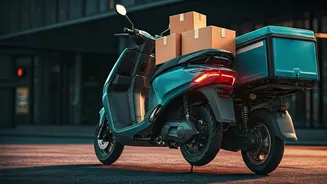
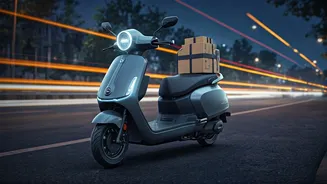
The single biggest driver for a gig worker adopting an EV is the potential for higher earnings. A delivery rider who covers 100-150 kilometres daily spends a significant portion of their income on petrol. Switching to an EV can dramatically reduce these daily running costs, with some estimates suggesting savings of ₹5,000 to ₹6,500 per month on fuel alone. This saving can often cover the entire monthly loan EMI for the new vehicle. Seeing this potential, some delivery partners in Delhi have reported nearly doubling their net take-home income after switching from a bicycle to an e-scooter. However, the high upfront cost of an EV, often 1.5 to 2 times that of a petrol counterpart, remains a major hurdle. This is where new financing models and platform partnerships are proving crucial, turning a large capital expense into a manageable operational cost.
A New Financial Ecosystem Emerges
Recognising that traditional bank loans don't work for workers without salary slips, a new ecosystem of non-banking financial companies (NBFCs) and fintech platforms has emerged. Companies like Revfin and Mufin Green Finance specialise in financing EVs for commercial use, assessing a gig worker's income based on their platform payout history instead of formal employment documents. Furthermore, models like 'EV-as-a-Service' (EVaaS) are gaining traction. These services offer gig workers a bundled package including the vehicle, insurance, maintenance, and battery swapping for a fixed fee, removing the burden of ownership entirely. Food delivery giant Zomato has already started piloting a rental fleet of e-bikes for its partners in Delhi, making it easier for them to try EVs without the financial commitment.
Government Policy Paving the Way
The Indian government has been a key enabler of this transition. The Faster Adoption and Manufacturing of (Hybrid &) Electric Vehicles (FAME) scheme has been central to this push. FAME II, with an outlay of ₹10,000 crore, provides demand incentives that lower the upfront cost of EVs, particularly for commercial vehicles. The subsidy for electric two-wheelers, for example, can significantly reduce their purchase price. This, combined with a lower GST rate of 5% for EVs compared to 28% for conventional vehicles and state-level incentives like road tax waivers, creates a powerful financial case for going electric. These policies are specifically designed to boost public and shared transportation, making the gig economy a natural and primary beneficiary.
Roadblocks and Reality Checks
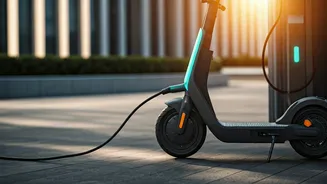
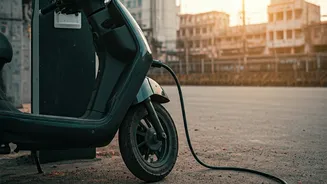
Despite the momentum, the path to full electrification is not without its challenges. The most significant hurdle is the inadequate charging infrastructure. In a city like Delhi, there is roughly one public charging station for every 153 EVs, a far cry from what is needed. This creates 'range anxiety' and potential downtime for workers, which directly impacts their earnings. To counter this, battery swapping services are emerging as a popular solution, allowing a driver to exchange a depleted battery for a fully charged one in minutes. However, the lack of standardisation in battery technology, where one brand's battery doesn't fit another's vehicle, currently limits the scalability of this model.