





The Meaning of ‘Evenly Moist’
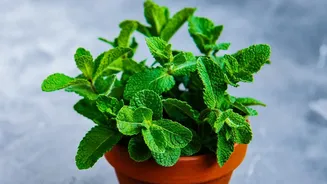
The phrase ‘evenly moist’ is the golden rule for mint, but it's often misunderstood. It doesn’t mean waterlogged or soggy, which can suffocate roots and lead to rot. Instead, it describes soil that feels like a well-wrung-out sponge — damp to the touch
but not dripping wet. The easiest way to check is the finger test: insert your finger about an inch into the soil. If it feels dry at that depth, it’s time to water. Mint has shallow roots that dry out quickly, so allowing the soil to become bone dry is a common cause of wilting and stress. The goal is to maintain that light moisture consistently.
Your Pot and Soil Are Key
The right container and soil mix are your best allies in maintaining even moisture. Mint is an aggressive grower and should be planted in its own pot to prevent it from taking over. A plastic pot is often a better choice than terracotta for mint, as it retains moisture longer, helping to prevent the soil from drying out too quickly. Most importantly, the pot must have drainage holes. Without them, water will pool at the bottom, leading to root rot even if the surface feels dry. Use a high-quality potting mix that is both moisture-retentive and well-draining to strike the perfect balance.
The Art of Proper Watering
How you water is just as important as how often. When the top inch of soil is dry, water the plant thoroughly until you see water flowing out of the drainage holes. This ensures the entire root ball is hydrated. After watering, be sure to empty any excess water from the saucer beneath the pot; letting the plant sit in standing water is a common mistake that leads to root problems. An alternative method is 'bottom watering', where you place the pot in a basin of water for about 20-30 minutes, allowing the soil to soak up moisture from the bottom. This can be an effective way to hydrate the soil deeply without waterlogging the surface.
Light and Air: The Other Side of the Coin
While moisture is critical, mint can't thrive without adequate light. It needs at least four to six hours of bright, indirect light per day to effectively use the water you provide. An east-facing window is often ideal. Without enough light, the plant will become 'leggy', with long, weak stems and sparse leaves, even if the watering is perfect. Good air circulation is also important to prevent fungal diseases like powdery mildew. Rotating the plant every few days helps ensure all sides get even light, promoting balanced, bushy growth.
Pruning for Health and Abundance
Regularly pruning or harvesting your mint is essential for keeping it healthy and encouraging it to become fuller and bushier. Don’t be shy about snipping off the top leaves and stems. When you prune just above a set of leaves, the plant is stimulated to send out two new shoots from that point, resulting in a denser plant. This not only gives you more mint to use but also prevents the plant from flowering. Once mint flowers, its energy shifts away from leaf production, and the flavour of the leaves can diminish. Regular trimming keeps the plant in a state of vigorous growth, making it more resilient.