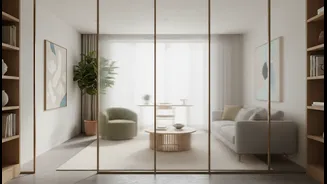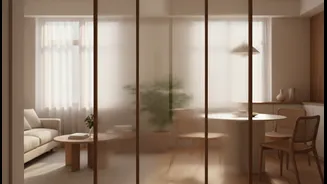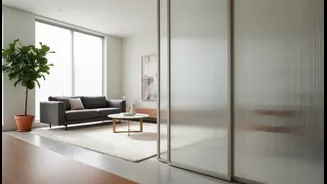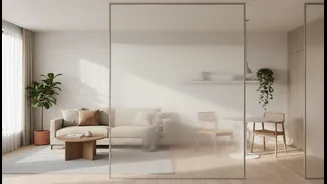






What is Fluted Glass, Anyway?
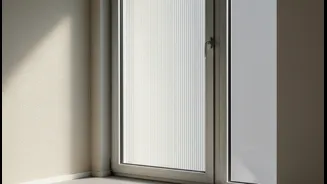
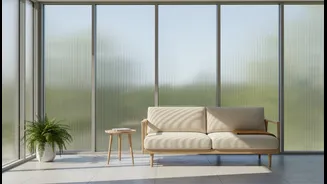
Also known as reeded or ribbed glass, fluted glass is a type of textured glass with vertical grooves pressed into its surface. These parallel ridges create a distinct, sophisticated look that plays with light in a unique way. Unlike clear glass, which
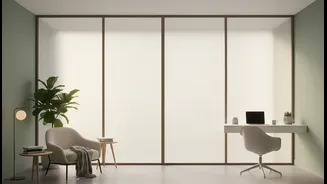
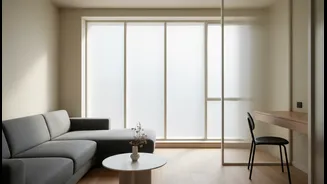
offers no privacy, or frosted glass, which can block too much light, fluted glass strikes an ideal balance. It obscures direct views, providing a sense of seclusion, while still allowing natural light to filter through, creating a soft, diffused glow. This makes it a popular choice for designers looking to add texture and depth to a space without making it feel smaller.
A Nod to the Past, A Look to the Future
Fluted glass is not a new invention; its origins trace back to the Art Deco period of the 1920s and 30s, an era known for its geometric patterns and decorative flair. It was a fixture in both commercial and residential architecture, valued for its ability to combine function with glamour. Today, its resurgence in Indian homes is part of a larger design movement. The popularity of aesthetics like 'Japandi'—a blend of Japanese minimalism and Scandinavian function—has created the perfect environment for this material's return. This trend favours natural textures, clean lines, and light-filled spaces, all of which are hallmarks of fluted glass.
The Magic of Light and Privacy
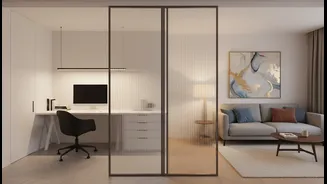
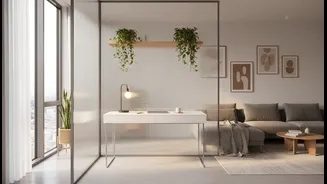
The primary appeal of fluted glass in compact homes lies in its dual benefits. In smaller apartments, creating zones without building solid walls is a common challenge. Fluted glass partitions can divide a living room from a home office or a kitchen from a dining area, providing visual separation without sacrificing the feeling of openness. The vertical lines of the glass also create an optical illusion, drawing the eye upward and making ceilings appear higher, which can make a small room feel larger. It masterfully obscures clutter in cabinets or separates a bathroom area, all while ensuring the space remains bright and airy.
Smart Applications for Compact Indian Homes
The versatility of fluted glass means it can be incorporated in numerous ways. In kitchens, it's being used for overhead cabinet doors, hiding messy interiors while adding a touch of elegance. As sliding doors or partitions, it can separate a pooja room or a small study nook from the main living area. In bathrooms, fluted glass shower screens offer privacy and a spa-like aesthetic, a significant upgrade from a simple curtain. It can even be used in furniture, such as on the front of TV consoles or sideboards, to add a textural element to the decor.
What to Consider Before Installing
While fluted glass has many benefits, there are a few practical points to consider. It is generally more expensive than plain glass due to the manufacturing process. Cleaning can also be slightly more challenging, as the grooves can sometimes trap dust or, in a bathroom, soap scum. However, regular maintenance with a soft brush and standard glass cleaner is usually sufficient. For those on a tighter budget or in a rental home, reeded window film offers a cost-effective and non-permanent way to achieve the same look. It can be applied to existing glass surfaces for an instant style upgrade.