




The Grand Procession and Divine Bath
Known as Debasnana Purnima or Snana Yatra, this sacred festival takes place on the full moon day of the Hindu month of Jyeshtha (May-June). [5] It is considered the birthday of Lord Jagannath. [10, 20] On this day, the sibling deities—Lord Jagannath,
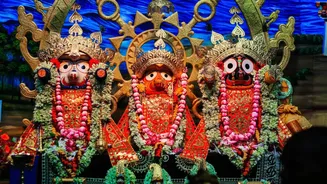
Lord Balabhadra, and Devi Subhadra—are brought out from the inner sanctum of Puri's famed Jagannath Temple in a grand, swaying procession called Pahandi Bije. [5, 13] They are placed on an elevated platform, the Snana Mandap, for a rare public audience. [6] Here, a ceremonial bath is performed with 108 pitchers of sanctified, aromatic water drawn from a special temple well, the Suna Kua. [5, 13, 24] This ritual, first established by the temple's legendary founder King Indradyumna, signifies purification and rejuvenation ahead of the world-famous Rath Yatra. [5, 7]
A God Who Feels Like Us
What happens next is the heart of the ritual's storytelling power. After the elaborate bath with cool, consecrated water, the deities are traditionally believed to fall ill. [3, 4] They catch a fever, much like a human would after a long drenching. [12] This personification of the divine is central to the Jagannath culture. [6] The gods are not distant, untouchable entities; they experience vulnerability. To honour a devotee, Lord Jagannath once even appeared in the form of Ganesha, a tradition now commemorated with the 'Hati Besha' or elephant attire that the deities wear after their bath. [7, 10] These stories reinforce an intimate, emotional bond between the devotee and the divine.
The Anasara: A Period of Seclusion and Healing
Following the bath, the deities are moved to a private room called the 'Anasara Ghara' for a fortnight of seclusion and recuperation. [3, 4, 9] During this 15-day period, known as Anasara, they are hidden from public view. [5] The main temple doors are closed to devotees, who must instead worship painted images of the deities called Anasara Patti. [3] In their sick room, the gods are cared for by special servitors called Daitapatis, who are considered their close family. [9] They are treated with traditional Ayurvedic medicines, herbal pastes, and a restorative diet to help them recover from their 'illness'. [4, 6] One legend says the Lord took upon himself the final 15 days of a devout follower's illness, establishing this tradition of divine empathy. [12]
The Rebirth and The Grand Chariot Festival
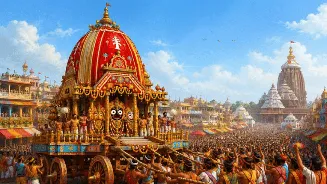
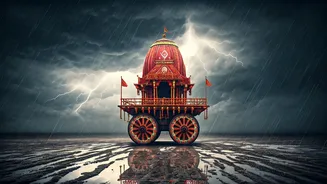
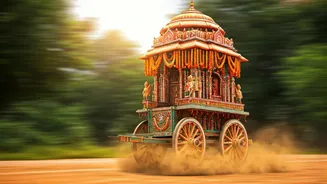
The Anasara period creates a palpable sense of longing and anticipation among the faithful. [5] This separation deepens the devotees' connection, making the eventual reunion all the more powerful. The seclusion ends with Netrotsav, the 'festival of the eyes,' when the deities reappear for public darshan, fully recovered and looking youthful and rejuvenated in what is called Naba Joubana Darshan. [4, 6, 9] This reappearance signifies a rebirth. Having been healed and repainted, they are now ready for their annual journey to the Gundicha Temple aboard magnificent chariots during the Rath Yatra. [9, 11] The entire cycle—from public appearance and bathing to illness, seclusion, healing, and re-emergence—forms a powerful narrative arc that plays out year after year.