



A Storied Past
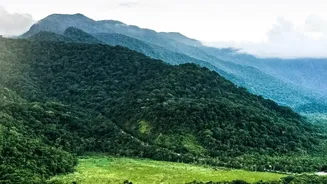
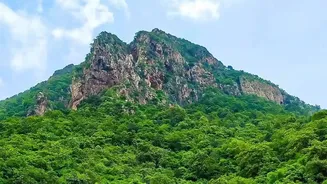
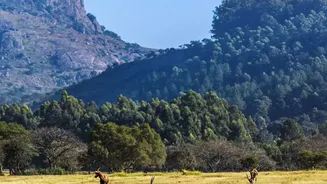
Situated in the hilly Saurashtra region, the Barda Wildlife Sanctuary has a history as rich as its biodiversity. Spanning over 192 square kilometres near Porbandar, this area was once divided into two private reserves for the princely states of Jamnagar
and Porbandar. Known locally as Barda Dungar, these forests were the exclusive hunting grounds for the ruling families. In 1979, the Gujarat government officially declared it a wildlife sanctuary to protect its unique ecosystem. The sanctuary is also home to several ethnic communities, including Maldharis, Bharvads, and Rabaris, who have lived in the region for generations.
The New Home for Asiatic Lions
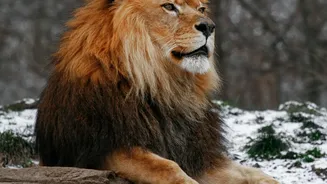
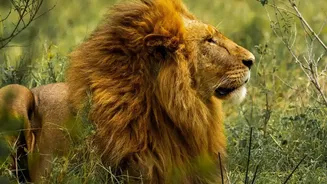
The most significant development for Barda is its designation as a second home for the Asiatic lion under 'Project Lion'. For decades, the entire wild population of these magnificent cats was confined to Gir National Park, leaving them vulnerable to potential threats like disease or natural disasters. To mitigate this risk, Barda was identified as a suitable alternative habitat. The landscape and vegetation in Barda closely resemble Gir, making it an ideal environment. The process of establishing a new population began with the natural arrival of a male lion from Gir in early 2023, and was followed by the introduction of several radio-collared females by the forest department. By 2026, the sanctuary was home to a growing family of lions, marking a historic return after an absence of nearly 144 years.
Rich Flora and Fauna
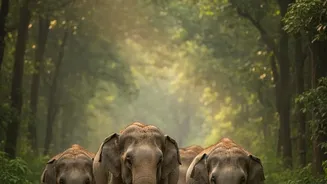
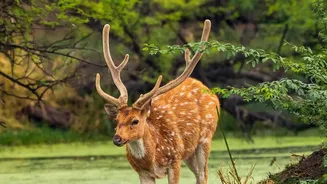
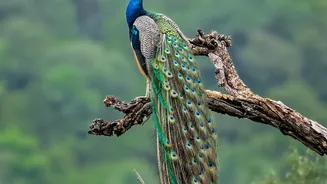
Barda boasts the highest floral diversity in Gujarat, with around 650 different plant species recorded. Its dry deciduous forests are a mix of teak, babul, ber, jamun, and various bamboo species. This dense vegetation supports a wide array of wildlife. Besides the newly introduced lions, the sanctuary is a habitat for leopards, striped hyenas, jackals, and nilgais (blue bulls). To support the growing lion population, the forest department has been actively working to increase the prey base by introducing hundreds of spotted deer (chital) and sambar. The sanctuary is also a paradise for birdwatchers, with species like the crested serpent eagle and crested hawk-eagle making their home in the hills.
Exploring Barda and Beyond
The sanctuary's rugged, hilly terrain is not just for wildlife; it's also a destination for trekkers and nature lovers. Winding trails offer scenic views of the landscape, which is fed by the Bileshvary and Joghri rivers and features two large dams, Khambala and Fodara. Within the sanctuary's bounds lies the ancient Kileshwar Mahadev temple, a significant pilgrimage site that adds a spiritual dimension to the visit. The government has also initiated plans for ecotourism and a safari park to allow visitors to experience this burgeoning conservation success story responsibly.
Planning Your Visit
Barda Wildlife Sanctuary is located about 15 kilometres from the coastal city of Porbandar, which has the nearest airport and railway station. The best time to visit is during the cooler winter months, from October to February, when the weather is pleasant for exploring the outdoors. As the sanctuary continues to develop its role in lion conservation, it represents a unique opportunity to witness a new chapter in India’s wildlife history unfold. A trip to Barda offers a glimpse into a landscape that is both a tranquil natural retreat and a frontline of critical conservation efforts.