




Rajasthan: The Classic Choice in Comfort
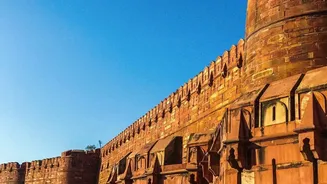
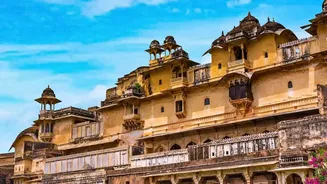
Rajasthan is a perennial favourite, but September offers a special window of opportunity. With the monsoon receding and lower-than-average rainfall expected, the desert state becomes significantly more pleasant to explore. The intense summer heat has
subsided, humidity levels drop, and the post-monsoon landscape is surprisingly lush and green, especially in the Aravalli hills surrounding places like Udaipur and Bundi. This means you can wander through the forts of Jaipur, enjoy boat rides on the filled lakes of Udaipur, and explore the golden city of Jaisalmer with greater comfort and fewer crowds than in the peak winter season. Temperatures are warm but manageable, making it an excellent time for sightseeing before the peak tourist rush begins in October.
Spiti Valley: The High-Altitude Desert Shines
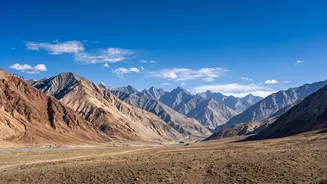
For those seeking dramatic landscapes and adventure, Spiti Valley in Himachal Pradesh is an exceptional choice for September. Located in a rain-shadow region, Spiti receives very little monsoon rainfall, and September is widely considered one of the best months to visit. By this time, the roads are generally clear, the skies are crisp and blue, and the stark, lunar-like terrain is at its most spectacular. You can explore ancient monasteries like Key Gompa and Tabo, visit the high-altitude villages of Kibber and Kaza, and witness the stunning beauty of Chandratal Lake. The weather is ideal for trekking and road trips, with sunny days and cool, clear nights perfect for stargazing.
Ladakh: An Autumnal Paradise
Much like Spiti, Ladakh is a cold desert that escapes the brunt of the monsoon, making September a fantastic time to travel. The weather is generally clear and crisp, offering unobstructed views of the majestic Himalayan peaks. It’s an ideal month for adventure activities such as trekking and mountain biking around Leh. By the second half of the month, the region begins its transition into autumn, with poplar and apricot trees turning brilliant shades of gold and orange. This adds a breathtaking layer of colour to the already stunning landscapes of Nubra Valley and Pangong Tso Lake. With fewer tourists than the peak summer months, you can enjoy a more serene experience.
Kaas Plateau, Maharashtra: A Carpet of Wildflowers
While many parts of Maharashtra may still see rain, the post-monsoon transformation of the Kaas Plateau in Satara is a must-see. In September, this UNESCO World Natural Heritage site comes alive with a vibrant carpet of over 850 different species of wildflowers. The lower rainfall predicted for the latter half of the month could mean more accessible trails and clearer days to witness this stunning natural spectacle. The plateau and its surrounding areas are a paradise for nature lovers and photographers. It's a seasonal phenomenon that peaks around this time, offering a unique travel experience that combines the last of the monsoon's greenery with the first blooms of spring-like flora.
Tamil Nadu's Coast: Pre-Monsoon Calm
While most of India experiences the southwest monsoon from June to September, Tamil Nadu's main rainy season (the northeast monsoon) typically arrives later in the year. This makes September a relatively dry and pleasant month to explore its cultural treasures and coastline. Destinations like Pondicherry, with its charming French Quarter, and the temple towns of Madurai and Thanjavur are less crowded and enjoy comfortable temperatures. You can explore ancient Dravidian architecture, relax on the beaches near Mahabalipuram, or soak in the unique culture of the region without the worry of heavy, persistent rain that affects other parts of the country.