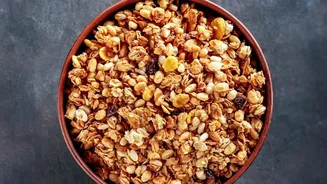







Choose Whole Grains Over White
One of the easiest and most impactful swaps involves the foundation of many comfort classics: grains. Instead of white pasta, white rice, or white bread, opt for their whole-grain counterparts. Whole-wheat pasta, brown rice, and whole-wheat bread contain
more fibre, protein, and essential nutrients that are stripped away during the refining process. This simple switch adds a slightly nuttier flavour and a more satisfying texture to dishes like macaroni and cheese, lasagna, and casseroles. The extra fibre also helps you feel fuller for longer. If you're hesitant to make a full switch, start by mixing half white and half whole-grain pasta or rice.
Lean into Lighter Proteins
Many beloved comfort dishes like shepherd's pie, chili, and bolognese feature ground beef. For a healthier twist, consider swapping it for a leaner protein. Ground turkey or chicken are excellent alternatives that are lower in saturated fat. Because they have a milder flavour, they readily absorb the spices and sauces in your recipe. Another option is to go plant-based. Lentils and mushrooms are fantastic substitutes for ground meat; they provide a hearty texture and can be prepared to absorb all the savoury flavours of the dish. You can also try a half-and-half approach, replacing half the ground meat with lentils or finely chopped mushrooms to reduce fat while maintaining a familiar taste.
Rethink Your Dairy and Fats
Creamy sauces and melted cheese are the heart of many comfort foods, but they can also be major sources of saturated fat. For a more balanced dish, look to some clever dairy swaps. Plain Greek yogurt can be used in place of sour cream on tacos or in dips, offering a similar tang with more protein. In pasta sauces or casseroles that call for heavy cream, you can achieve a similar creamy texture by blending low-fat cottage cheese or even pureed cauliflower. When it comes to cheese, you don't have to eliminate it. Instead, consider using a smaller amount of a strongly flavoured cheese like sharp cheddar or Parmesan, where a little goes a long way. Or, opt for reduced-fat versions of your favourites.
Bulk Up with Vegetables
Adding more vegetables is a guaranteed way to boost the nutritional value of any meal. This trick works wonders for comfort food. You can easily add a cup of broccoli florets or peas to your macaroni and cheese. Finely shredded carrots, zucchini, or spinach can be stirred into pasta sauces, meatloaf, and casseroles with barely a change in taste but a significant increase in vitamins and fibre. For an even stealthier approach, try adding pureed vegetables. A puree of cooked butternut squash or carrots can be mixed into a cheese sauce, adding sweetness, colour, and nutrients without overpowering the dish.
Flavour with Spices, Not Just Salt
Comfort foods are often high in sodium, which can come from processed ingredients, broths, and heavy-handed salting. A great way to make your dishes more balanced is to build flavour with a wider array of seasonings. Instead of relying solely on salt, reach for your spice rack. Smoked paprika, cumin, garlic powder, onion powder, and dried herbs like oregano and thyme can add incredible depth and complexity to your cooking. A dash of tomato paste or a splash of soy sauce can introduce a rich, savoury umami flavour that reduces the need for extra salt. Fresh herbs like parsley, basil, or cilantro added at the end of cooking can also brighten up a dish and provide a burst of fresh flavour.